Bvlgari Fragrance review
Bvlgari Coralia: A Review of the Elusive Floral-Aquatic Masterpiece
Unveiling the Timeless Elegance of Bvlgari's Forgotten Gem
In this review
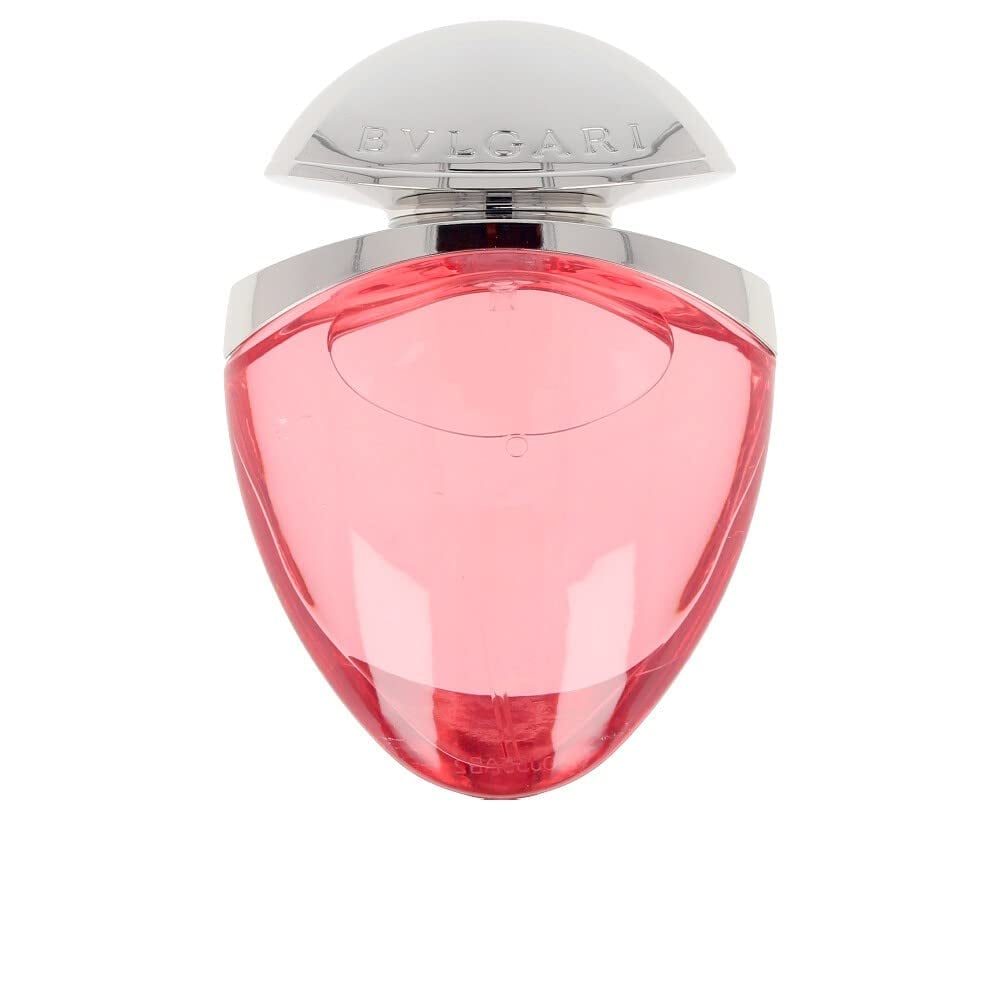
In the annals of perfumery, certain creations achieve legendary status not through ubiquity, but through whispered reverence among connoisseurs. Bvlgari Coralia, a fragrance that emerged from the esteemed Roman jeweler's atelier in the late 1990s, occupies precisely this rarefied space. Launched in 1998, a period marked by the zenith of the aquatic and floral-aldehyde genres, Coralia was Bvlgari's sophisticated riposte to the burgeoning trend of ozonic, marine scents. It arrived as part of a broader strategy to cement the brand's authority beyond jewelry and into the olfactory arts, following the monumental success of fragrances like Eau Parfumée au Thé Vert. Yet, unlike some of its more commercially persistent siblings, Coralia cultivated a reputation as a discerning choice, a scent for those who sought distinction over declaration.
Positioned within Bvlgari's portfolio as a feminine floral-aquatic, Coralia was never intended to be a blockbuster. Instead, it served as a testament to the brand's commitment to quality materials and nuanced composition. In an era where many aquatics leaned heavily into calone-95 for a stark, metallic sea breeze effect, Coralia presented a more complex, rounded interpretation of the marine theme. It wove the idea of water with the opulence of flowers and the warmth of skin, creating a scent that felt both refreshing and intimately luxurious. Its concept was one of refined serenity, evoking not a stormy ocean coast, but the tranquil, sun-dappled surface of the Mediterranean viewed from a private terrace adorned with blooming white florals.
The inspiration for Coralia is deeply embedded in Bvlgari's dual heritage of Roman classicism and modern luxury. The name itself suggests a coral reef, a natural wonder of intricate beauty and vibrant life beneath the sea's surface. The fragrance translates this vision into an olfactory form, capturing the shimmering light through water, the clean salinity of sea air, and the delicate, almost powdery softness of underwater flora. It is a scent that speaks of effortless elegance, of vacations on the Amalfi Coast where the lines between the lush gardens and the azure sea seamlessly blur. This intellectual and sensory concept elevated Coralia beyond a mere seasonal fragrance into a wearable piece of art.
Within the fragrance community, Coralia has maintained a cult-like status, particularly among vintage hunters and lovers of classic designer perfumery. Its discontinuation (or extreme rarity in many markets) has only amplified its mystique. Discussions in forums often describe it with a palpable sense of nostalgia, hailed as a superior, more naturalistic take on the aquatic genre compared to many modern, synthetic-driven counterparts. Its reputation is that of a 'grown-up' aquatic—subtle, sophisticated, and possessing a drydown of remarkable beauty. While it may not have achieved the household name recognition of some contemporaries, its cultural impact lies in its enduring appeal to those who value discretion, complexity, and the quiet confidence of a perfectly composed scent.
The Nose Behind the Scent
The perfumer behind Bvlgari Coralia is the esteemed Sophie Labbé. A master perfumer at IFF (International Flavors & Fragrances), Labbé has crafted a remarkable portfolio known for its elegance, clarity, and emotional resonance. Her other notable creations for Bvlgari include the exquisite Eau Parfumée au Thé Blanc, a masterpiece of musky, tea-infused serenity. Beyond the house, her genius is evident in iconic scents such as Gucci Rush, with its explosive, unconventional floralcy, and the radiant, fruity-chypre Burberry Body. Labbé's signature lies in her ability to balance bold, modern accords with a timeless sense of harmony, a skill perfectly demonstrated in Coralia's aquatic-floral architecture.
Accords
Notes Pyramid
Scent Journey
The opening is a crisp, dewy burst of green citrus and a distinctly refined marine accord. Unlike the harsh, metallic 'seaweed' note found in some aquatics, Coralia's marine facet is soft, ozonic, and reminiscent of clean sea spray carried on a gentle breeze. The bergamot provides a sparkling, slightly bitter top note that prevents the aquatic elements from feeling too sweet or synthetic, while subtle green notes suggest crushed leaves and stems, adding a naturalistic touch.
As the initial aquatic shimmer settles, the heart reveals itself with serene grace. A bouquet of white florals emerges, led by a clean, dewy jasmine and the tender, green-tinged sweetness of lily of the valley. Peony adds a soft, rosy-fruity fullness, while a whisper of rose lends classical depth. This floral core is not indolic or heady; it is transparent, watercolor-like, and perfectly integrated with the lingering marine backdrop, creating the impression of flowers blooming near the water's edge, their scent carried on humid air.
The final phase is where Coralia reveals its true sophistication and wearability. The aquatic and floral notes recede into a soft, skin-hugging veil of creamy sandalwood, clean musk, and dry cedar. A hint of amber provides a subtle, warm glow without becoming gourmand or resinous. The overall effect is profoundly powdery-clean, intimate, and comforting—like the scent of sun-warmed, perfectly laundered linen on skin that has just been kissed by sea air. This musky-woody drydown possesses exceptional longevity and a subtle, elegant sillage.
Performance Dashboard
Lasts a solid 7-9 hours on skin, with the musky-woody drydown persisting even longer on clothing.
Projects modestly for the first 1-2 hours, creating a personal aura of about an arm's length. It is not a room-filling scent, which aligns with its discreet character.
Leaves a gentle, clean trail. It is more likely to be noticed in intimate settings or as someone passes by, rather than announcing its presence from afar.
When to Wear
Pros & Cons
- Exceptionally refined and elegant composition
- Masterful blend of aquatic and floral notes without synthetic harshness
- Perfect for professional and daytime wear due to its discretion
- Beautiful, long-lasting musky-woody drydown
- Cult status and unique character among mainstream aquatics
- Very limited availability, often requiring searches on auction or decant sites
- Projection and sillage are moderate, not for those wanting a bold scent
- The powdery drydown may not appeal to all
- Can be perceived as slightly dated by those accustomed to modern sweet-amber blockbusters
Price & Value
“For aficionados of the genre or collectors of Bvlgari's classics, it is worth seeking out despite the premium. Its quality of composition justifies a higher price point within the discontinued/vintage market.”
Reformulation History
As a fragrance from the late 1990s, it is subject to the typical variations of vintage perfumery. Early formulations are reputed to have a richer, more natural floral heart and a creamier sandalwood base, potentially due to older sourcing of materials like Mysore sandalwood. Later productions before its disappearance may show a slightly brighter, more synthetic-leaning top note. There is no documented major public reformulation, but ingredient compliance changes over two decades would have inevitably caused subtle shifts.
Who It's For
Ideal For
- Women 30+ who appreciate understated elegance
- Individuals with a preference for clean, non-gourmand scents
- Those seeking a sophisticated daytime or office-appropriate fragrance
- Lovers of classic floral and aquatic genres desiring a more nuanced composition
Not Recommended For
- Those seeking extreme sweetness, heavy projection, or club-oriented scents
- Individuals who dislike powdery or clean musky drydowns
- Fans of dense, spicy, or gourmand orientals
Explore More
Similar Fragrances
 L'Eau d'Issey
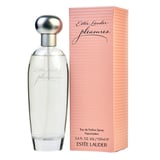 Pleasures
Clone Alternatives
While not an aquatic, it shares the exceptionally clean, musky, and elegant drydown that is office-perfect and similarly discreet.
Offers a budget-friendly, crisp aquatic-melon freshness, though it lacks the floral complexity and luxurious drydown of Coralia.
You May Also Enjoy
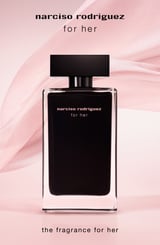 Narciso Rodriguez for Her Eau de Toilette
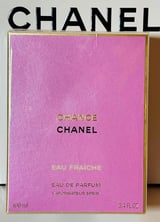 Chance Eau Fraîche
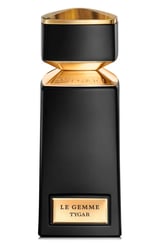 Tygar (Bvlgari le Gemme)
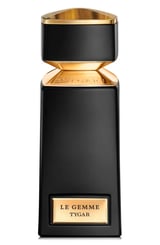 Le Gemme Tygar
 Rose Essentielle Limited Edition
 Omnia Crystalline
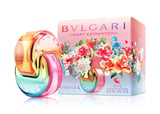 Omnia
Omnia
 Man in Black Sevel
Layering Ideas
- A simple, non-sweet vanilla solinote to warm the drydown
- A sheer amber or cashmeran-based fragrance to enhance depth
- A crisp citrus cologne like Bvlgari Eau Parfumée au Thé Vert for a bracing top-note boost
Final Verdict
Bvlgari Coralia stands as a poignant reminder of an era in perfumery where elegance was often synonymous with restraint and complexity. It is not a fragrance that shouts for attention; rather, it whispers of cultivated taste, of mornings by the sea, and of an inner calm that needs no external validation. To purchase Coralia today is to acquire a piece of olfactory history—a testament to Sophie Labbé's skill and Bvlgari's confident foray into nuanced, wearable art.
One should buy it for its unparalleled ability to feel both refreshing and comforting, a rare duality in the fragrance world. It is the ideal scent for the woman who dresses for herself, who values the subtle details that compose a polished whole. In a market saturated with syrupy sweets and bombastic ambroxan, Coralia offers a sanctuary of clarity and grace. Its discontinued status only adds to its allure, making it a treasured find for the discerning collector and a daily luxury for those fortunate enough to possess it. It is, in essence, the olfactory equivalent of a perfectly cut diamond: timeless, multifaceted, and radiating a quiet, undeniable brilliance.