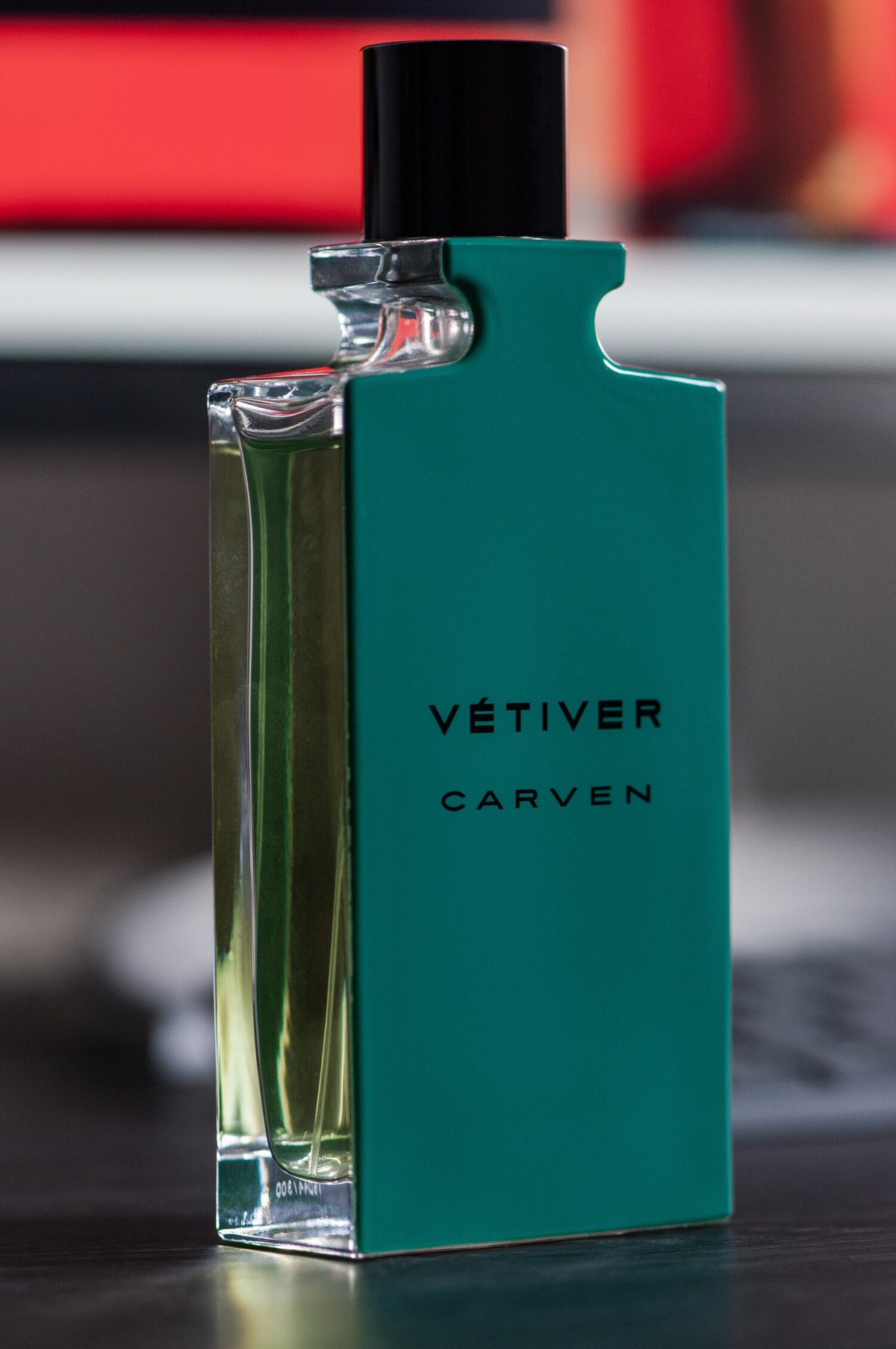
Carven Vétiver
In this review
In the annals of perfumery, 1957 stands as a landmark year, witnessing the birth of seminal fragrances that would define olfactory genres for decades. Among these, Carven Vétiver, composed by the discerning hand of Edouard Hache, emerged not with bombast, but with the quiet confidence of a true classic. Conceived by the house founded by the visionary couturier Carmen de Tommaso (Madame Carven), it was designed for the 'homme actif'—the active, modern man of the post-war era.
This fragrance represents a quintessential French interpretation of vetiver, a material often associated with earthy, smoky, or rustic profiles. Hache’s genius lies in his elevation of the note, framing it within an effervescent citrus corona and a sophisticated, resinous woody-amber base. It is a study in contrast and harmony, where the green, grassy facets of vetiver converse with the brightness of lemon and the warmth of sacred incense.
To analyze Carven Vétiver is to engage with a piece of olfactory heritage. It exists at a crossroads: a bridge between the brisk colognes of the past and the complex aromatic fougères to come. Its composition speaks of a time when ingredients like genuine ambergris, oakmoss, and high-quality sandalwood were employed not as fleeting whispers, but as foundational pillars of a scent’s architecture.
$32-$109
Accords
Citrus
Aromatic
Woody
Spicy
Green
Fresh
Notes Pyramid
Top
LemonBergamotGrapefruitLemongrassPetitgrainMandarin
Heart
VetiverLavenderGeraniumOrange BlossomNutmegClary SageIrisClove
Base
CedarwoodSandalwoodBenzoinAmbergrisMossMuskMyrrhFrankincense
Performance Dashboard
⏱️ Longevity
6-8 hours
📢 Projection
Arm's length for the initial phase, becoming an intimate skin scent in the later stages of development.
💨 Sillage
Moderate. It creates a polite but discernible aura for the first 2-3 hours, settling closer to the skin thereafter.
When to Wear
🌸SpringBest
☀️SummerBest
🍂FallBest
❄️WinterOK
📌 Business Professional📌 Daytime Casual📌 Weekend Outings📌 Intimate Dining
Pros & Cons
- ✅ Masterfully balanced classic composition
- ✅ Superior quality of materials for its price point
- ✅ Exceptional versatility and wearability
- ✅ Intelligent and refined scent profile
- ✅ A piece of accessible perfumery history
- ❌ Performance may be too subtle for some modern tastes
- ❌ The classic structure may feel 'dated' to those seeking novelty
- ❌ Availability can be sporadic in certain markets
Price & Value
$32-$109
“Exceptional Value. This fragrance offers a glimpse into a golden age of composition with materials that, in contemporary perfumery, would command a far higher price. It is arguably one of the finest value propositions in classic masculine perfumery.”
Reformulation History
No significant batch variations reported in the modern EDT production. The core structure has remained remarkably consistent.
Explore More
Similar Fragrances
 Guerlain Vetiver
 Givenchy Gentleman (1974 original)
 Mugler Cologne
 Creed Original Vetiver
Clone Alternatives
Not commonly cloned due to its accessible price point; it is often the reference point for others.
You May Also Enjoy
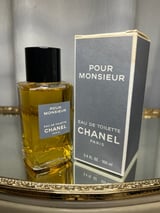 Chanel pour Monsieur
Chanel
Chanel pour Monsieur
Chanel
 Dior Eau Sauvage
dior
Dior Eau Sauvage
dior
Hermès Terre d'Hermès Eau Intense Vetiver
 Frederic Malle Vetiver Extraordinaire
Frederic Malle
Frederic Malle Vetiver Extraordinaire
Frederic Malle
More from Carven
 Ma Griffe
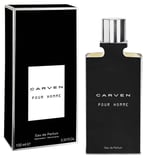 Pour Homme
Layering Ideas
- Layer over an unscented sandalwood balm to amplify the woody base.
- A single spray of a modern amber or vanilla-centric scent on the chest can add a contemporary sweetness to the dry-down.
Final Verdict
Carven Vétiver is not merely a fragrance; it is an olfactory education. Edouard Hache’s 1957 composition remains a peerless example of how to render vetiver with both vibrancy and profound depth. It is a scent that rewards attentive wearing, revealing its layers and wisdom over time. For the connoisseur of classic perfumery or the newcomer seeking a cornerstone scent of integrity, it is an indispensable and profoundly rewarding acquisition.
More fragrances we love
Sponsored picks
Also worth your attention: watches
Sponsored picks



You may also like
ClassicVetiverCitrusAromatic1950sFrench PerfumeryWoodyGreen