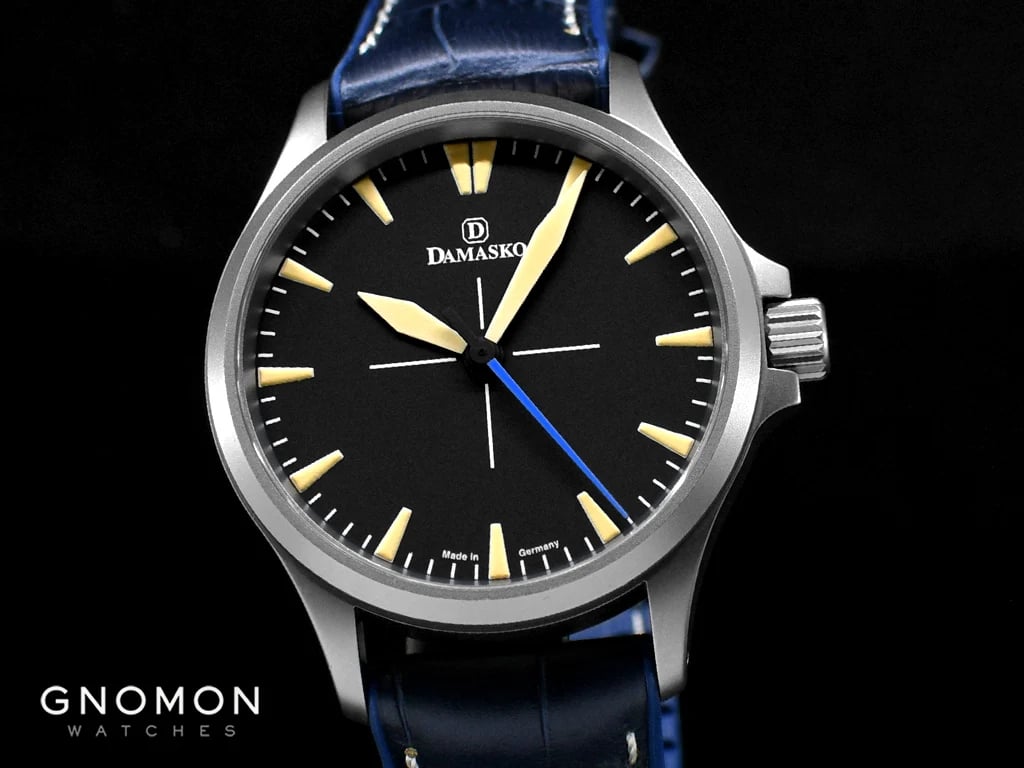
Introduction: The Trust-Fund Tool Watch
Let’s be honest: most of you reading this have a trust fund, a brokerage account, or at least a very generous grandmother. You’re not buying a watch to tell time — you’re buying a story, a flex, and ideally something that won’t lose 40% the moment you walk out of the boutique. The Damasko DK20 is none of those things, and that’s exactly why it deserves your attention.
Damasko doesn’t do marketing campaigns, celebrity ambassadors, or limited-edition hype drops. What they do is engineer the hell out of a watch case, drop an in-house movement inside, and price it like they actually want you to wear it. The DK20 is their dive watch — 200 meters of water resistance, a case hardened to 60 HRC, and a movement regulated in five positions. It’s the anti-Rolex Submariner, and for a certain kind of collector, that’s the whole point.
From a market perspective, the DK20 sits in a weird sweet spot. It’s too obscure for the Instagram flippers, too tool-ish for the dress-watch crowd, and too honest for the hypebeasts. That means it doesn’t spike, but it also doesn’t crater. If you’re looking for a watch that will quietly hold its value while you actually use it, this is one of the few modern pieces that delivers.
Manufacture History: From Aerospace to Wrist
Damasko was founded in 1994 by Konrad Damasko, a former aerospace engineer who started by supplying hardened steel components to the automotive and aviation industries. The brand transitioned into watches in the late 1990s, applying its ice-hardening and submarine steel technologies to cases. The DK20 is part of Damasko’s dive watch line, built on the same in-house movement platform that powers the DK30 and DK32.
What sets Damasko apart is their obsession with case hardening. Most stainless steel watch cases are around 200-300 Vickers hardness. Damasko’s ice-hardened steel reaches 60 HRC (about 700 Vickers), which means it’s nearly impossible to scratch with everyday wear. You can drag it across a concrete wall and it’ll laugh at you. That’s the kind of engineering that appeals to people who actually use their watches, not just pose with them.
Movement: The In-House A26-2
Inside the DK20 beats the A26-2, Damasko’s in-house automatic movement. It’s a 26-jewel caliber running at 28,800 vph with a 42-hour power reserve. The movement features a central rotor, perlage decoration, and regulation in five positions. It’s not COSC-certified, but Damasko claims accuracy within +/- 5 seconds per day out of the box.
For a brand at this price point, having an in-house movement is a flex. Most competitors in the $2,000-$3,000 range use off-the-shelf ETA or Sellita movements. The A26-2 isn’t just a rebadged ETA — it’s designed and manufactured by Damasko, which means service parts are proprietary but also means you’re getting something genuinely different. The date complication is a simple quickset at 3 o’clock, and the crown action is firm and precise.
Specifications at a Glance
| Spec | Value |
|---|---|
| Case Diameter | 40mm |
| Case Thickness | 12.5mm |
| Lug-to-Lug | 48mm |
| Case Material | Ice-hardened stainless steel |
| Crystal | Sapphire, AR-coated |
| Water Resistance | 200m |
| Lume | Super-LumiNova X1 |
| Strap | Rubber (pin buckle) or steel bracelet |
Wrist Feel: Built for Action, Not for Show
On the wrist, the DK20 wears exactly like a 40mm tool watch should: present but not obnoxious. The ice-hardened case has a slightly matte, almost ceramic-like feel that resists fingerprints and scratches. At 12.5mm thick, it slides under a shirt cuff if you’re wearing a dress shirt, but it’s clearly built for a wetsuit or a weekend in the Hamptons.
The rubber strap is soft and pliable, with a simple pin buckle that won’t dig into your wrist. Weight is moderate — around 150 grams on the rubber — so it feels substantial without being a brick. Balance is excellent; the caseback is flat and the lugs curve downward, so there’s no wobble. If you’re used to a Submariner, the DK20 feels slightly lighter and more compact, which is a good thing.
Accuracy: What to Expect Day to Day
Real-world accuracy on the A26-2 is typically between +2 and +6 seconds per day, depending on position and wear pattern. Damasko regulates each movement in five positions before it leaves the factory, so you’re not getting a raw ETA or Sellita. Expect it to run slightly fast when fully wound and settle down after a day of wear. For a non-COSC movement, it’s impressively consistent.
Occasions and Wrist Presence
The DK20 is a daily wearer, a sports watch, and a travel companion. It’s not a dress watch, but it won’t look out of place with a blazer if you’re at a casual dinner. Wrist presence is a 4 out of 5 — it has a quiet confidence. The matte black dial, chunky bezel, and hardened steel case give it a purposeful look that watch nerds will clock from across the room. It’s not a dinner-party flex, but it’s perfect for a day on the boat or a casual office where people actually know watches.
Reference Variants and Family
The DK20 comes in two main configurations: the base model on a rubber strap (ref. DK20) and the same watch on Damasko’s hardened steel bracelet (ref. DK20/BR). The bracelet adds about $300 to the price and includes a deployant clasp. Both have a black dial with date at 3 o’clock.
Within the Damasko family, the DK20 sits alongside the DK30, DK32, and DK36 — all sharing the same case architecture and movement platform but with different dial colors, bezel styles, or complications. Other notable Damasko models include the DA36 pilot watch, the DA46 chronograph, the DC56, and the DS30 field watch.
Similar Watches and Homages
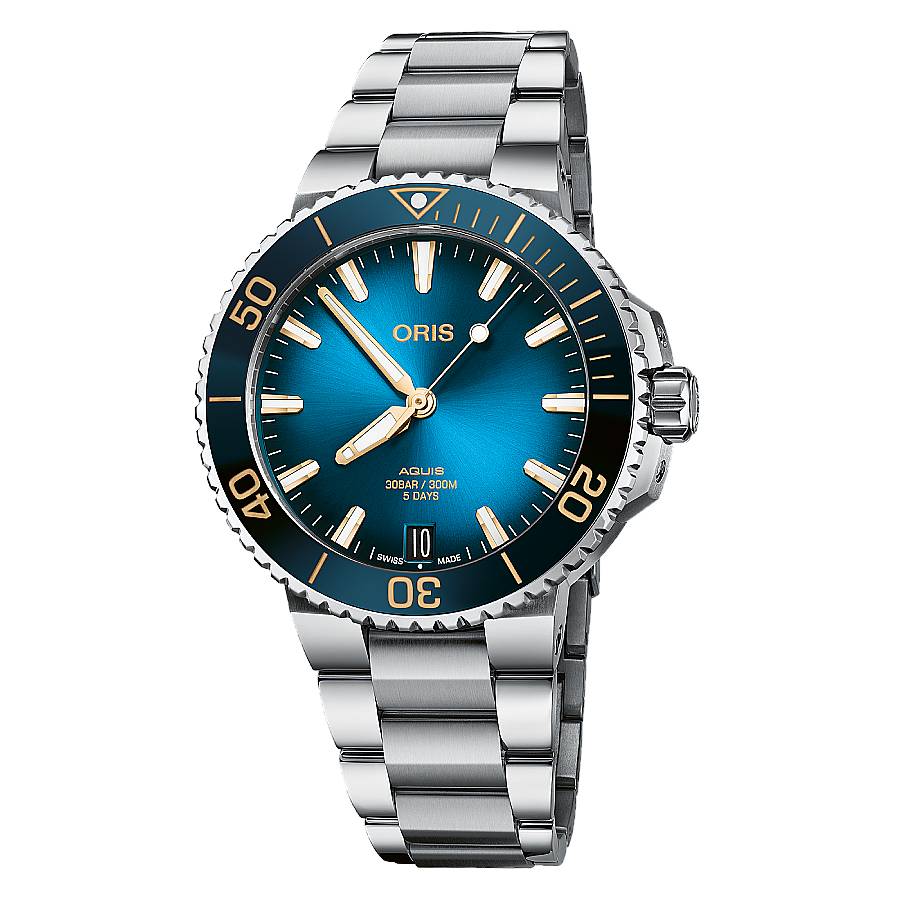
If you’re cross-shopping, the Sinn U50 is the closest competitor — another German tool watch with submarine steel and a similar no-nonsense dive aesthetic, but it uses a Sellita movement. The Tudor Black Bay 58 is the obvious luxury alternative with an in-house movement and vintage vibes, but it’s double the price and far more common on the secondary market. The Oris Aquis Date is a solid Swiss dive watch, but it lacks the hardened case and in-house movement of the Damasko.
On the homage side, you’ll find plenty of budget options like the Steinhart Ocean One 39 ($500) or the San Martin SN004-G ($250), but these are standard 316L steel with off-the-shelf movements. They’re fine for what they are, but they’re not in the same league as Damasko’s engineering.
Investment Value: Hold, Don’t Flip
The Damasko DK20 has an MSRP of $2,450 on rubber and $2,750 on bracelet. Pre-owned examples typically trade between $1,800 and $2,200, depending on condition and completeness. The trend is stable — no hype, no crash. Damasko doesn’t do limited editions or artificial scarcity, so you won’t see a 2x flip. But it also doesn’t depreciate like a mainstream luxury watch. Hold it, wear it, and sell it in five years for maybe 80% of what you paid — that’s a win in this market.
There’s no major auction history for the DK20, which is actually a good thing. It means the market isn’t being manipulated by speculators. This is a watch you buy because you want to wear it, not because you think it’ll make you rich.
Service and Maintenance
Damasko recommends a service every 5 years, with an approximate cost of $300. Service is available through authorized dealers or directly from Germany. Independent watchmakers can handle basic regulation, but parts for the in-house movement may be restricted, so it’s best to stick with Damasko or a certified watchmaker who has access to their parts network.
Pros and Cons
Pros:
- In-house movement with real regulation
- Ice-hardened case is nearly scratch-proof
- 200m water resistance with screw-down crown
- No hype, no waiting list, no AD games
Cons:
- Limited brand recognition outside watch nerd circles
- No date complication on some variants (if you care)
- Strap options are utilitarian, not luxurious
- Resale is stable but not exciting
Final Verdict
The Damasko DK20 is the anti-hype watch. It won’t moon, but it won’t crater. If you want a dive watch that says “I know what I’m doing” without screaming, this is it. Buy it, wear it, and forget about flipping — your trust fund will thank you.