Dior Dune Esprit de
In this review
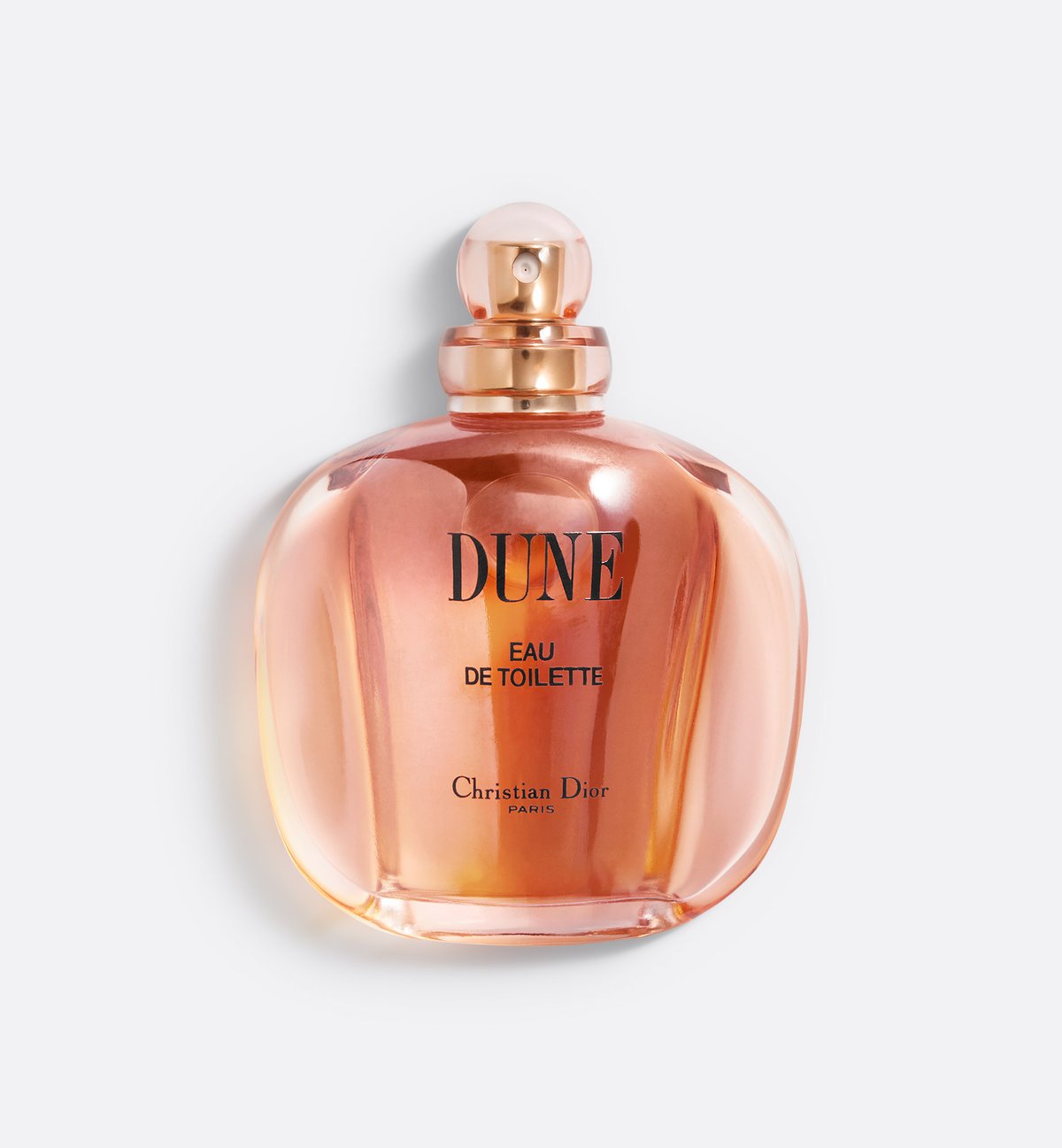
In the grand tapestry of perfumery, certain creations transcend their time to become olfactory monuments. They are not merely scents but temporal markers, capturing the zeitgeist of an era in a bottle. Christian Dior's Dune, particularly in its rare and coveted Esprit de Parfum concentration, is one such monument. Launched in 1991, it emerged as a quiet yet profound statement against the preceding decade's olfactory opulence. Where the 1980s shouted with bombastic florals and syrupy orientals, Dune whispered of windswept landscapes, sun-warmed skin, and a serene, almost philosophical, connection to nature. It was, and remains, a fragrance of profound emotional depth.
Positioned within the esteemed Dior portfolio, Dune was a conceptual departure. It was not a scent of Parisian glamour or overt seduction, like its predecessors Poison or Miss Dior. Instead, it was marketed as a fragrance of harmony, an escape to a place where the sky meets the sea across an endless expanse of sand. This was a novel approach, appealing to a new consumer sensibility that valued introspection and authenticity over ostentation. The Esprit de Parfum, a richer and more tenacious iteration of the original Eau de Toilette, amplified this vision, offering a deeper, more enveloping experience of Dune's unique olfactory world. It was less a flanker and more the apotheosis of the original concept.
The inspiration behind Dune is one of sublime tranquility and elemental beauty. It is the scent of a paradoxical landscape: a warm, arid desert dune meeting a cool, briny ocean breeze. This is not a tropical beach fantasy; it is a more contemplative, almost melancholic vista. The concept was to create a scent that felt both expansive and intimate, a personal sanctuary for the wearer. The fragrance achieves this through a masterful blend of dry woods, luminous florals, and a revolutionary, slightly bitter, ambery base that mimics the scent of sun-heated stones and salty air. It is a scent that does not demand attention but rather invites one to draw closer.
Within the fragrance community, Dune Esprit de Parfum holds a hallowed status. For connoisseurs, it represents a pinnacle of perfumery from the late 20th century, a complex and challenging composition that rewards patient appreciation. It is often described as a 'psychological' or 'intellectual' fragrance, one that evokes a mood rather than a specific set of notes. Its discontinuation has only amplified its legend, transforming remaining bottles into treasured artifacts. To experience the vintage Esprit de Parfum today is to connect with a masterpiece of olfactory art, a scent that continues to resonate with its timeless message of peace and elemental harmony.
The Nose Behind the Scent
Dune was created by a formidable trio of perfumers: Jean-Louis Sieuzac (creator of YSL Opium), Nejla Barbir, and the celebrated master perfumer Dominique Ropion (Frédéric Malle Portrait of a Lady, Lancôme La Vie Est Belle).
Accords
Notes Pyramid
Scent Journey
A diffuse, hazy light of aldehydes and bergamot, grounded by the immediate presence of dry rosewood. It is bright but not sharp, suggesting a cool morning mist over a warm landscape.
An abstract, non-sweet floral heart emerges, dominated by a stark lily and a uniquely bitter, peppery wallflower note. This phase is melancholic, windswept, and profoundly beautiful.
The legendary base of warm, dry, slightly salty amber and creamy sandalwood unfolds. It creates a powerful and enduring impression of sun-heated sand and skin, with earthy oakmoss adding depth.
Performance Dashboard
Exceptional longevity, lasting a full 10-12 hours on skin and for days on clothing. The Esprit de Parfum concentration is truly tenacious.
Projects elegantly for the first 3-4 hours, creating a noticeable but not intrusive aura of about arm's length. It settles into a more personal scent bubble afterwards.
Leaves a distinct and memorable trail that is airy yet substantive. It is a scent that lingers beautifully in a room, drawing intrigue.
When to Wear
Pros & Cons
- ✅ A truly unique and artistic olfactory concept
- ✅ Exceptional performance in the Esprit de Parfum concentration
- ✅ Timeless and sophisticated character
- ✅ Evokes a powerful sense of calm and serenity
- ✅ A masterpiece of 20th-century perfumery
- ❌ Discontinued and increasingly difficult to find
- ❌ Vintage bottles command very high prices
- ❌ The melancholic, abstract profile can be challenging for some
- ❌ Not a mass-appealing or 'easy-to-wear' scent
Price & Value
“For a fragrance connoisseur or a devoted admirer of the scent, the price is a justifiable investment to own a piece of olfactory art in its most perfect form.”
Reformulation History
Significant differences exist between the vintage formulations (pre-2000s) and the modern Eau de Toilette. The vintage Esprit de Parfum is richer, deeper, and contains real oakmoss, giving it a characteristic earthy depth and complexity that is noticeably diminished in current versions due to IFRA restrictions.
Accords
Notes Pyramid
Scent Journey
A diffuse, hazy light of aldehydes and bergamot emerges, immediately grounded by the dry presence of rosewood. It is bright yet not sharp, evoking a cool morning mist over a warm landscape.
An abstract, non-sweet floral heart unfolds, dominated by a stark lily note and a uniquely bitter, peppery wallflower, further enriched by the inclusion of gorse. This phase is often described as melancholic, windswept, and profoundly beautiful.
The legendary base of warm, dry, slightly salty amber and creamy sandalwood develops, creating a powerful and enduring impression of sun-heated sand and skin, with earthy moss (oakmoss) and patchouli adding profound depth and complexity.
Performance Dashboard
Exceptional longevity, typically lasting a full 10-12 hours on skin and for days on clothing, indicative of its higher concentration.
Projects elegantly for the first 3-4 hours, creating a noticeable yet not intrusive aura of about arm's length, before settling closer to the skin.
Leaves a distinct and memorable trail that is airy yet substantive, lingering beautifully in a room and drawing intrigue.
When to Wear
Pros & Cons
- ✅ Richer and deeper olfactory profile compared to the Eau de Toilette.
- ✅ Superior longevity and projection.
- ✅ More complex and enveloping scent journey.
- ✅ Holds a hallowed status among collectors and enthusiasts.
- ❌ Significantly higher price due to its vintage and discontinued status.
- ❌ Less versatile for warm weather due to its inherent richness and density.
- ❌ Can be challenging to acquire in pristine condition.
Price & Value
“The higher price for vintage bottles is justified by its superior depth, longevity, and rarity, making it a valuable acquisition for connoisseurs.”
Reformulation History
Significant differences exist between the vintage Esprit de Parfum formulations (pre-2000s) and later concentrations. The vintage Esprit de Parfum is notably richer, deeper, and contains genuine oakmoss, contributing to a characteristic earthy depth and complexity that is often diminished in more modern iterations due to evolving IFRA restrictions.
Accords
Notes Pyramid
Scent Journey
The initial impression of the Esprit de Parfum presents a diffuse, hazy luminosity of aldehydes and bergamot, immediately grounded by the profound presence of dry rosewood. This opening is bright yet devoid of sharpness, evoking the serene image of a cool morning mist settling upon a sun-warmed landscape.
As the fragrance evolves, an abstract and non-sweet floral heart gracefully emerges, prominently featuring a stark lily alongside a uniquely bitter, subtly peppery wallflower note. This phase resonates with a melancholic, windswept beauty, offering a profoundly contemplative experience.
The enduring drydown unveils the legendary base of warm, dry, and subtly salty amber, complemented by creamy sandalwood. This creates a powerful and lasting impression of sun-heated sand and skin, with the addition of earthy oakmoss imparting a remarkable depth and gravitas.
Performance Dashboard
Exemplary longevity, often lasting upwards of 10-12 hours on the skin, a significant enhancement over the Eau de Toilette.
Possesses a strong, discernible projection for the initial 4-5 hours, commanding attention without overwhelming the senses.
Leaves a heavy, elegant trail that is consistently noticeable, affirming its luxurious concentration.
When to Wear
Pros & Cons
- ✅ A richer, more profound olfactory narrative
- ✅ Exceptional longevity and sillage
- ✅ Enhanced complexity and depth of notes
- ✅ Superior projection befitting a true Parfum
- ❌ Significantly higher acquisition cost due to its vintage and rare status
- ❌ Its intensity may render it less versatile for casual daytime wear
- ❌ Can be perceived as weighty by those accustomed to lighter concentrations
Price & Value
“The elevated price is unequivocally justified by its historical significance, superior concentration, and unparalleled olfactory depth, making it a worthy acquisition for the discerning connoisseur.”
Reformulation History
Dior Dune Esprit de Parfum, launched in 1994, represents a specific vintage concentration and is largely considered discontinued. Any variations would pertain to its original production period rather than subsequent reformulations typical of actively produced lines; it is a monument to its original formulation.
Who It's For
Ideal For
- Individuals aged 30+
- Those with an appreciation for artistic, abstract, and complex perfumery
- Introspective, confident personalities who prefer understated elegance
- Collectors of vintage fragrance masterpieces
Not Recommended For
- Admirers of sweet gourmand or simple fruity-floral scents
- Younger consumers seeking a trendy or 'clubbing' fragrance
- Those who dislike aldehydes or powdery, earthy notes
The Family
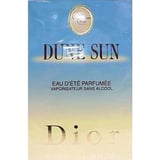 Dune Sun
 Dune pour Homme
Explore More
Similar Fragrances
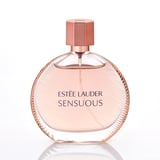 Sensuous
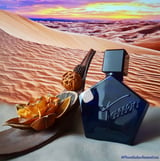 L'Air du Desert Marocain
Clone Alternatives
While not a direct clone, some users find its ozonic and earthy qualities evoke a similar 'wet sand' accord.
You May Also Enjoy
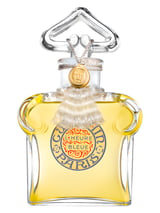 L'Heure Bleue
 No. 19 Eau de Parfum
 Un Jardin sur la Lagune
 Oud Ispahan Esprit de Parfum Extrait
 J'adore Intense
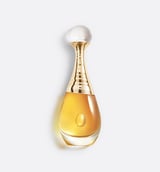 J'adore l'Or
 Homme (2011 onwards)
 Miss Dior (Original Vintage Formulations)
 Miss Dior (Original 1947)
Layering Ideas
- A single drop of pure, high-quality Sandalwood essential oil to amplify the creamy woody base.
- A very light, non-sweet vanilla fragrance like Guerlain's Spiritueuse Double Vanille to add a touch of warmth in cooler weather.
- A minimalist musk scent, such as Molecule 01, to enhance its airy, skin-like quality.
Final Verdict
Dior Dune Esprit de Parfum is a masterpiece of olfactory art, a transportive creation that captures a feeling of serene solitude. It represents a pivotal moment in fragrance history, demonstrating that a scent could be profoundly emotional and intellectually stimulating without being conventional. Its beauty is not overt but rather a quiet, profound elegance that rewards the wearer with a sense of peace and groundedness. For the serious collector, it is an essential acquisition; for the fragrance enthusiast, it is an experience that should not be missed. In a world of fleeting trends, Dune remains a timeless whisper of elemental beauty.