Dior Poison Esprit de
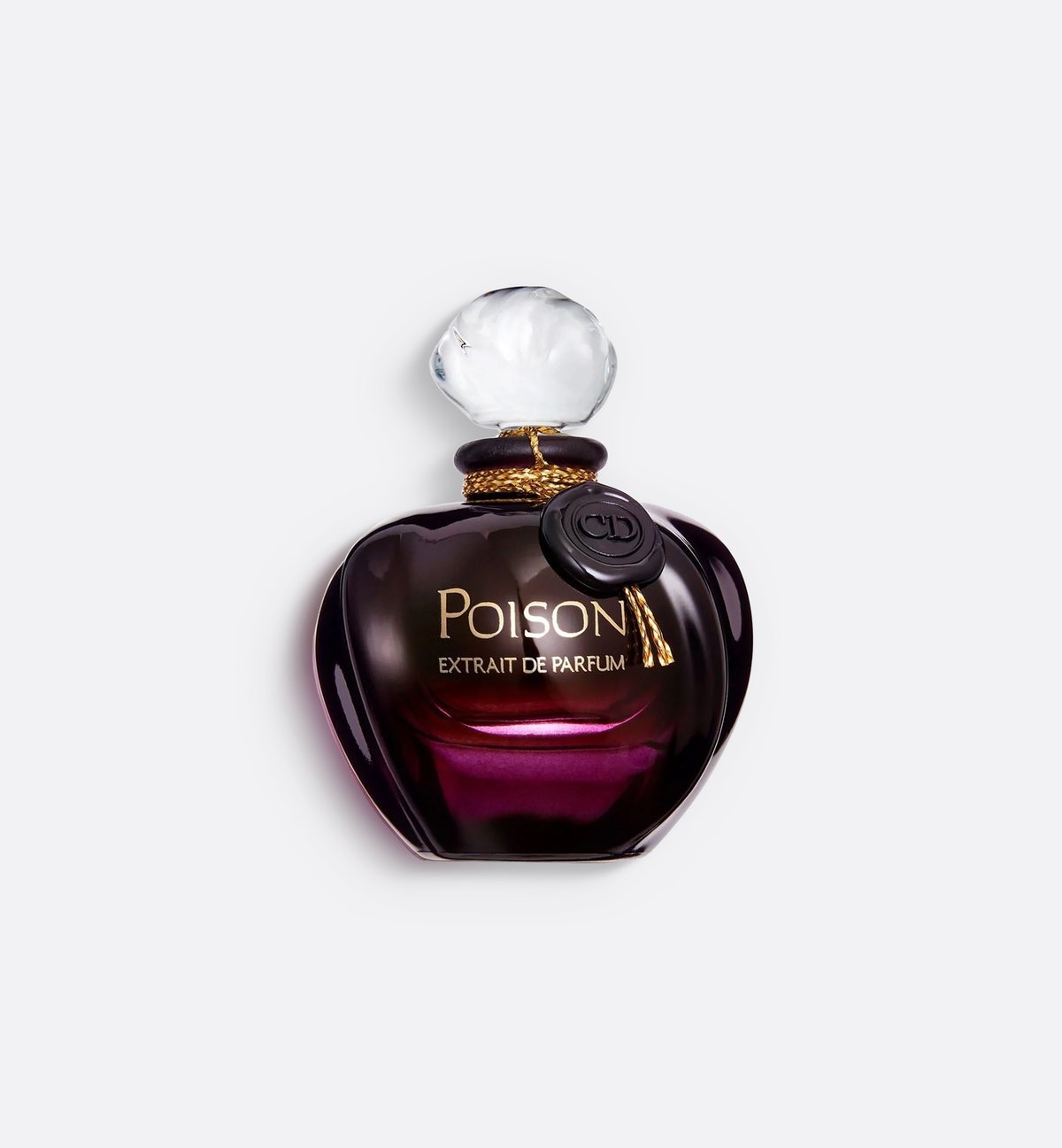
In this review
Some fragrances are merely scents; they are pleasantries, accessories we spritz on without a second thought. And then there are fragrances that are events. They are characters in the story of our lives, worn like armor or a silken veil, capable of announcing our presence before we even speak. Dior’s legendary Poison, particularly in its rare and coveted Esprit de Parfum concentration, belongs firmly, and ferociously, to the latter category. This is not a perfume you simply wear. It is a perfume you become.
To understand Poison, you must transport yourself back to its birth year, 1985. The world was loud. Shoulders were big, hair was bigger, and ambition was electric. The quiet, apologetic fragrances of the 70s were swept away by a tidal wave of olfactory opulence. This was the era of the powerhouse, and at the crest of that wave was Poison. It wasn't just a fragrance; it was a cultural phenomenon, a beautiful monster that was so popular, so potent, that some restaurants famously banned it. It was, and remains, the ultimate olfactory statement of defiance and seduction.
Created by the house of Dior, Poison was designed to be a paradox: a forbidden fruit that was utterly irresistible. Its name alone was a stroke of marketing genius—provocative, dangerous, and unforgettable. It promised a dark fairytale, a dip into the unknown. The Esprit de Parfum concentration, a richer and deeper interpretation than the original Eau de Toilette, is the closest one can get to the perfumer's original, untamed vision. It is the heart of the beast, a concentrated elixir of dark plum, intoxicating tuberose, and smoky incense that smolders on the skin for an eternity.
In the fragrance community, Poison Esprit de Parfum is whispered about with a reverence reserved for holy grails. It is a benchmark, a rite of passage. To smell it is to understand the soul of 80s perfumery and the audacity of a house at the peak of its creative powers. It is not a scent for everyone—and that is precisely its power. It chooses its wearer, demanding confidence, magnetism, and a touch of mystery. Today, we'll delve into the magic and myth of this iconic creation, exploring the potion that continues to bewitch and beguile decades after its debut.
The Nose Behind the Scent
Edouard Fléchier, a master perfumer from the prestigious Roure Bertrand Dupont school. He is renowned for his bold, complex, and structured compositions, including other iconic scents like Frédéric Malle's Une Rose and Lys Mediterranee.
Accords
Notes Pyramid
Scent Journey
An explosive, unapologetic blast of syrupy, spicy plum and dark berries. It's a deep, intoxicating 'purple' scent that is both sweet and dangerously sharp, immediately setting a dramatic and mysterious tone.
The fragrance transitions into its legendary heart, where a narcotic, honey-drizzled tuberose takes center stage. This isn't a fresh floral; it's a diva wrapped in smoky incense and warm spices, creating a hypnotic, complex, and deeply sensual aura.
After many hours, the scent melts into a warm, resinous embers on the skin. A rich blend of amber, vanilla, sandalwood, and musk creates a smoldering, powdery, and intimate finish that lasts for an eternity. It's the ghost of the initial storm, hauntingly beautiful.
Performance Dashboard
Eternal. Lasts 12-15+ hours on skin and weeks on fabric. This is a true vintage powerhouse performance.
Enormous. Fills a room with just one or two sprays for the first several hours before settling into a strong scent bubble.
Majestic. Leaves a thick, intoxicating, and completely unforgettable trail that hangs in the air long after you've left.
When to Wear
Pros & Cons
- ✅ An iconic, unforgettable, and masterfully complex scent profile
- ✅ Absolutely monstrous performance in longevity, projection, and sillage
- ✅ A true piece of perfume history and a collector's dream
- ✅ Deeply sensual, mysterious, and empowering to wear
- ❌ Discontinued and extremely difficult to find, often at high collector's prices
- ❌ Can be overwhelmingly strong if not applied with extreme care (one spray is enough)
- ❌ Highly polarizing and may be considered 'dated' by modern noses
- ❌ Absolutely not a safe blind buy
Price & Value
“For a true connoisseur or a lover of this specific scent, it is a priceless artifact. The cost is for its rarity and historical significance as much as for the juice itself.”
Reformulation History
Significant variations exist. The earliest versions in the green-lettered 'Christian Dior' box (pre-1990s) are considered the holy grail, often perceived as deeper, richer, and with more prominent incense and animalic notes than the later versions in the 'Dior' box after LVMH's acquisition.
Accords
Notes Pyramid
Scent Journey
The initial embrace is a rich, opulent burst of dark, juicy plums and wild berries, sweetened by a touch of orange blossom and honey, with a mysterious whisper of anise and coriander. It’s a captivating overture, setting the stage for the drama to unfold.
As the heart emerges, the legendary tuberose takes center stage, creamy and intoxicating, wrapped in a smoky veil of incense and opoponax. Warm cinnamon and spicy carnation weave through, while a deep, honeyed sweetness and a bouquet of jasmine and rose de Mai add layers of hypnotic allure. This phase is where Poison truly lives up to its name – dangerously seductive.
The drydown is a lingering, velvety caress, settling into a profound warmth. Rich vanilla and ambergris create an enveloping sweetness, grounded by creamy sandalwood, earthy vetiver, and a hint of musk. Heliotrope adds a powdery, almond-like softness, leaving an unforgettable, almost spiritual trail that endures for hours, a testament to its extrait concentration.
Performance Dashboard
Lasts 12+ hours, often detectable even after a shower. Truly eternal.
A powerful, commanding presence for the first 4-6 hours, then settles into a luxurious, noticeable bubble.
Leaves an exquisite, memorable trail that fills a room, a true sillage monster in the best possible way.
When to Wear
Pros & Cons
- ✅ Incredibly rich and deep scent profile
- ✅ Exceptional, legendary longevity and sillage
- ✅ Unmatched complexity and emotional depth
- ✅ A true statement fragrance, embodying vintage glamour
- ✅ A collector's treasure
- ❌ Very high price, especially for vintage bottles
- ❌ Can be overwhelming if oversprayed
- ❌ Less versatile for casual wear
- ❌ Potentially difficult to find original vintage formulations
Price & Value
“A significant investment, but for true connoisseurs, the unparalleled depth and performance of this vintage concentration are absolutely worth it.”
Reformulation History
This specific concentration, known as Esprit de Parfum, was released in 1985 and is considered the original, pre-reformulation vintage. Later reformulations primarily affected the Eau de Toilette and Eau de Parfum concentrations, making this Esprit de Parfum highly sought after for its authentic, powerful character.
Who It's For
Ideal For
- Confident individuals (30+) with a love for bold, complex, vintage-style fragrances
- Those with a flair for the dramatic and a strong sense of personal style
- Serious perfume collectors and connoisseurs.
Not Recommended For
- The faint of heart
- Lovers of light, fresh, or clean scents
- Wearing in conservative office settings, enclosed spaces, or hot weather.
The Family
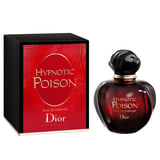 Hypnotic Poison
 Pure Poison
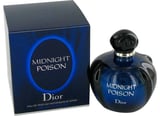 Midnight Poison
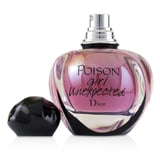 Poison Girl
Explore More
Similar Fragrances
Shares a similar 80s powerhouse DNA with plum, tuberose, and incense, though Loulou is sweeter and more powdery.
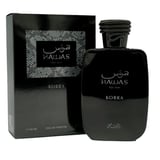 Cobra
Rasasi
Cobra
Rasasi
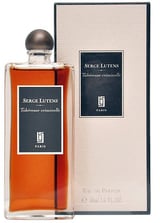 Tubereuse Criminelle
Serge Lutens
Tubereuse Criminelle
Serge Lutens
Clone Alternatives
Often cited as a high-quality oil impression that captures the deep, fruity-spicy essence of vintage Poison.
A popular UK-based clone house alternative that users praise for its similarity to the original's vibe.
You May Also Enjoy
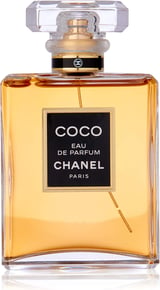 Coco Eau de Parfum
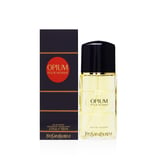 Opium (1977)
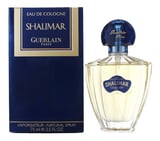 Shalimar
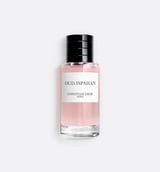 Oud Ispahan Esprit de Parfum Extrait
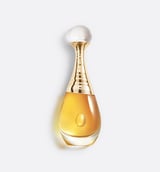 J'adore Intense
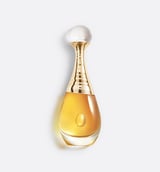 J'adore l'Or
 Homme (2011 onwards)
 Miss Dior (Original Vintage Formulations)
 Miss Dior (Original 1947)
Layering Ideas
- A single-note sandalwood oil: Apply a small amount to the skin before spraying Poison to enhance its woody, creamy base and add even more depth.
- A dark vanilla fragrance (like Guerlain's Spiritueuse Double Vanille): Use sparingly on a different pulse point to amplify the vanilla in the drydown, creating an even more decadent experience.
- Caution is advised: This fragrance is a complete symphony on its own. Layering is for the bold and should be done with a very light hand.
Final Verdict
In a world of fleeting trends and mass-marketed pleasantries, Dior Poison Esprit de Parfum stands as a monument to a time when perfumery was an art form of bold expression. It is more than a fragrance; it is a time capsule, a statement, and a transformative experience. Finding a vintage bottle is a quest, and the price reflects its rarity, but for the true fragrance aficionado, it is a priceless treasure. To own it is to own a piece of history. To wear it is to command a room and create a memory. If you are a soul who thrives on drama, who finds beauty in the shadows, and who believes a perfume should be as unforgettable as the person wearing it, then the hunt for this dark, magical elixir is one you must embark on. It is, and always will be, devastatingly beautiful.
More fragrances we love
Sponsored picks
Ready to experience Dior Poison Esprit de?
Buy on AmazonAs an Amazon Associate, Vivir earns from qualifying purchases.