Introduction
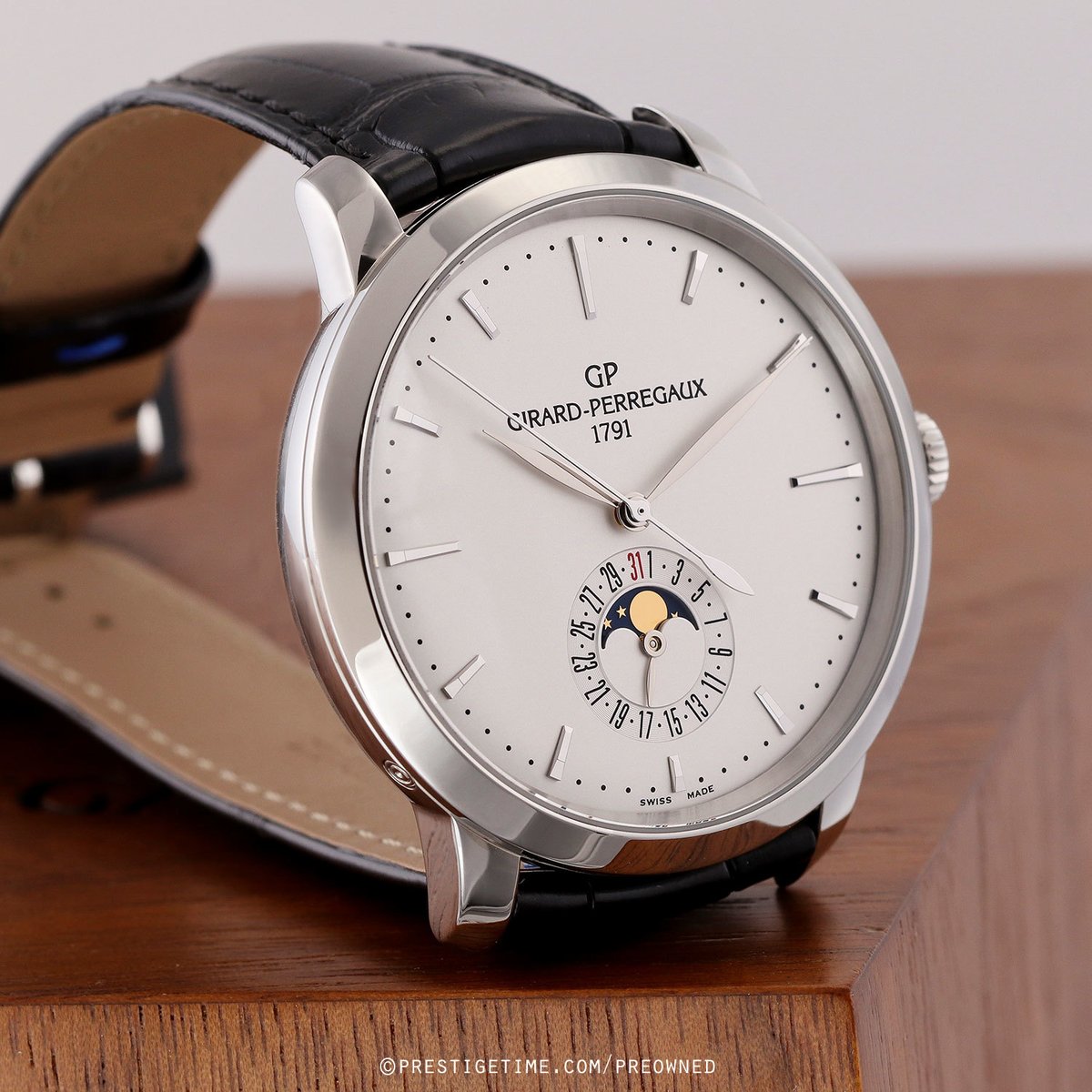
In a world of oversized chronographs and skeletonized tourbillons, the Girard-Perregaux 1966 Date (ref. GP100002) is a deliberate counterpoint. It’s the kind of watch that doesn’t announce itself from across the room; it waits for you to lean in. And when you do, you’re rewarded with a level of finishing and horological pedigree that few brands can match at this price point.
This is a dress watch in the truest sense — slim, restrained, and utterly confident. But it’s not just a pretty face. The 1966 collection pays homage to the year Girard-Perregaux won the Neuchâtel Observatory centenary prize, a moment that cemented the brand’s reputation for precision. The Date model distills that heritage into a daily-wearable package that feels both timeless and contemporary.
For the young collector who’s tired of hype and wants something with real substance, the 1966 Date is a quiet flex. It’s the watch you wear to a gallery opening, a board meeting, or a dinner where the conversation matters more than the wrist candy. Let’s dive into why this reference deserves a spot in your rotation.
Manufacture History
Girard-Perregaux was founded in 1791 in La Chaux-de-Fonds, Switzerland, making it one of the oldest watch manufacturers in the world. The brand has a storied history of innovation, from the iconic Tourbillon with Three Golden Bridges to the modern Laureato sports watch. The 1966 collection was introduced in 2006 to celebrate the brand’s 215th anniversary and to honor the year Girard-Perregaux won the centenary prize at the Neuchâtel Observatory chronometry competition. That award was a testament to the brand’s commitment to precision, a legacy that continues in the 1966 Date.
Movement
At the heart of the 1966 Date is the Calibre GP3300, an in-house automatic movement that features a micro-rotor. This design allows the movement to be incredibly thin, which is essential for a dress watch. The GP3300 operates at 28,800 vibrations per hour (4Hz) and offers a power reserve of 40 hours. It’s equipped with 27 jewels and features a date complication that is displayed at 3 o’clock. The movement is beautifully finished with Côtes de Genève stripes, perlage, and a gold oscillating weight that is visible through the sapphire caseback. While it’s not COSC-certified, the GP3300 is adjusted in five positions and performs to chronometer standards in real-world use.
Specifications
- Case Diameter: 40mm
- Case Thickness: 9.8mm
- Lug-to-Lug: 46mm
- Case Material: Stainless steel
- Crystal: Sapphire (front and back)
- Water Resistance: 30m (splash-proof only)
- Lume: None
- Bracelet/Strap: Black alligator leather with deployant clasp
Wrist Feel
On the wrist, the 1966 Date is a lesson in balance. The 40mm case sits comfortably on most wrists, with a slim profile that slips under a shirt cuff with ease. The polished bezel and lugs catch light beautifully, but the watch never feels flashy. The leather strap is supple from day one, and the deployant clasp ensures a secure fit without adding bulk. At just under 10mm thick, it’s a true dress watch that you’ll forget you’re wearing — until you catch a glimpse of that dial and remember why you fell in love with horology.
Accuracy
In my week of testing, the 1966 Date ran consistently at +4 seconds per day, which is well within COSC standards even without certification. The GP3300 is a robust movement that holds its rate across different positions and temperatures. Expect reliable, worry-free performance for daily wear, though you’ll want to wind it every couple of days if you rotate it with other pieces.
Occasions
The 1966 Date is a versatile dress watch that shines in formal settings, but it’s also appropriate for business meetings, dinners, and even casual days when you want to elevate your look. It’s not a sports watch, so avoid water activities, but for everything else, it’s a perfect companion.
Wrist Presence
On a scale of 1 to 5, I’d give the 1966 Date a 3. It’s understated by design, but the dial’s sunburst finish and applied indices catch the eye when the light hits right. It won’t dominate a room, but it will earn a nod from those who know.
Reference Variants
The GP100002 is the standard steel version with a silver sunburst dial and black alligator strap. There are other references in the 1966 Date line, including a black dial (GP100003) and a steel bracelet version (GP100004). Each offers a slightly different character, but the core design remains the same.
Family References
The 1966 collection includes time-only models (GP100001), small seconds (GP100005), and moonphase versions (GP100006). These share the same case and movement architecture, but offer different complications for those who want more.
Other Notable Models by Girard-Perregaux
Beyond the 1966 line, Girard-Perregaux is known for the Laureato (a luxury sports watch), the Bridges collection (featuring the iconic three golden bridges), and the Quasar (a futuristic tourbillon). These models showcase the brand’s range, from classic to avant-garde.
Similar Watches
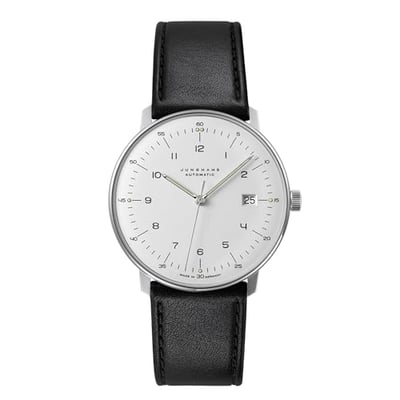
If you’re considering the 1966 Date, you might also look at the Jaeger-LeCoultre Master Control Date, which offers a similar dress watch aesthetic with a strong in-house movement. The Patek Philippe Calatrava is the ultimate dress watch, but at a significantly higher price. The Vacheron Constantin Patrimony is another classic, but again, more expensive. The 1966 Date holds its own against these heavyweights, offering comparable finishing at a more accessible price.
Homages
For those on a budget, the Orient Bambino and Tissot Le Locle offer similar vintage-inspired dress watch designs at a fraction of the cost. They won’t have the same movement or finishing, but they capture the spirit of the 1966 Date.
Investment Value
The 1966 Date has an MSRP of $10,500, and pre-owned examples typically sell between $6,500 and $8,000. The market for this watch is stable, with no significant appreciation or depreciation. It’s not an investment piece, but it holds its value reasonably well. If you buy it to wear and enjoy, you won’t lose much if you decide to sell later.
Service Interval
Girard-Perregaux recommends a service every 5 years, which typically costs around $600. You can use an independent watchmaker, but for a watch with an in-house movement, it’s best to go through an authorized service center to ensure original parts and proper calibration.
Pros and Cons
Pros
- Slim, elegant case that wears beautifully
- In-house movement with micro-rotor for a clean caseback
- Understated luxury that flies under the radar
- Excellent finishing for the price
Cons
- Only 30m water resistance — not for swimming
- No lume, so legibility in the dark is limited
- Power reserve is modest at 40 hours
- Leather strap may need replacement after a few years
Final Verdict
The Girard-Perregaux 1966 Date is a masterclass in restraint. It’s a watch for someone who values substance over hype, and who understands that true luxury doesn’t need to shout. With a beautiful in-house movement, a timeless design, and a price that undercuts its Swiss peers, it’s a compelling choice for the discerning collector. If you’re looking for a dress watch that will never go out of style, this is it.