Girard‑Perregaux 1966 Date – A Modern Tribute to Classic Elegance
By Vivir Editorial··Updated
# Girard‑Perregaux 1966 Date – A Modern Tribute to Classic Elegance
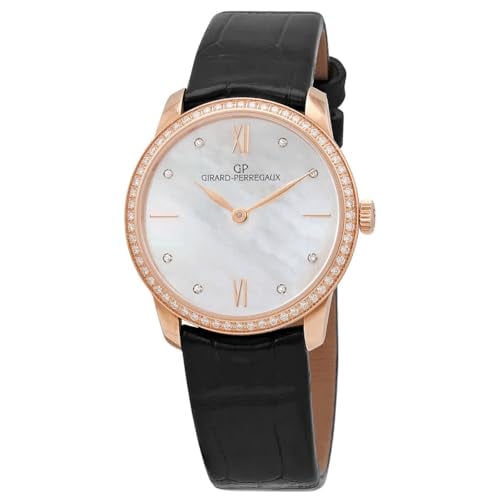
The Girard‑Perregaux 1966 Date arrives like a quiet invitation to step back into a decade that still feels fresh, not nostalgic. Housed in a polished 40 mm stainless‑steel case that sits just shy of a fingertip, the watch wears its heritage on a silver opaline dial, baton hour markers, and a discreet date window at 3 o’clock. Powered by the brand’s in‑house automatic caliber GP03300‑0030, it offers a 46‑hour power reserve while keeping the profile slim enough to slip under a shirt cuff without a whisper of bulk. Priced at US $9 800, the 1966 Date is positioned as a tier‑1 dress piece in Girard‑Perregaux’s catalogue, promising the brand’s celebrated precision engineering wrapped in a design language that echoes the clean lines of the 1960s. In this review we’ll unpack how the watch lives up to that promise, where it shines, and where the compromises of its elegant restraint become apparent.
## Heritage — the model's place in the brand's line and its launch context
Girard‑Perregaux’s 1966 collection is a deliberate nod to the aesthetic and technical milestones of the 1960s—a period when the house earned the Neuchâtel Observatory Centenary Prize for its chronometric advances. The 1966 Date, reference 49555‑11‑131‑BB60, sits squarely in the brand’s tier‑1 dress segment, a category the company defines by “innate codes of elegance” and a focus on timeless forms rather than overt sportiness.
The collection’s tagline—“simplicity is the ultimate sophistication”—draws directly from Leonardo da Vinci’s philosophy, underscoring the design brief: strip away excess, let proportion and finish speak. This is why the watch’s case is described as “very thin round… entirely polished, softly domed with curved lines (lugs, bezel, sapphire crystal and case‑back).” The homage is not a retro replica; it is a contemporary reinterpretation that respects the original’s clean geometry while benefitting from modern manufacturing tolerances and finishing techniques.
In the broader Girard‑Perregaux line, the 1966 Date complements the more complicated pieces (such as the Laureato or the iconic Tourbillon) by offering a pure, uncomplicated dress watch that still carries the house’s in‑house movement pedigree. Its launch reinforced the brand’s commitment to offering a full‑stacked portfolio: from haute‑complication to understated elegance, all anchored by the same dedication to precision that earned it historic accolades in the 1960s.
## Design & Case — case dimensions, materials, dial
At first glance the 1966 Date’s 40 mm case may appear generous for a dress watch, yet the thinness of the profile (the exact thickness is not disclosed in the source material) ensures it reads more like a classic 38 mm by modern standards. The case is crafted from polished stainless steel, a material choice that balances durability with a refined sheen. Every edge is softened by a gentle curvature—lugs, bezel, and even the sapphire crystal and case‑back follow the same softened contour, creating a cohesive visual flow that feels both contemporary and timeless.
The dial is a silver opaline canvas that catches light subtly, avoiding the stark glare of a highly polished finish while still providing enough contrast for legibility. Baton hour markers, finished in polished metal, sit atop the dial without overwhelming it, reinforcing the “simplicity” mantra. Leaf‑shaped hour and minute hands glide over the surface, their tapered silhouettes adding a touch of artistry without compromising readability.
A discreet date window at 3 o’clock is integrated seamlessly, framed by a thin line that maintains the dial’s clean aesthetic. The watch is protected by a sapphire crystal on both the front and the back, the latter allowing a glimpse of the in‑house movement—a small but appreciated nod to the enthusiast who values transparency.
The strap, a black alligator leather, provides a classic contrast to the bright steel case and opaline dial. Its supple texture and secure folding clasp (the clasp type is not specified) complement the watch’s dressy intent, while the leather’s natural patina over time promises to develop character alongside the watch’s own aging.
Overall, the design language is restrained yet purposeful. The combination of polished steel, opaline dial, and alligator strap creates a look that can transition from boardroom to evening function without feeling out of place.
## Movement & Performance — caliber, power reserve, accuracy
Under the polished exterior lies Girard‑Perregaux’s in‑house automatic caliber GP03300‑0030. While the source material does not detail the movement’s architecture (e.g., number of jewels, frequency), it does confirm that the caliber is automatic and delivers a 46‑hour power reserve—a respectable figure for a dress watch of this size. The movement is also equipped with a date complication, displayed at 3 o’clock, and is visible through the sapphire case‑back, offering a modest glimpse of the brand’s finishing standards.
The GP03300 series is a continuation of the brand’s long‑standing tradition of producing reliable, high‑precision movements. Although specific accuracy metrics (e.g., COSC certification) are not cited, the watch inherits the “technical advances in the field of chronometry” that earned Girard‑Perregaux the Neuchâtel Observatory Centenary Prize in the 1960s. This historical pedigree suggests that the movement meets the brand’s internal standards for timing stability, even if an official certification is not mentioned.
Water resistance is limited to 30 meters (3 ATM), which is typical for pure dress watches that are not intended for swimming or heavy exposure to moisture. This rating protects against accidental splashes and brief rain, but owners should still exercise caution when wearing the watch in wet conditions.
In everyday wear, the automatic winding system should keep the watch powered as long as it is worn regularly. The 46‑hour reserve provides a safety net for occasional off‑days, though the thin case may be more susceptible to shocks than a more robust sport‑oriented model. Nonetheless, the movement’s in‑house nature ensures that servicing will be handled by Girard‑Perregaux’s own technicians, preserving the watch’s integrity over its lifespan.
## On the Wrist — wearability, lug‑to‑lug, comfort notes
The 40 mm case, while appearing sizable, is balanced by a relatively short lug‑to‑lug spread (exact measurement not provided). The curved lugs follow the same softened geometry as the rest of the case, allowing the watch to sit comfortably on a variety of wrist sizes without pinching. The thin profile contributes to a light feel, and the alligator strap adds a supple cushioning effect that mitigates any potential pressure points.
Because the watch is designed as a dress piece, the strap’s width (not specified) is likely proportioned to maintain elegance rather than robustness, which can sometimes feel a bit narrow on larger wrists. However, the overall ergonomics are crafted to keep the watch close to the skin, reducing movement and enhancing the perception of a “second skin.”
The sapphire crystal’s slight domed curvature helps to deflect light and reduce glare, which is beneficial for readability in bright environments. The polished steel case may feel cool against the skin initially, but it quickly warms to body temperature, preventing the uncomfortable chill that some larger, unlined steel cases can produce.
One potential drawback is the limited water resistance; the wearer must be mindful when washing hands or encountering rain, as the watch is not designed for submersion. Additionally, the thinness of the case, while aesthetically pleasing, may make the watch more vulnerable to impact compared to thicker, more robust models. Nonetheless, for daily office wear, formal events, or leisurely outings, the 1966 Date offers a comfortable, well‑balanced presence on the wrist.
## When to Wear — occasion, setting and dress‑code fit
The 1966 Date is purpose‑built for dress‑code environments. Its polished stainless‑steel case and opaline dial exude a quiet confidence that pairs effortlessly with a tailored suit, a crisp white shirt, and a silk tie. The black alligator strap adds a touch of luxury without shouting, making it suitable for boardroom meetings, formal business lunches, and evening galas where a subtle statement is preferred over overt flash.
Because the watch’s design is rooted in the 1960s aesthetic, it also works well with vintage‑inspired attire—think double‑breasted jackets, narrow lapels, and classic leather shoes. The understated date window provides practicality without compromising the clean dial, allowing the wearer to glance at the calendar during a conference or a dinner without pulling out a phone.
In more casual settings, the watch can be dressed down with a smart‑casual blazer and dark denim, provided the overall look remains refined. However, it is less suited for sporty or outdoor activities due to its modest 30 m water resistance and thin case. Wearing it while engaging in heavy physical work or water‑based pursuits could expose it to unnecessary risk.
Overall, the 1966 Date thrives in environments where elegance is expected but ostentation is not. It bridges the gap between classic formalwear and contemporary minimalism, making it a versatile companion for any occasion that calls for a polished, timeless aesthetic.
## Value & Verdict — price‑positioning + final take
At US $9 800, the Girard‑Perregaux 1966 Date occupies a mid‑tier price point within the luxury dress watch segment. For a brand that offers both high‑complication tourbillons and more accessible quartz pieces, this price reflects the inclusion of an in‑house automatic movement, polished stainless‑steel case, sapphire crystal, and a high‑quality alligator strap—all hallmarks of Girard‑Perregaux’s craftsmanship.
When measured against competitors (e.g., a Patek Philippe Calatrava or a Jaeger‑LeCoultre Master Ultra Thin), the 1966 Date offers a comparable aesthetic and similar power reserve but lacks the brand‑specific heritage recognitions that some rivals tout (such as a certified COSC chronometer). Conversely, it provides a unique design narrative rooted in the 1960s, a period that many contemporary dress watches overlook.
The watch’s strengths lie in its elegant proportions, refined finishing, and the confidence that comes from an in‑house automatic calibre. Its weaknesses are the modest water resistance, the thin case that may be less robust under impact, and a price that some may find steep for a watch without complications beyond a date.
**Verdict:** The Girard‑Perregaux 1966 Date is a well‑executed homage to a golden era of watch design, delivering a sophisticated dress watch that feels both historic and contemporary. For collectors and professionals who value understated elegance, in‑house movement pedigree, and a design that whispers rather than shouts, it represents a worthy addition to a luxury wardrobe. If you prioritize higher water resistance, additional complications, or a lower entry price, you may look elsewhere, but for those seeking a pure, refined dress piece that carries Girard‑Perregany’s chronometric legacy, the 1966 Date delivers on its promise—simplicity truly is the ultimate sophistication.