Hermès Amazone 1974
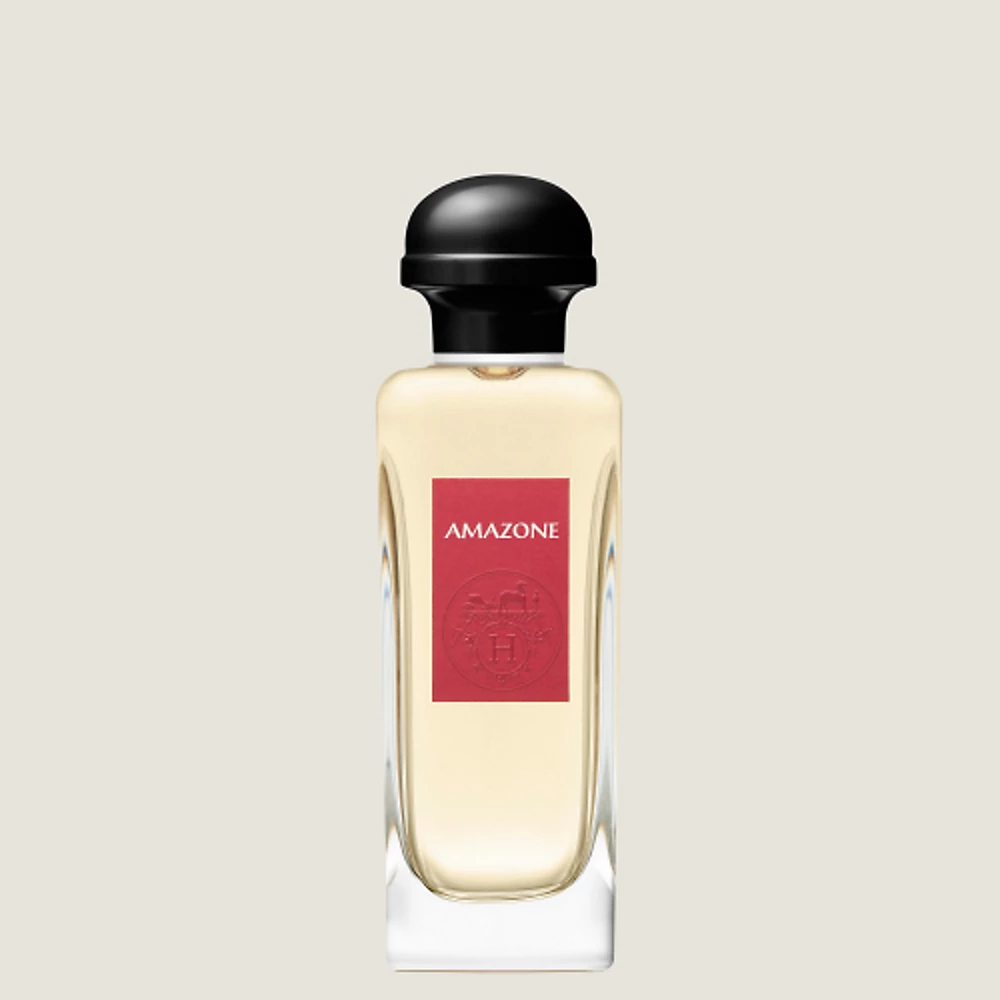
In the grand tapestry of twentieth-century perfumery, certain creations stand not merely as fragrances but as potent cultural artifacts, encapsulating the very essence of their time. Hermès Amazone, launched in the pivotal year of 1974, is unequivocally one such creation. To appreciate its genius, one must transport oneself back to an era simmering with social change, a time when the second wave of feminism was cresting, and the archetypes of femininity were being dismantled and reimagined. It was into this world of burgeoning independence and self-determination that Hermès, a house already steeped in a century of equestrian and artisanal heritage, chose to release its second-ever feminine fragrance, a bold and defiant successor to the stately aldehydic floral, Calèche, from 1961.
Amazone was not a gentle evolution; it was a revolution in a bottle. Where its contemporaries often spoke in hushed tones of polite florals or seductive ambers, Amazone galloped onto the scene with an untamed, verdant cry. The inspiration was as audacious as the scent itself: the mythical Amazons, the formidable female warriors of Greek legend. This was no mere marketing narrative; it was a profound and clever connection to the very soul of Hermès. A house built on the artistry of the saddle and the freedom of the open field found its perfect feminine counterpart in the image of the powerful, independent horsewoman, a figure who needed no man to define her. Amazone was, and remains, the scent of a liberated spirit.
Positioned as a luxurious and sophisticated offering, it nonetheless defied the conventions of its category. It was a green floral chypre, a family known for its intellectual and often austere character, yet it was infused with a unique and challenging fruity note that set it apart from all others. This was not the sweet, pliable fruit of later decades but the sharp, tangy, almost feral note of cassis, or blackcurrant bud. This single accord gave Amazone its distinctive, unforgettable signature—a scent that was at once beautiful and slightly dangerous, elegant and untamed.
Over the decades, Amazone has cultivated a reputation as a connoisseur's classic. While it may not possess the ubiquitous recognition of a Chanel No. 5 or a Shalimar, its influence is undeniable, and its standing among aficionados of vintage perfumery is impeccable. It represents a specific and masterful style of perfumery that has become increasingly rare in the modern landscape. To study Amazone is to study a masterpiece of balance, a fragrance that harmonizes the bitter with the beautiful, the wild with the refined, and in doing so, offers a timeless portrait of fierce, uncompromising femininity.
The Nose Behind the Scent
Maurice Maurin, a master perfumer known for his complex and intellectually rigorous compositions. His other notable creations include the iconic Diorella for Christian Dior (1972) and Mystère de Rochas (1978), both of which showcase his skill with the chypre structure and innovative accords.
Accords
Notes Pyramid
Scent Journey
A bracing and audacious opening dominated by the sharp, bitter green resin of galbanum and the unique, tangy-animalic signature of cassis (blackcurrant bud). It is an unapologetically bold and verdant statement, softened only by fleeting hints of citrus.
The initial sharpness recedes, allowing a complex, damp floral heart to emerge. The indolic, earthy scent of narcissus and the heady greenness of hyacinth take center stage, creating a feeling of a wild, untamed garden after a spring rain. The cassis note persists, now woven seamlessly into the floral bouquet.
The fragrance settles into its quintessential chypre soul. The rich, earthy, and slightly bitter character of oakmoss becomes prominent, beautifully balanced by the dry, rooty elegance of vetiver and a subtle, creamy warmth from sandalwood. It becomes a sophisticated and deeply personal skin scent.
Performance Dashboard
Excellent for an EDT, lasting a considerable 7-9 hours on skin and even longer on clothing, with a beautiful, evolving drydown.
Projects moderately and elegantly for the first 2-3 hours, creating a noticeable but not overwhelming aura before settling closer to the skin.
Leaves a graceful and distinctive trail that is more likely to intrigue than to announce one's presence. It beckons rather than shouts.
When to Wear
Community Verdict
Pros & Cons
- ✅ A masterpiece of the green floral chypre genre
- ✅ Unique and unforgettable signature from the cassis note
- ✅ Exudes an air of intelligence, confidence, and timeless elegance
- ✅ Excellent longevity and beautiful scent evolution
- ✅ Represents a significant piece of perfume history
- ❌ The sharp, animalic opening can be challenging for modern tastes
- ❌ Significantly reformulated over the years; vintage versions are superior but costly and difficult to find
- ❌ Not a crowd-pleasing or versatile scent for every occasion
Price & Value
“For aficionados of classic perfumery, the vintage formulation is an invaluable piece of olfactory art worth the investment. The modern version, while different, is still a high-quality fragrance that offers a worthy entry into this legendary scent profile.”
📜 Reformulation History
This fragrance has undergone significant reformulation since its 1974 launch. The primary distinction is between the original Maurice Maurin formula, rich in oakmoss and a potent cassis note, and the later versions, most notably the lighter, more transparent re-orchestration by Jean-Claude Ellena. Vintage bottles (often in a squared-off design) are deeper, earthier, and more animalic, while modern bottles (more rounded) are brighter and less mossy due to IFRA restrictions.
Accords
Notes Pyramid
Scent Journey
The Parfum opens with a vibrant and intensely green introduction, featuring prominent galbanum, cassia, and a medley of citrus and floral nuances from neroli and violet leaf. The initial impression is richer and more concentrated than the EDT.
The heart blossoms with an opulent floral bouquet, where narcissus, hyacinth, and rose intermingle with the tartness of black currant and raspberry. The iris and orris root lend a sophisticated, powdery depth, creating a more profound and enveloping floral experience than in the EDT.
The base is a deep, resonant fusion of oakmoss and vetiver, supported by warm woods and a subtle spice. This drydown is more tenacious and luxurious, offering a richer, more lingering skin scent compared to the EDT's lighter finish.
Performance Dashboard
Exceptional longevity, often exceeding 10-12 hours on the skin.
Robust projection for the first several hours, creating a noticeable and elegant sillage.
A captivating and substantial trail that lingers gracefully.
When to Wear
Community Verdict
Pros & Cons
- ✅ Unparalleled richness and depth
- ✅ Exceptional longevity and sillage
- ✅ Intensified olfactory experience
- ✅ Luxurious and opulent character
- ❌ Significantly higher price point
- ❌ May be too intense for some
- ❌ Less versatile than EDT for very casual wear
Price & Value
“The higher price point for Parfum concentrations is commensurate with the enhanced richness, depth, and longevity.”
📜 Reformulation History
Vintage Parfum concentrations are highly sought after and may exhibit slight variations due to the natural aging of ingredients. Modern formulations, if available, aim to replicate the original richness, though subtle differences can occur.
Accords
Notes Pyramid
Scent Journey
A bright and invigorating opening, characterized by the effervescence of citrus and the subtle sweetness of cassis and raspberry.
The heart unfolds with the elegant simplicity of narcissus and jasmine, a lighter floral interpretation than the Eau de Toilette.
A clean and airy drydown, primarily featuring vetiver and a delicate woody accord, offering a fleeting, refreshing finish.
Performance Dashboard
Rounds out at 3-5 hours, a characteristic of lighter concentrations.
Subtle and close to the skin, inviting an intimate olfactory experience.
A delicate whisper, leaving a gentle trace rather than a pronounced trail.
When to Wear
Community Verdict
Pros & Cons
- ✅ Exceptionally refreshing
- ✅ Ideal for warmer climates
- ✅ Gentle and unobtrusive
- ❌ Limited longevity
- ❌ Minimal projection
- ❌ Less complex than the Eau de Toilette
Price & Value
“Accessible luxury, offering a lighter interpretation of a classic.”
📜 Reformulation History
The Eau de Fraîcheur, introduced in 1993, presents a notably lighter and fruitier profile compared to the original 1974 Eau de Toilette. Its composition emphasizes freshness, featuring a reduced complexity in both its mid and base notes, with tuberose being a distinct addition to the heart. The base is significantly simplified, focusing on vetiver and woody notes, eschewing the richer, more complex foundation of oakmoss, sandalwood, cedar, and amber found in the Eau de Toilette. This concentration is designed for a more ephemeral and airy experience.
Who It's For
✅ Ideal For
- Admirers of classic and vintage perfumery (ages 30+)
- Individuals with a confident, intellectual, and perhaps slightly iconoclastic style
- Lovers of green, chypre, and complex floral fragrances
- Those who wear fragrance for personal pleasure rather than external validation
⚠️ Not Recommended For
- Fans of sweet, gourmand, or simple fruity-floral scents
- Those who are sensitive to bitter or 'challenging' notes like galbanum and cassis
- Individuals seeking a mass-appealing, compliment-focused fragrance
The Family
A lighter, more sparkling interpretation, emphasizing the citrus and green notes for warmer weather.
Explore More
🔍 Similar Fragrances
Shares a similarly sharp, aristocratic green opening with galbanum and a sophisticated floral heart, though it is cooler and more iris-focused.
A modern exploration of the blackcurrant and rose pairing, offering a more photorealistic and less complex interpretation of Amazone's key fruity-green accord.
Another grand green chypre from the same era, it shares the assertive green character but ventures into darker, more leathery territory.
A contemporary of Amazone, it possesses a similar bitter galbanum and green hyacinth accord, though it lacks the distinctive fruity cassis note.
💡 Clone Alternatives
While not a direct clone, it is often recommended as an affordable fragrance that captures the sharp, green, and unsweetened floral spirit of the same era.
Shares a certain bold, green, and complex floral character from the period, offering a similar level of complexity at a much lower price point, though the scent profile is different.
❤️ You May Also Enjoy
For its crisp, mossy, and effortlessly chic green character.
For its powerful, herbal, and complex chypre structure.
For its intensely green, aristocratic, and sophisticated floral profile.
More from Hermès
🧪 Layering Ideas
- A minimalist vetiver fragrance to amplify the dry, earthy facets of the base.
- A high-quality rose soliflore to soften the green opening and bring a lush romanticism to the floral heart.
- A molecule scent like ISO E Super or Ambroxan to lend the modern formulation additional warmth, diffusion, and a contemporary woody-amber finish.
🏆 Final Verdict
Hermès Amazone is far more than a mere perfume; it is an olfactory time capsule, a statement of intent, and a masterpiece of balanced complexity. It is a fragrance for the discerning individual who seeks not to follow trends, but to appreciate artistry and historical context. Its challenging opening and sophisticated evolution are a reward for the patient and curious nose. To purchase Amazone, particularly in its vintage form, is to acquire a piece of the Hermès legacy and a timeless symbol of fierce, elegant independence. It is a necessary pilgrimage for any serious student of perfumery and a profound joy for anyone who believes a fragrance should have a story to tell.
Ready to experience Hermès Amazone 1974?
Buy on AmazonAs an Amazon Associate, Vivir earns from qualifying purchases.