An in-depth analysis of the legendary 'costliest perfume in the world' and its enduring legacy.
By Vivir··Updated
In this review
In the world of fragrance, few names command as much reverence as Jean Patou's Joy. Launched in 1930 during the Great Depression, it was famously billed as 'the costliest perfume in the world,' a bold statement of opulence and resilience. Created by perfumer Henri Alméras for Jean Patou's fashion house, Joy was conceived as an olfactory masterpiece that would defy economic gloom with its sheer, unapologetic luxury.
At its heart, Joy is a floral-aldehydic parfum, a classic structural genre that it helped to perfect. While many modern fragrances are built around a central concept or story, Joy is an unabashed celebration of raw material beauty, specifically the most precious floral absolutes: jasmine and rose. It is not a fragrance of subtlety but one of profound, timeless statement.
This review focuses specifically on the Parfum (or extrait de parfum) concentration, the purest and most authentic expression of Alméras's original vision. In an era of flankers and constant reinvention, Joy Parfum remains a benchmark, a bottle of history and artistry that continues to define what true luxury in perfumery means.
$250-$500+ (for 30ml/1oz parfum)
SpringSummerFallWinter
Accords
FloralAldehydicAnimalicPowderyGreen
Notes Pyramid
Top
AldehydesGrasse JasmineYlang-Ylang
Heart
Bulgarian RoseGrasse JasmineTuberose
Base
SandalwoodMuskCivet
Performance Dashboard
Longevity
12-24+ hours
Projection
Strong initial projection of 2-3 feet, which becomes more intimate after the first few hours. It remains a personal bubble of luxury rather than a room-filling force.
Sillage
Moderate to heavy for the first 3-4 hours, creating a distinct, elegant aura. It then settles into a moderate, closer-to-the-skin scent trail that is persistent and noticeable.
When to Wear
SpringBest
SummerAvoid
FallBest
WinterBest
Black-Tie EventsFormal GalasIntimate Evening DinnersSpecial CelebrationsWhen seeking a personal confidence boost
Pros & Cons
+Unmatched historical significance and legacy
+Extremely high-quality, rich floral absolutes
+Superb longevity in parfum concentration
+A timeless, elegant statement piece
−Very high price point per ml
−Classic, animalic profile may not appeal to modern tastes
−Can feel formal or 'mature' to some noses
−The civet note, though now likely synthetic, can be challenging
Price & Value
$250-$500+ (for 30ml/1oz parfum)
“Extremely expensive per milliliter, but justified for connoisseurs as a piece of olfactory history and for the concentration of precious materials. It is an investment in an experience, not just a scent.”
Reformulation History
No significant batch variations reported for the modern Parfum. The formula has been stable under current ownership. Vintage versions (pre-2000s) are highly sought after and differ significantly, being richer and more animalic due to older regulations on raw materials.
None capture the true essence and quality. However, fragrances like 'White Diamonds' by Elizabeth Taylor or 'Jasmin et Cigarette' by Etat Libre d'Orange explore facets of the jasmine-aldehyde theme in more affordable, modern ways.
Layer sparingly over an unscented sandalwood or musk balm to enhance the base warmth.
A single spray of a crisp citrus cologne (like Eau de Patou) at the pulse points can lift the aldehydic top for daytime.
Final Verdict
Jean Patou Joy Parfum is not merely a perfume; it is an institution. It remains one of the most important floral-aldehydic fragrances ever created, a benchmark of luxury and artistic ambition. While its classic, animalic profile may not align with every modern preference, its quality, depth, and staggering longevity are undeniable. For the collector, the historian, or the wearer seeking a scent of profound elegance and statement, Joy Parfum is an essential, peerless experience.

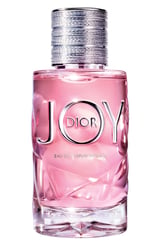 Joy Intense
Dior
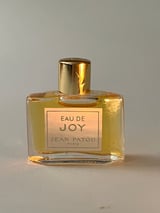 Joy by Jean Patou (2018 Re-issue)
Jean Patou
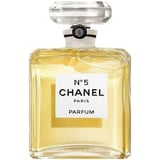 Chanel No. 5 Parfum
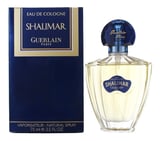 Guerlain Shalimar
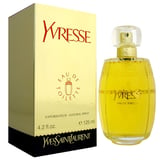 Yves Saint Laurent Yvresse (Champagne)
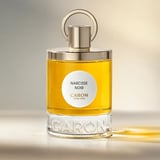 Caron Fleurs de Rocaille
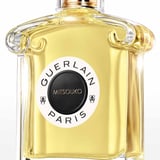 Guerlain Mitsouko
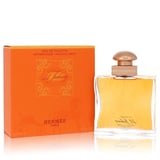 Hermès 24 Faubourg
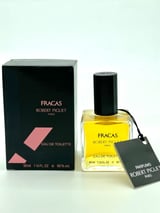 Robert Piguet Fracas
 Frederic Malle Portrait of a Lady
 1000
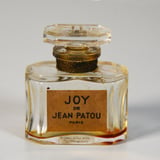 Jean Patou Joy (Vintage)
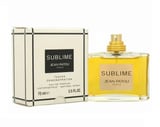 Sublime EDT
 Patou pour Homme (Vintage)
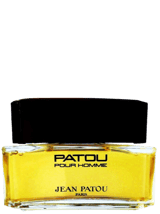 Patou pour Homme