Junghans Meister Chronoscope Review: Bauhaus Precision Meets Modern Cool
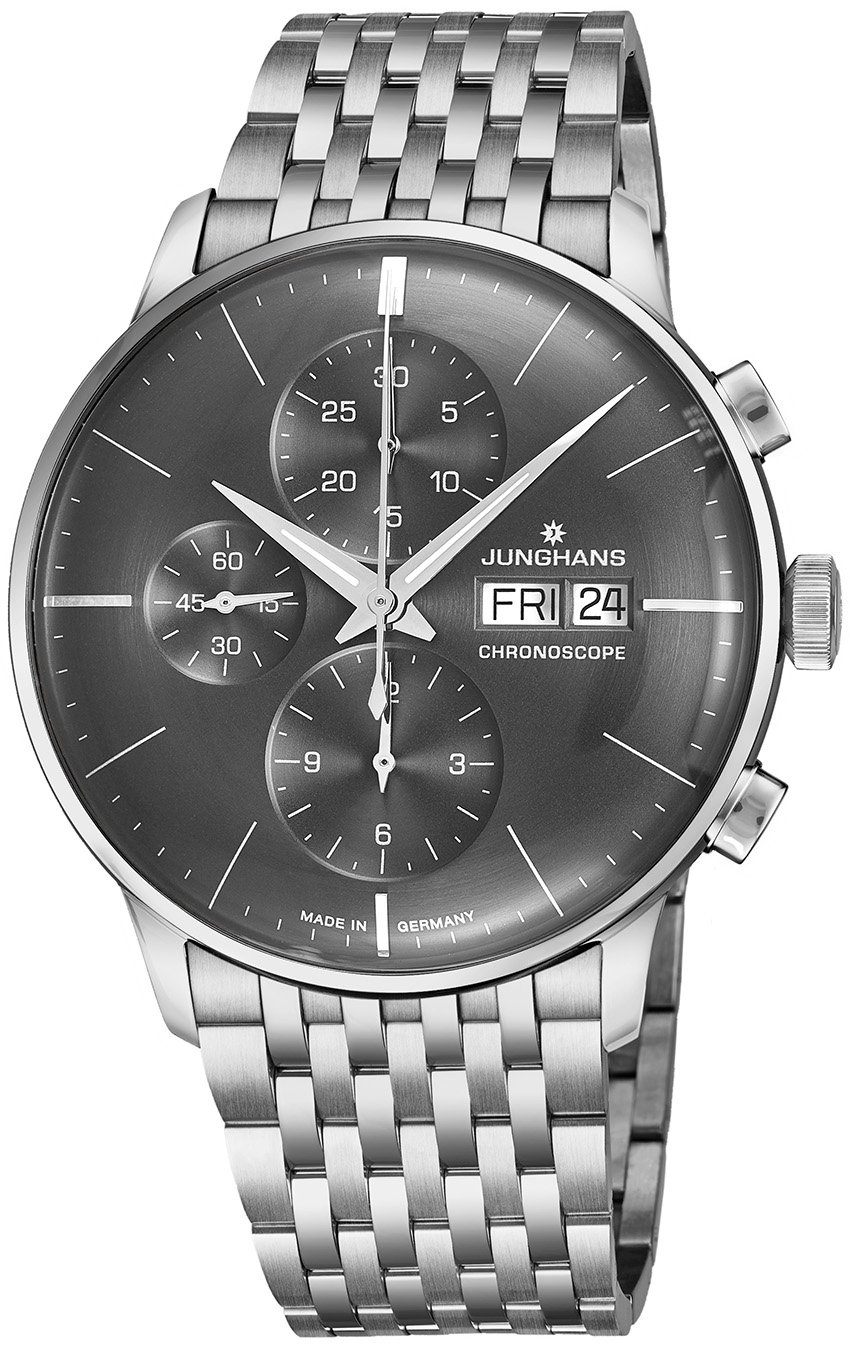
In a world where watch brands chase hype with oversized cases and aggressive marketing, Junghans quietly does the opposite. The Meister Chronoscope is a watch that doesn't scream for attention—it earns it. With its clean Bauhaus dial, perfectly proportioned 40.7mm case, and a movement that punches well above its price point, this is the chronograph for the collector who values design integrity over Instagram likes.
Junghans has been making watches since 1861, but the Meister line is where their modernist soul lives. The Chronoscope variant adds a column-wheel chronograph complication without sacrificing the brand's signature restraint. It's the kind of watch you'd see on a young architect in Berlin or a creative director in Brooklyn—someone who knows that less is more, but also knows when to add a stopwatch.
This review breaks down everything: the movement, the feel on wrist, how it stacks against competitors, and whether it's worth your hard-earned cash. Spoiler: it probably is.
Manufacture History
Founded in 1861 in Schramberg, Germany, Junghans quickly became one of the largest watch manufacturers in the world. The brand pioneered precision timekeeping with its own chronometer standards and later embraced the Bauhaus design movement under the influence of Max Bill. The Meister line, introduced in the 1930s, represents the brand's commitment to clean aesthetics and reliable mechanics. The Chronoscope model adds a chronograph complication while staying true to the minimalist ethos.
Movement
At the heart of the Meister Chronoscope beats the caliber J880.1, an automatic chronograph movement based on the venerable ETA 7750. It operates at 28,800 vph (4 Hz) with 25 jewels and a 42-hour power reserve. While not COSC-certified, the movement is decorated with perlage and blued screws—a level of finishing rarely seen at this price point. The chronograph is cam-actuated, offering reliable start/stop/reset action. The date is set via the crown (no quick-set), which is a minor inconvenience but true to the movement's architecture.
Specifications
- Case Diameter: 40.7mm
- Case Thickness: 14.5mm
- Lug-to-Lug: 48mm
- Case Material: Stainless steel
- Crystal: Domed sapphire with anti-reflective coating
- Water Resistance: 50 meters
- Lume: Super-LumiNova on hands and hour markers
- Strap: Leather with pin buckle
Wrist Feel
On the wrist, the Meister Chronoscope wears smaller than its 40.7mm diameter suggests. The short, curved lugs hug a 6.5-inch wrist perfectly, and the 14.5mm thickness is well-distributed—no top-heavy wobble. The leather strap is supple out of the box, with a quick-release system that makes swapping easy. The domed sapphire crystal adds a vintage bubble that catches light beautifully.
Weight is moderate, around 100g on strap, giving it a solid but not burdensome presence. The pushers have a crisp, positive action—no mush. The crown is signed and easy to grip. This is a watch you forget you're wearing until you glance down and smile.
Accuracy
Expect +5 to +10 seconds per day out of the box. The ETA 7750 base is reliable, and after a regulation visit, you can easily get within COSC-like performance. Day-to-day, it's consistent enough for a non-certified movement.
Occasions
The Meister Chronoscope is versatile enough for daily wear, dressier occasions, and even travel. Its 50m water resistance means you can handle splashes but not swimming. The clean dial works with a suit or a t-shirt.
Wrist Presence
4/5 — Understated but unmistakable. The clean dial and subtle chronograph registers draw the eye without shouting. It's a watch that gets noticed by people who know watches.
Reference Variants
- 027/4700.00: Silver matte dial, brown leather strap. The classic.
- 027/4701.00: Black matte dial, black leather strap. Stealth mode.
- 027/4702.00: Blue sunburst dial, brown leather strap. Limited edition.
Family References
Junghans Meister Calendar, Meister Handaufzug, Meister Driver.
Other Notable Models by Junghans
Max Bill Chronoscope, Form A, 1972 Chronoscope.
Similar Watches
- Nomos Tangente Chronograph: Similar Bauhaus aesthetic, in-house movement, smaller case.
- Hamilton Intra-Matic Auto Chrono: Vintage-inspired, lower price.
- Longines Heritage Chronograph: Classic column-wheel, more traditional.
Homages
- Laco Flieger Chronograph: German heritage, pilot style, ~$1,200.
- Seagull 1963 Chronograph: Hand-wound, vintage look, ~$350.
Investment Value
MSRP is $2,450. Pre-owned prices range from $1,500 to $2,200. The trend is stable—Junghans has a dedicated following but limited mainstream hype. Not a quick flip, but a solid long-term hold. No major auction history.
Service Interval
Every 5 years, approximately $500. Any competent watchmaker can service the ETA-based movement. Authorized service available in Germany and US.
Reference Number
027/4700.00
Price Range
$1,500–$2,450. Excellent value for a well-finished German chronograph with Bauhaus pedigree.
Pros and Cons
Pros: Beautiful Bauhaus design, excellent finishing for the price, comfortable on wrist, reliable ETA-based movement.
Cons: Only 50m water resistance, no quick-set date, strap could be more premium, not a true in-house movement.
Final Verdict
The Junghans Meister Chronoscope is a masterclass in understated design. It delivers a genuine chronograph experience with a movement that's easy to service, a dial that ages gracefully, and a price that undercuts most Swiss competitors. If you want a watch that whispers 'I know watches' instead of shouting, this is it.