Lancome Sikkim

In this review
In the grand tapestry of 20th-century perfumery, certain creations stand as monuments not merely to a brand, but to an entire era of artistic audacity. Lancôme's Sikkim, first unveiled to the world in 1971, is one such pillar. It is a fragrance that does not gently whisper its presence; rather, it announces itself with the quiet, unshakeable confidence of a forgotten monarch. To experience Sikkim today, particularly in its original Parfum concentration, is to engage in an act of olfactory archaeology, uncovering a scent profile so profoundly different from contemporary sensibilities that it feels like a transmission from another world—a world of untamed elegance and formidable sophistication.
Launched during a decade defined by social upheaval and a burgeoning sense of liberation, Sikkim was Lancôme’s bold answer to the green, assertive chypres that were capturing the imagination of the world’s most stylish women. It stood shoulder-to-shoulder with titans like Chanel No. 19, yet carved its own unique territory. Where others were crisp and cool, Sikkim was warmer, spicier, and possessed a shadowy, animalic depth that hinted at something far more primal. It was a fragrance designed not for the ingenue, but for the woman of experience and intellect, one who understood that true allure lay in complexity and mystery, not overt sweetness.
The very name, Sikkim, evokes the remote, mist-shrouded kingdom in the Himalayas, a land of breathtaking landscapes and profound spiritualism. This was the conceptual heart of the fragrance: an exotic journey, a departure from the familiar floral bouquets of post-war Paris. The scent was meant to conjure images of rare alpine flowers, damp earth, ancient forests, and the subtle, leathery scent of adventure. It was a perfume that carried with it an entire narrative, a piece of escapism bottled for the modern woman who dreamt of distant horizons but commanded the urban landscape.
Within the discerning circles of vintage fragrance connoisseurs, Sikkim is the subject of revered discussion. It is often cited as a masterpiece of the floral-leather-chypre category, a reference point for a style of perfumery that has become exceedingly rare due to modern regulations and shifting tastes. Its relative obscurity compared to other Lancôme blockbusters like Trésor or Magie Noire only enhances its mystique, making the discovery of a well-preserved vintage bottle a triumphant moment for any serious collector. Sikkim is not merely a perfume; it is a historical artifact, a testament to a time when fragrance was a daring and profound form of personal expression.
The Nose Behind the Scent
Robert Gonnon, a master perfumer for Lancôme during its mid-20th-century golden era. His portfolio includes other iconic creations such as Climat (1967) and he was a key contributor to the legendary Magie Noire (1978).
Accords
Notes Pyramid
Scent Journey
An uncompromising and breathtakingly bitter-green opening, dominated by a potent, resinous galbanum and shimmering, soapy aldehydes. It is sharp, intellectual, and evocative of crushed green stems and damp earth.
The initial sharpness gradually softens as a complex, non-sweet floral heart emerges. Spicy carnation and indolic jasmine intertwine with cool gardenia, creating a sophisticated, shadowy bouquet that bridges the green top and dark base.
The ultimate destination is a sublime, dark chypre base. Rich, authentic oakmoss provides an earthy, inky foundation for a prominent, well-worn leather accord, smoky vetiver, and a subtle, warm animalic purr from castoreum. It becomes an intimate, profound skin scent.
Performance Dashboard
Exceptional. As a vintage Parfum, it lasts a full 10-12 hours on skin, becoming a persistent and beautiful skin scent in its final stages.
Polite and elegant. It projects moderately for the first 1-2 hours, creating a personal scent aura rather than a loud statement, as is typical of classic extraits.
A subtle, sophisticated trail. It is not a scent that announces one's arrival from across the room, but it leaves a memorable, intriguing whisper in one's wake.
When to Wear
Pros & Cons
- ✅ A true masterpiece of 20th-century perfumery
- ✅ Unique and complex green-leather-chypre profile
- ✅ Exceptional quality of (vintage) raw materials, including real oakmoss
- ✅ Represents a significant piece of olfactory history
- ✅ Profoundly elegant and intellectually stimulating
- ❌ Extremely rare and difficult to find in good condition
- ❌ High cost on the vintage market
- ❌ Its challenging, bitter profile may not appeal to modern tastes
- ❌ Not a versatile, everyday fragrance
Price & Value
“For a serious collector of olfactory art, the price is justified for an authentic, well-preserved bottle. It is an investment in a piece of fragrance history.”
Reformulation History
The most significant variation is the reformulation. The original 1971 formula is a dark, animalic, oakmoss-heavy masterpiece. The 2005 'La Collection' re-release is a brighter, cleaner, and more floral interpretation, lacking the depth and animalic growl of the original due to modern restrictions (notably on oakmoss). This review focuses exclusively on the vintage formulation.
Accords
Notes Pyramid
Scent Journey
An uncompromisingly bold and aristocratic opening. A potent surge of sharp, intensely green galbanum and shimmering, soapy aldehydes creates a formidable, classic chypre structure that immediately signals a fragrance of a bygone era of olfactory artistry.
The heart transitions into a deeply complex and opulent floral bouquet. Heady narcissus and spicy carnation emerge, masterfully blended with powdery iris and hints of rose and jasmine. The initial sharpness softens, revealing a sophisticated, untamed garden at dusk.
The soul of the Extrait is revealed in its profound, long-lasting drydown. A rich, dark, and almost primal base of authentic oakmoss, supple leather, and earthy vetiver takes command. The animalic depth of castoreum, now largely absent in modern perfumery, adds a layer of unparalleled sensuality and warmth, lingering for hours as a testament to its quality.
Performance Dashboard
Exceptional. Lasts 12+ hours on skin and days on fabric, as is characteristic of high-quality vintage extraits.
Authoritative projection for the first 3-4 hours, creating a commanding and unforgettable presence without being overwhelming.
Leaves a majestic and significant trail that is the epitome of elegance and assertiveness; a true scent signature.
When to Wear
Pros & Cons
- ✅ A masterpiece of 20th-century perfumery
- ✅ Unparalleled depth from vintage-era materials (real oakmoss, castoreum)
- ✅ Unique and intellectually stimulating green-leather profile
- ✅ Exceptional longevity and sillage in Extrait form
- ❌ Extremely rare and difficult to find in good condition
- ❌ Prohibitively high cost on the vintage market
- ❌ Challenging, complex profile may not suit modern tastes
- ❌ Discontinued, making each bottle a finite treasure
Price & Value
“Price is dictated by rarity and condition; a 'holy grail' acquisition for connoisseurs of vintage chypres.”
Reformulation History
The most critical variation is between the original 1971 Extrait and the 2005 'La Collection' reissue. The vintage Extrait is significantly darker, deeper, and more animalic due to the use of real oakmoss and castoreum, ingredients heavily restricted by the time of the 2005 reformulation. The original is considered the definitive, richest expression of the perfumer's vision.
Accords
Notes Pyramid
Scent Journey
A brighter, more effervescent aldehydic wave compared to the Parfum, with the sharp greenness of galbanum feeling more pronounced and airy in the initial moments.
The floral heart, while present, feels less dense and indolic. The spicy carnation and narcissus are more transparent, allowing the soapy aldehydes to linger longer into the development.
A significantly lighter base than the Parfum. The formidable oakmoss and leather are softened, presenting as a supple, mossy suede rather than a deep, animalic leather. The finish is elegant but less tenacious.
Performance Dashboard
Lasts 5-7 hours
Moderate projection for 1-2 hours
Noticeable but not overwhelming trail
When to Wear
Pros & Cons
- ✅ More versatile for daily wear
- ✅ Brighter, fresher opening
- ✅ Less overpowering than the Parfum
- ✅ A more accessible entry into vintage chypres
- ❌ Reduced longevity and sillage
- ❌ Lacks the profound depth of the Parfum
- ❌ Less complex drydown
- ❌ Vintage bottles are rare and costly
Price & Value
“Price is driven by rarity; offers a more wearable, less demanding experience of a classic chypre.”
Reformulation History
The original 1971 formulation is the most sought-after. It was briefly reissued as part of 'La Collection' in 2005, but this version is a significant reformulation due to modern restrictions on ingredients like oakmoss, resulting in a thinner and less complex character compared to the vintage original.
Who It's For
Ideal For
- Connoisseurs of vintage perfumery
- Admirers of the green chypre and leather fragrance families
- Individuals with a sophisticated, intellectual, and classic sense of style
- Those who appreciate fragrance as an art form rather than a simple accessory
Not Recommended For
- Beginners in the world of fragrance
- Those who prefer sweet, gourmand, or light floral scents
- Individuals seeking a mass-appealing, compliment-focused fragrance
- Wear in casual settings or hot weather
The Family
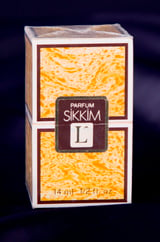 Sikkim (La Collection)
Explore More
Similar Fragrances
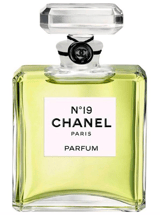 No. 19 Parfum
 Bandit
 Miss Dior (Originale)
 Cabochard
You May Also Enjoy
For those who appreciate the deep, mossy, and complex structure of a classic chypre.
Fans of dry, aromatic, and leathery chypres from the same era will find a kindred spirit.
Appeals to lovers of vintage leather notes combined with spicy carnation and a deep, sensual base.
 Hypnose Homme
 Tropiques
 Miracle Homme
 Idole Power EDP
 Hidden by a Rose
 La Vie Est Belle Gold Rose Edition
Layering Ideas
- It is strongly advised to wear Sikkim as a standalone piece of art to appreciate its full complexity.
- If one must experiment, a single, high-quality sandalwood oil could be applied sparingly as a base to amplify its woody warmth, but this should be done with extreme caution.
Final Verdict
To acquire and wear Lancôme's Sikkim Parfum is to own a piece of olfactory history. It is a fragrance that demands attention, rewards patience, and offers an experience of profound depth and intellectual beauty. In a world saturated with fleeting, saccharine creations, Sikkim stands as a resolute monument to the power of contrast, complexity, and uncompromising artistic vision. It is not merely a perfume to be liked; it is a composition to be studied, understood, and deeply respected. For the serious fragrance collector, it is not an optional acquisition but an essential pilgrimage to the very heart of what makes perfumery a true art form.