Introduction
The Omega Aqua Terra Worldtimer (ref. 220.10.43.22.03.001) is the watch you buy when you want to flex your geography knowledge without actually saying a word. It’s the kind of piece that whispers ‘I’ve been to all 24 time zones’ while you sip an Aperol Spritz in Ibiza. For the trust-fund-baby collector, this isn’t just a tool—it’s a statement that you’re too busy jet-setting to bother with a phone’s world clock app.
From a market perspective, the Worldtimer sits in a curious spot. It’s not a limited edition, not a hype beast, but it’s a solid performer on the pre-owned circuit. Resale data shows it holds around 80-85% of its MSRP after three years, which is respectable for an Omega that isn’t a Speedmaster or a Seamaster Diver. The hype cycle is flat—no crazy spikes, no panic buying—just steady demand from collectors who actually travel. If you’re looking to flip, this isn’t your ticket. But if you want a watch that will age gracefully and still fetch a decent price when you upgrade to a Patek, this is it.
Let’s be real: the Worldtimer is a flex, but a subtle one. The blue dial with the laser-ablated world map is a conversation starter, but only among people who know what a worldtimer complication actually does. For everyone else, it’s just a really nice Omega. And that’s exactly the point.
Manufacture History
Omega was founded in 1848 by Louis Brandt in La Chaux-de-Fonds, Switzerland. The brand quickly gained a reputation for precision and innovation, becoming the official timekeeper of the Olympic Games and the first watch on the moon with the Speedmaster. The Aqua Terra line debuted in 2002 as a versatile, nautical-inspired collection that bridges the gap between dress and sport. The Worldtimer variant, introduced in 2017, adds a global complication that appeals to the modern traveler.
Movement
At the heart of the Worldtimer is the Omega Caliber 8938, an in-house automatic movement with a co-axial escapement and a silicon balance spring. It’s a Master Chronometer, meaning it passed the METAS tests for precision (-0/+5 seconds per day), anti-magnetism (up to 15,000 gauss), and water resistance. The movement beats at 25,200 vph, has 39 jewels, and offers a 60-hour power reserve. The finishing is industrial but attractive, with arabesque Geneva waves and a rhodium-plated rotor. The jumping hour hand allows for quick time zone adjustments without stopping the watch.
Specs
- Case Diameter: 43mm
- Case Thickness: 14.3mm
- Lug-to-Lug: 50mm
- Case Material: Stainless steel
- Crystal: Sapphire with anti-reflective coating
- Water Resistance: 150m
- Lume: Super-LumiNova on hands and indices
- Bracelet/Strap: Steel bracelet with folding clasp
Wrist Feel
On the wrist, the 43mm case is substantial but not overwhelming. The 14.3mm thickness is noticeable under a dress shirt cuff, but the integrated bracelet tapers nicely and the polished center links add a touch of luxury. The weight is balanced—about 170g on the bracelet—so it doesn’t feel like a brick. The screw-down crown and 150m water resistance mean you can take it from the boardroom to the beach without a second thought.
The real magic is the dial. The laser-ablated world map in the center is a visual feast, and the 24-hour ring with city names is legible at a glance. The date window at 6 o’clock is discreet. The overall feel is that of a well-engineered tool that also happens to be a piece of art. It’s not a watch you forget you’re wearing, but it’s comfortable enough for all-day wear, even on long-haul flights.
Accuracy
Real-world accuracy is excellent. The Master Chronometer certification guarantees -0/+5 seconds per day, and most examples run within +2 to +3 seconds. The silicon balance spring and co-axial escapement ensure consistent performance over time, even in magnetic environments. Expect to set it once a week and forget about it.
Occasions
The Worldtimer is a chameleon. It works with a suit for formal events, with a polo for daily wear, and with swim trunks for a beach day. The 150m water resistance makes it sporty enough for snorkeling, while the polished elements keep it dressy. It’s the ultimate travel companion—set it to local time and the 24-hour ring shows you home time at a glance.
Wrist Presence
4/5 – The blue dial and world map are eye-catching without being gaudy. It commands attention in a room full of Submariners, but it’s not a peacock piece. The 43mm case ensures it’s noticed, but the refined finishing keeps it classy.
Reference Variants
- 220.10.43.22.03.001 – Blue dial, steel bracelet (this review)
- 220.10.43.22.03.002 – Green dial, steel bracelet
- 220.10.43.22.03.003 – Black dial, steel bracelet
- 220.10.43.22.03.004 – Blue dial, blue rubber strap
Family References
The Aqua Terra family includes 38mm, 41mm, and 43mm models, with or without the Worldtimer complication. The standard Aqua Terra (ref. 220.10.41.21.03.001) is a simpler three-hand date watch, while the Worldtimer adds the global function.
Other Notable Omega Models
- Omega Seamaster Diver 300M
- Omega Speedmaster Professional Moonwatch
- Omega Constellation Globemaster
Similar Watches
- Rolex GMT-Master II 126710BLRO – The quintessential GMT watch, but with a higher price tag and more hype.
- Grand Seiko SBGE285 – A Spring Drive GMT with a stunning dial and similar worldtimer functionality.
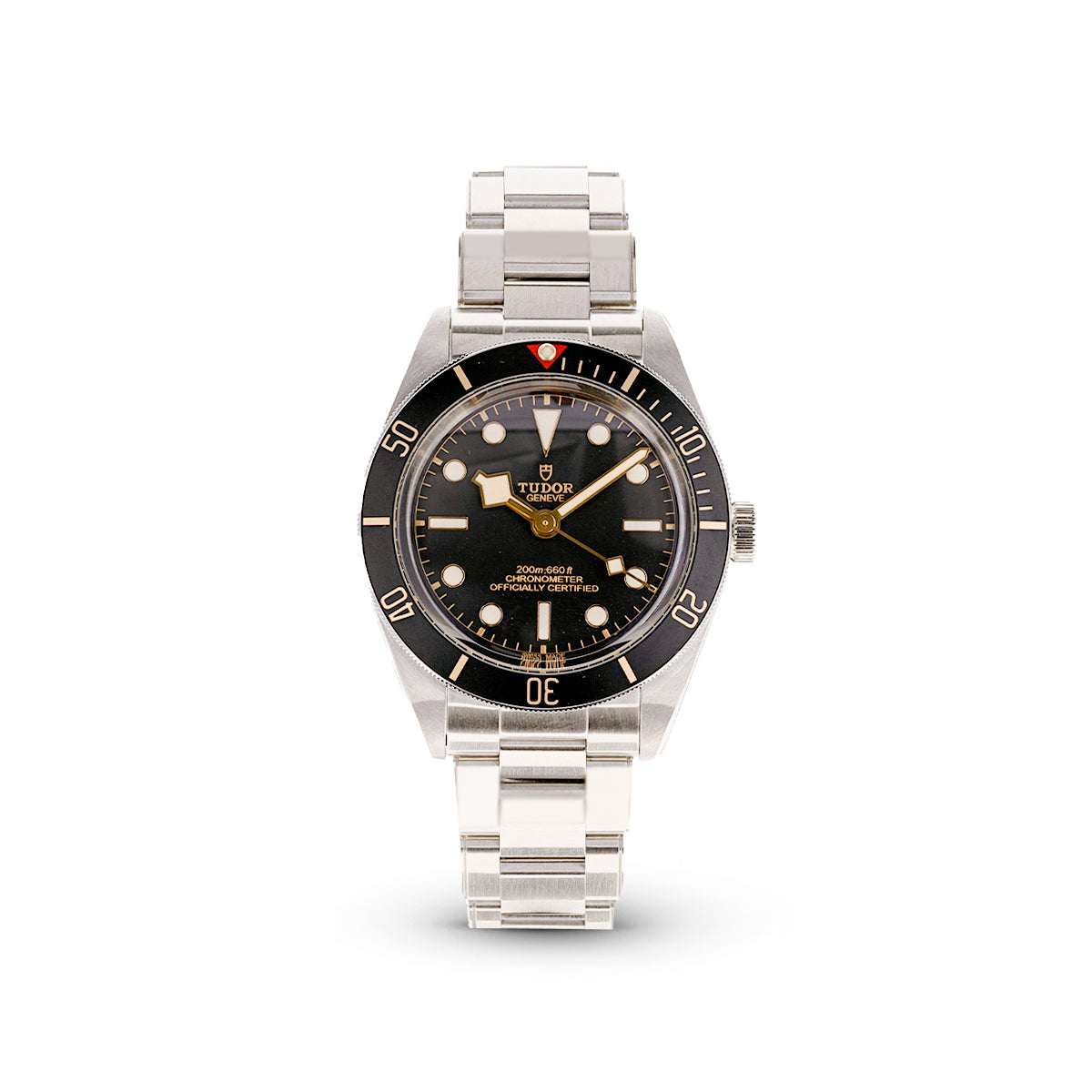
- Tudor Black Bay GMT – A more affordable GMT option with a dive watch aesthetic.
- Longines Zulu Time – A vintage-inspired GMT with a more accessible price point.
Homages
- Pagani Design PD-1662 ($120) – A cheap homage with a worldtimer dial, but lacks the in-house movement and finishing.
- Steinhart Ocean GMT ($500) – A solid GMT homage with a ceramic bezel, but no worldtimer function.
Investment Value
MSRP: $7,200
Current Retail: $7,500
Pre-Owned Range: $5,500-$6,500
Trend: Stable
Hold Recommendation: Buy pre-owned to avoid the initial depreciation hit. This isn’t a flipper, but it will hold value better than most Omegas if you keep the box and papers.
Auction History: No major auction history; occasional sales at Phillips or Christie’s for $6,000-$7,000 in mint condition.
Service Interval
Omega recommends service every 5-8 years. An authorized service costs around $800, but independent watchmakers can do it for less. The movement is robust and widely serviceable.
Pros and Cons
Pros
- In-house Master Chronometer movement with co-axial escapement
- Stunning laser-ablated world map dial
- 150m water resistance – swim-ready
- Independent hour hand adjustment for easy time zone changes
- Excellent legibility with 24-hour ring and city names
Cons
- 43mm case may be too large for smaller wrists
- 14.3mm thickness can be bulky under dress shirts
- Bracelet lacks on-the-fly micro-adjustment
- Price premium over standard Aqua Terra models
- Not a hyped model, so resale is stable but not explosive
Final Verdict
The Omega Aqua Terra Worldtimer is a compelling travel companion with a stunning dial and robust in-house movement. While it’s not an investment piece, it offers excellent value for a worldtimer from a prestigious brand. Trust-fund buyers will appreciate its understated luxury and global functionality, and the pre-owned market is a smart entry point.