Paco Rabanne Fragrance review
Paco Rabanne pour Elle Eau D Ete
The sun-drenched, carefree floral that captures the essence of a Mediterranean breeze.
In this review
In the world of fragrance, few names evoke the spirit of bold, unapologetic femininity quite like Paco Rabanne. The house, founded by the visionary Spanish designer known for his avant-garde metal dresses, has always danced to its own rhythm. In 1995, they introduced Paco Rabanne Pour Elle, a rich, opulent floral-oriental that became an instant classic for evening wear. But what happens when you take that sophisticated DNA and bathe it in golden sunlight? You get its radiant, effervescent sibling: Paco Rabanne Pour Elle Eau D'Eté.
Launched in 1997, Eau D'Eté (literally "Summer Water") was part of a beautiful trend of the era: the seasonal flanker. It wasn't a new fragrance, but a luminous reinterpretation of the original, designed to be worn when the days grow long and the air turns warm. This was a fragrance that understood a woman's wardrobe changes with the seasons, and so should her scent. It moved the original's drama from the velvet-draped opera house to a sunlit terrace overlooking the sea, swapping intensity for sheer, joyful radiance.
The concept is pure, unadulterated summer escapism. It’s the scent of a linen dress fluttering in a coastal breeze, of citrus groves at noon, and of white flowers blooming under a relentless sun. It captures that specific, carefree feeling of a holiday where your only responsibility is to decide between the pool and the beach. In the fragrance community, Pour Elle Eau D'Eté holds a special place as a cult favorite summer scent from the late 90s—a time capsule of a specific, optimistic kind of luxury that was both accessible and utterly glamorous.
While it may not have the bombastic cultural footprint of some blockbuster fragrances, its impact is felt in its enduring loyalty. For those who discovered it, it became a seasonal ritual, a bottle that came out with the first true day of heat and was treasured until the leaves began to turn. It represents a moment in perfumery where lightness was not synonymous with weakness, and where a summer fragrance could be beautifully composed, memorable, and full of character, rather than a mere whisper of citrus that vanishes in an hour.
The Nose Behind the Scent
The fragrance was created by the master perfumer <strong>Rosendo Mateu</strong>. A Spanish nose with deep roots in Grasse, Mateu is renowned for his ability to craft elegant, complex, and emotionally resonant compositions. His portfolio is a testament to versatility, spanning from the iconic, spicy rose of Yves Saint Laurent's <em>Paris</em> to the crisp, aquatic freshness of Davidoff's <em>Cool Water</em> for women. His work on Pour Elle Eau D'Eté showcases his genius for balancing bright, volatile top notes with a substantial, comforting heart—creating a summer scent with remarkable depth and staying power.
Accords
Notes Pyramid
Scent Journey
The first spray is an explosion of sun-ripened citrus. It’s not a sharp, cleaning-product lemon, but a juicy, sweet mandarin and bergamot medley, as if you've just peeled the fruit and the oil is misting in the air. A hint of crisp greenness cuts through, like the stem of a freshly picked flower. It’s instantly uplifting, effervescent, and unmistakably summery. This bright opening lasts for a glorious 20-30 minutes, setting a vibrant, optimistic stage.
As the citrus settles, the true heart of the fragrance emerges like a flower opening in the heat. A beautiful, sun-warmed bouquet takes center stage. Creamy jasmine is most prominent, but it’s softened by the dewy, innocent touch of lily of the valley and a whisper of rose. The ylang-ylang adds a slightly tropical, voluptuous sweetness that prevents the florals from feeling too prim or soapy. This phase is lush, feminine, and incredibly inviting—it smells like the air in a lush garden at the height of summer.
After several hours, the fragrance settles into a soft, intimate embrace. The white florals recede, blending seamlessly into a comforting, skin-like base. Warm, creamy sandalwood and clean cedar provide a subtle woody foundation, while a delicate veil of vanilla and soft musk wraps everything together. This final stage is powdery, cozy, and incredibly tenacious for a summer EDT. It’s the scent left on your sun-warmed skin at the end of a perfect day, a beautiful memory that lingers into the evening.
Performance Dashboard
Excellent for a summer EDT. Lasts a solid 6-8 hours on skin, with the soft drydown clinging for even longer on clothing.
Moderate projection. It creates a beautiful, radiant aura for the first 2-3 hours, noticeable to those within a conversational distance, before settling closer to the skin.
Leaves a gentle, pleasant trail. It’s not a room-filling scent, but it will delicately scent your wake, especially in the first hour. Perfect for warm weather where heavy sillage can be overwhelming.
When to Wear
Pros & Cons
- Exquisitely balanced, timeless summer floral composition
- Remarkable longevity for a fresh citrus-floral EDT
- Exceptionally versatile for daytime and warm-weather occasions
- Evokes a strong, positive sense of nostalgia and joy
- Often available at a very attractive price point for a designer fragrance
- May feel slightly dated to those accustomed to modern, sugary-sweet or ambroxan-heavy scents
- The prominent jasmine and lily of the valley may read as "soapy" to some noses
- Limited availability in some markets as it is a seasonal/discontinued flanker in many regions
Price & Value
“An absolute steal for the quality of composition and performance. It offers a classic, sophisticated summer experience often at a fraction of the cost of contemporary niche summer scents.”
Reformulation History
As a seasonal flanker originally released in the late 90s, it is widely believed to have been discontinued and later re-issued in limited runs or specific markets. Slight variations may exist between these batches and the original 1997 release, particularly in the strength of the citrus top notes and the powderiness of the drydown. However, no major, widely documented reformulation scandal exists as with some other classics.
Who It's For
Ideal For
- Women who appreciate classic, feminine florals
- Those seeking a sophisticated yet carefree summer signature
- Fragrance lovers nostalgic for 90s designer scents
- Anyone who wants a floral that is bright and joyful, not heavy or indolic
Not Recommended For
- Those who exclusively love dark, woody, or gourmand scents
- People seeking extreme, beast-mode performance
- Anyone averse to prominent white floral notes
The Family
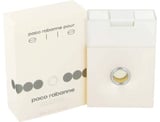 Paco Rabanne pour Elle
Paco Rabanne
Paco Rabanne pour Elle
Paco Rabanne
A later, even lighter and more aquatic reinterpretation of the original DNA.
Explore More
Similar Fragrances
Shares a similar bright, solar, and uplifting floral bouquet with prominent jasmine and ylang-ylang, though J'adore is more champagne-like and less citrus-forward.
 Chanel Cristalle Eau Verte
Chanel
Chanel Cristalle Eau Verte
Chanel
A classic citrus-herbal cologne with a bright, aromatic heart that evokes a similar carefree, sunny disposition.
 Guerlain Aqua Allegoria Flora Cherrysia
Guerlain
Guerlain Aqua Allegoria Flora Cherrysia
Guerlain
Clone Alternatives
While not a direct clone, it captures a similar spirit of a clean, bright, and pleasant floral musk at a very budget-friendly price point.
For the bright, sparkling citrus and clean floral opening, though it lacks the depth and lasting floral heart of the Paco Rabanne.
You May Also Enjoy
 Dolce & Gabbana Light Blue Eau Intense
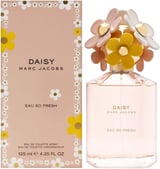 Marc Jacobs Daisy Eau So Fresh
 Estée Lauder Beautiful Belle
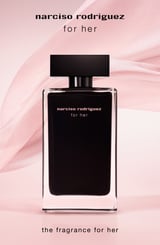 Narciso Rodriguez for Her Eau de Toilette
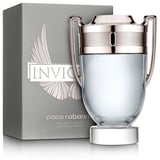 Invictus EDT
 Eau Paco Rabanne
 Pure Xs Night
 Invictus Victory Extreme
 Phantom
 1 Million
Layering Ideas
- A simple, clean vanilla solinote or body oil to enhance the sweetness and creaminess of the drydown.
- A sheer, salty skin scent (like Maison Margiela REPLICA Sailing Day) to amplify the aquatic, breezy feeling.
- A light, citrus-focused cologne (like 4711 Original Eau de Cologne) to boost the sparkling opening for extra freshness on extremely hot days.
Final Verdict
Paco Rabanne Pour Elle Eau D'Eté is more than just a summer fragrance; it's a mood captured in a bottle. It represents a specific, golden-hued nostalgia for summers that felt endless and full of promise. In a market now saturated with sugary gourmands and synthetic ambroxan bombs, this scent stands as a testament to the timeless appeal of a beautifully crafted, classical floral.
You should buy it if you crave a scent that feels both elegant and effortless, one that doesn't shout but sings a sweet, sunny melody. It’s for the woman who wants to smell put-together on a beach day, radiant at a garden wedding, or simply beautifully fresh while running errands under a summer sun. Its performance defies its category, offering a longevity that most modern "fresh" scents can only dream of.
Ultimately, this fragrance is an invitation to slow down and savor the simple pleasures of the warm seasons. It’s a spray of optimism, a burst of floral sunshine, and a reminder of the enduring power of a well-composed, joyful scent. For the price, it offers an experience that feels genuinely luxurious—a slice of Mediterranean heaven that is absolutely worth adding to your collection.