Petermann Bedat Reference 2941: The Modern Holy Grail
In the echo chamber of high horology, where every release is touted as a 'game-changer' and 'instant classic,' the Petermann Bedat Reference 2941 stands as a rare, authentic testament to the hype. It is a watch that has, in a few short years, achieved a mythical status that most brands can only dream of. This is not a watch you stumble upon in a boutique; it is a watch that finds you, and only if you are exceptionally well-connected and have a bank account to match.
For the sophisticated young collector—the wealthy collector with a discerning eye—the 2941 is the ultimate signal. It says you are beyond the realm of mainstream luxury, that you understand the deep, nerdy details of watchmaking. It is a conversation starter for the few who recognize it, and a discreet badge of honor for those who don't. It's the horological equivalent of a wine from a micro-château with a 100-point score from Robert Parker—except this wine is also a blue-chip investment.
A Manufacture Born from Obsession
Petermann Bedat is the brainchild of two young, obsessive watchmakers who met while working for a high-end restoration house. Their shared vision was not to create a brand, but to create a single, perfect watch. The Reference 2941 is that watch, a culmination of years of research into traditional finishing techniques and a deep respect for the history of chronometry. Their focus on a deadbeat seconds mechanism, a complication that has fascinated watchmakers for centuries, was a bold statement of intent. They were not here to play it safe; they were here to create a masterpiece.
The Movement: A Symphony in Steel
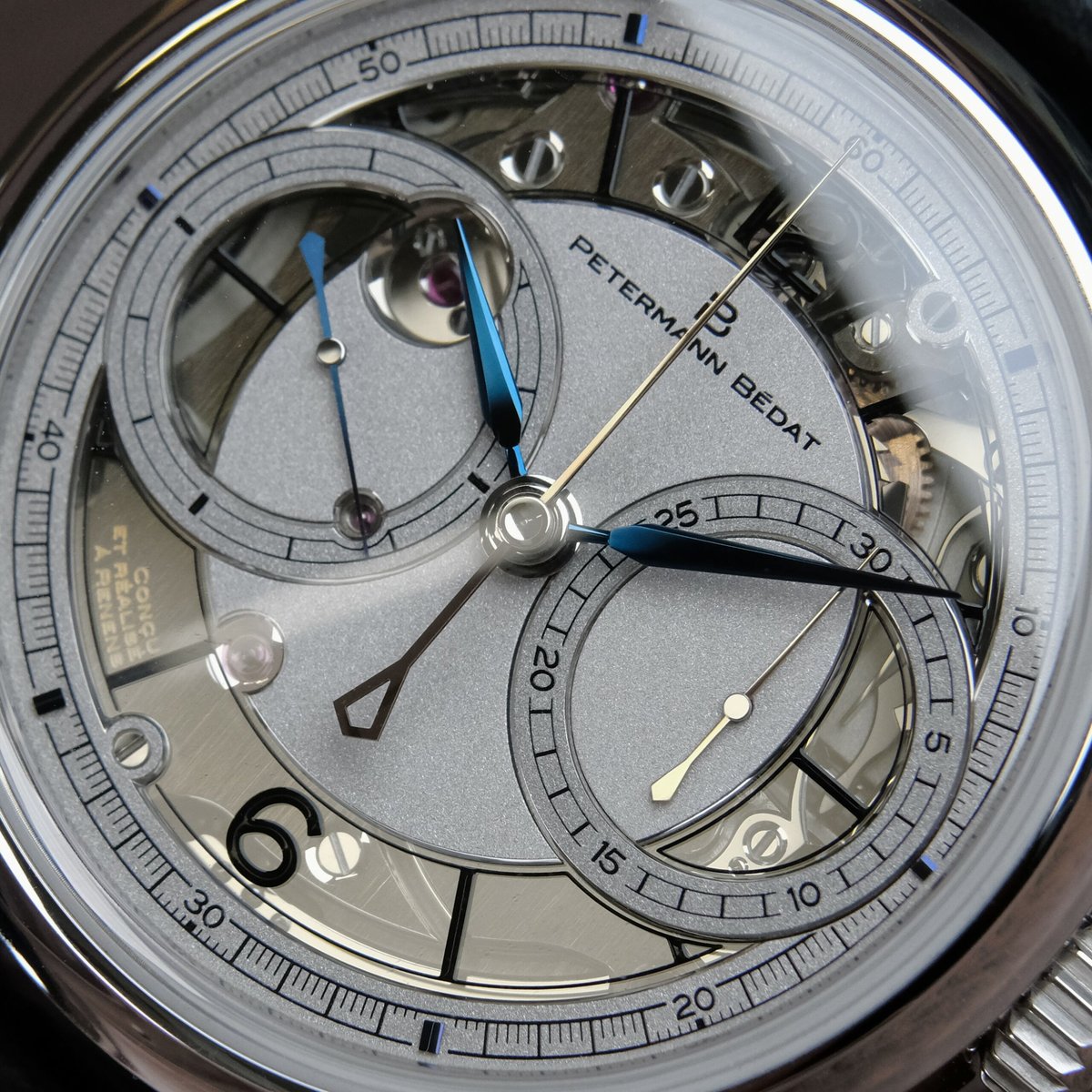
Turn the watch over, and you are treated to a view that is worth the price of admission alone. The Calibre 2941 is a manual-winding movement that is finished to an extraordinary standard. Every angle is beveled and polished to a mirror finish, the screws are black-polished, and the Geneva stripes are crisp and deep. The architecture is symmetrical and logical, with the deadbeat seconds mechanism integrated seamlessly into the gear train. The result is a movement that is as beautiful to look at as it is to operate. The deadbeat seconds hand, which ticks once per second like a quartz watch but with a mechanical heart, is a mesmerising sight and a nod to the precision that this movement achieves.
Investment Potential: A Blue-Chip Asset
Let's talk numbers, because for our target audience, that's what ultimately matters. The 2941 retails for around $120,000, but good luck getting one at that price. The pre-owned market is a different beast altogether, with examples trading between $250,000 and $350,000. That's a significant premium, but it's a premium that has been steadily increasing. The GPHG Chronometry Prize win in 2023 was the catalyst, but the fundamental drivers are simple: scarcity (28 pieces per year), exceptional quality, and a growing demand from a new generation of collectors who are looking beyond the 'Big Three' and want to own a piece of history. The auction record of CHF 280,000 in 2024 confirms that this is not a speculative bubble but a solid, appreciating asset.
Wearing the 2941: The Ultimate Quiet Luxury
On the wrist, the 2941 is a revelation. The 38.5mm platinum case is perfectly proportioned, and the watch slips under a shirt cuff with ease. It is a formal watch, yes, but it has a modern edge that makes it suitable for a range of occasions. The deep blue grand feu enamel dial is a work of art in itself, changing character with the light. The absence of lume and the 30m water resistance are reminders that this is a piece for the boardroom, not the beach. But for the collector who wears it, that is precisely the point. It is a tool for a specific purpose: to be the most refined, most beautiful, and most exclusive piece of mechanical art on the planet.
Verdict
The Petermann Bedat 2941 is more than a watch; it is a statement. It is a declaration that you are a serious collector, a connoisseur, and an investor. It is an heirloom in the making, a piece that will be passed down through generations. For those with the means and the connections, it is not a question of 'if' but 'when' you acquire one. And when you do, you won't just be buying a watch—you'll be securing a place in horological history.