Introduction
The Piaget Possession is not merely a timepiece; it is a talisman of modern elegance, a rotating bezel that invites touch and interaction. Since its debut in 1990, the collection has become synonymous with Piaget’s dual mastery of fine watchmaking and high jewelry. For the sophisticated young collector, the Possession offers a gateway into the maison’s world—a world where movement architecture meets gem-setting artistry, and where every detail is executed with the precision of a centuries-old tradition.
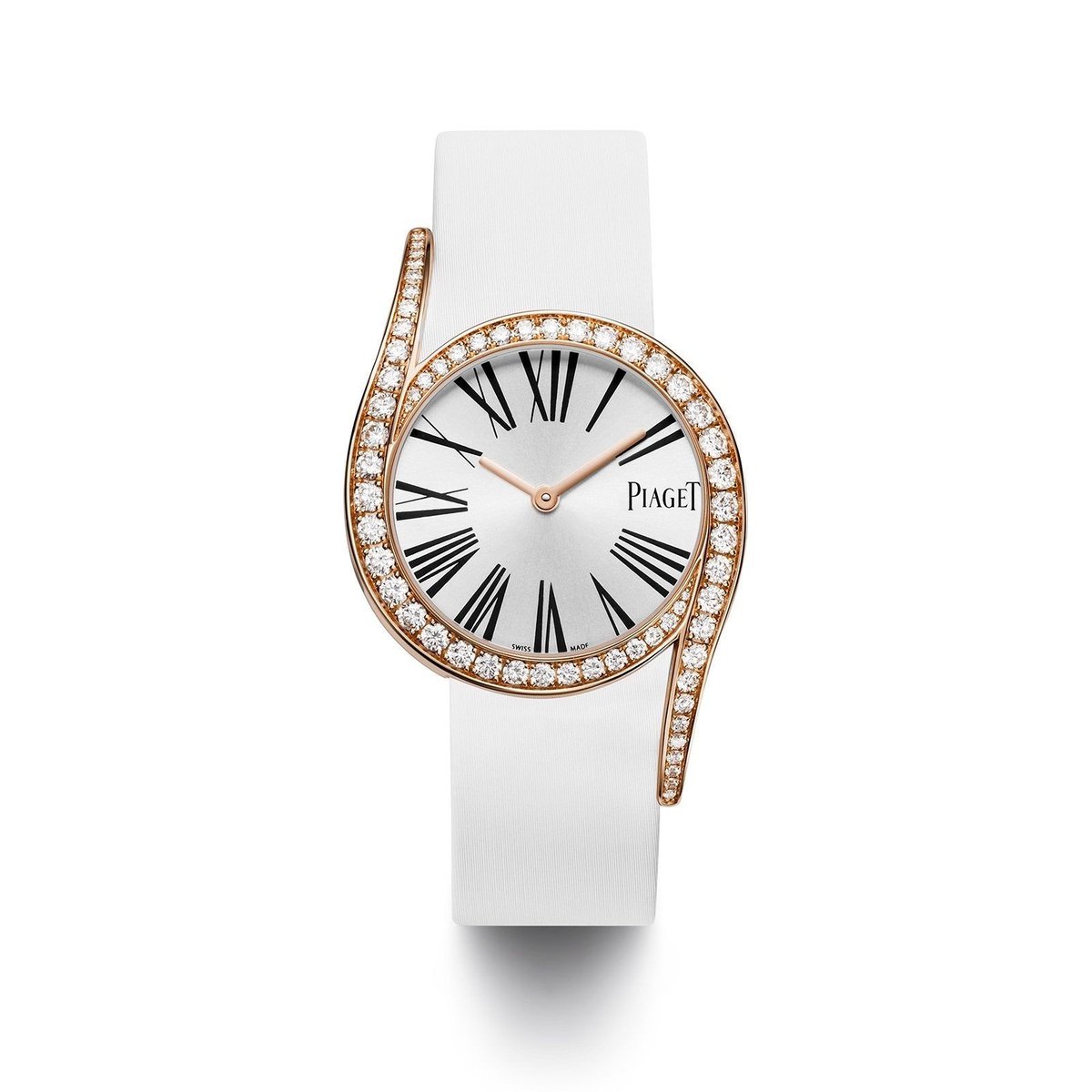
At first glance, the Possession appears deceptively simple: a round case, a single row of diamonds (or a gemstone) on the bezel, and a dial that prioritizes clarity over clutter. But the magic lies in the bezel’s ability to rotate freely, a tactile pleasure that transforms the watch into a fidget piece for the refined. This is not a tool watch; it is a piece of jewelry that tells time. And for those who appreciate the intersection of horology and adornment, the Possession is a masterclass in restraint and luxury.
In this review, we examine the Piaget Possession through the lens of a young collector—someone who values heritage, craftsmanship, and the quiet confidence of a watch that does not shout. We dissect its movement, its case architecture, its wrist presence, and its place in the broader landscape of luxury watches. Whether you are considering your first Piaget or adding to a growing collection, the Possession demands a closer look.
Manufacture History
Piaget was founded in 1874 by Georges Piaget in the Swiss Jura village of La Côte-aux-Fées. Initially a manufacturer of high-precision movements for other brands, Piaget gradually evolved into a fully integrated watchmaker and jeweler. The maison became renowned for its ultra-thin calibers in the mid-20th century, and later for its bold jewelry designs. The Possession line, launched in 1990, was a natural extension of Piaget’s expertise: a watch that is also a piece of jewelry, with a rotating bezel that invites the wearer to engage with it. Today, Piaget remains a family-owned brand under the Richemont group, producing both mechanical and quartz movements in-house.
Movement
The Piaget Possession is powered by an in-house quartz movement, a testament to the maison’s commitment to quality even in battery-powered calibers. While quartz movements are often dismissed by purists, Piaget’s version is no afterthought. The movement is assembled and regulated in-house, with perlage decoration on the bridges and a signed rotor that adds a touch of mechanical romance. The circuit is shielded against magnetic interference, ensuring reliable timekeeping. The battery life is approximately two years, and replacement is straightforward. For those who prefer mechanical movements, Piaget offers the Altiplano line, but the Possession’s quartz heart is perfectly suited to its jewelry-first identity.
Specifications
- Case Diameter: 36mm
- Case Thickness: 8.5mm
- Lug-to-Lug: 42mm
- Case Material: Stainless steel
- Crystal: Sapphire
- Water Resistance: 30m
- Lume: None
- Bracelet/Strap: Stainless steel bracelet
- Clasp: Folding clasp
Wrist Feel
The Piaget Possession wears with a lightness that belies its solid construction. At 36mm, it sits comfortably on a variety of wrist sizes, though it is decidedly a women’s watch in proportion. The case is slim at 8.5mm, allowing it to slide under a cuff with ease. The bracelet is supple, with H-links that articulate smoothly, and the folding clasp is secure without being bulky.
The rotating bezel is the star of the tactile experience. It clicks with a satisfying resistance, neither too loose nor too tight. The watch feels balanced on the wrist—not top-heavy, not too light. It is a piece that invites fidgeting, yet remains discreet enough for boardroom or ballroom. For daily wear, the 30m water resistance means hand-washing is fine, but swimming is not advised.
Accuracy
As a quartz watch, the Piaget Possession is exceptionally accurate, typically within ±15 seconds per month. In real-world use, you can set it once and forget it for months. The battery life of approximately two years means minimal maintenance, though a battery change is a simple affair. For those who prioritize precision over mechanical romance, the Possession delivers unwavering reliability.
Occasions
The Possession is versatile within its elegant scope. It shines at formal events, where its diamond bezel catches the light, and it is equally at home in daily wear, adding a touch of luxury to a blazer or a simple dress. It is not a sport watch, but it can accompany you on travel as a refined companion. Avoid water activities and heavy sports.
Wrist Presence
3/5 – The Possession is elegant but understated. Its rotating bezel and diamond accents catch the light, but the overall design is restrained. It does not dominate the wrist; rather, it complements the wearer’s style. For those who prefer a quiet luxury, this is ideal. For those who want a statement piece, consider the gem-set versions.
Reference Variants
- G0A43002: White mother-of-pearl dial, stainless steel bracelet, diamond bezel.
- G0A43003: Black lacquer dial, stainless steel bracelet, diamond bezel.
- G0A43004: Blue sunburst dial, stainless steel bracelet, diamond bezel.
- G0A43005: Pave diamond dial, stainless steel bracelet, full diamond-set.
Family References
The Possession line includes 29mm, 32mm, and 36mm variants, with options for gem-set bezels and various dial materials. The 36mm version reviewed here is the largest and most contemporary.
Other Notable Piaget Models
Piaget’s catalog includes the ultra-thin Altiplano (mechanical), the sporty Polo, the glamorous Limelight Gala, and the quirky Upstream. Each offers a different facet of Piaget’s expertise.
Similar Watches
- Cartier Panthère de Cartier: Both are jewelry-first watches with iconic design and a strong feminine identity.
- Chopard Happy Diamonds: Shares the playful rotating element (floating diamonds) and a focus on gem-setting.
- Bulgari Serpenti: Another high-jewelry watch with a distinctive, tactile design language.
Homages
Fashion brands like Olivia Burton offer rotating bezel designs at a fraction of the price, but they lack the craftsmanship, materials, and heritage of the Piaget. The Possession is in a class of its own.
Investment Value
The Piaget Possession is not a financial investment but a personal one. It holds value reasonably well for a quartz jewelry watch, especially if kept in excellent condition with box and papers. Do not expect appreciation; buy it for the pleasure of wearing it. Pre-owned prices range from $3,000 to $5,000, depending on condition and diamond quality. No major auction history.
Service Interval
Battery replacement is recommended every 2 years, costing around $100. For a full service (gasket replacement, cleaning), Piaget recommends an authorized service center every 5 years, costing approximately $300. The movement is robust and serviceable by any competent watchmaker.
Reference Number
G0A43002 (36mm, white mother-of-pearl dial, diamond bezel).
Price Range
$4,500–$8,000 depending on dial and gem-set options. The discerning buyer will appreciate the heritage and the tactile joy of the rotating bezel.
Pros and Cons
Pros
- Iconic rotating bezel that invites interaction
- Superb finishing and Piaget heritage
- Comfortable, lightweight wear for daily elegance
- Quartz accuracy with minimal maintenance
Cons
- Quartz movement may disappoint mechanical purists
- 30m water resistance limits active use
- Small case size may not suit all wrists
- Diamond bezel can be a scratch magnet
Final Verdict
The Piaget Possession is a masterful blend of jewelry and watchmaking, offering a tactile experience that few other watches can match. It is not for the tool-watch enthusiast, but for the collector who values elegance, heritage, and the quiet luxury of a rotating bezel. If you seek a piece that feels personal and refined, the Possession is a worthy companion.