Introduction
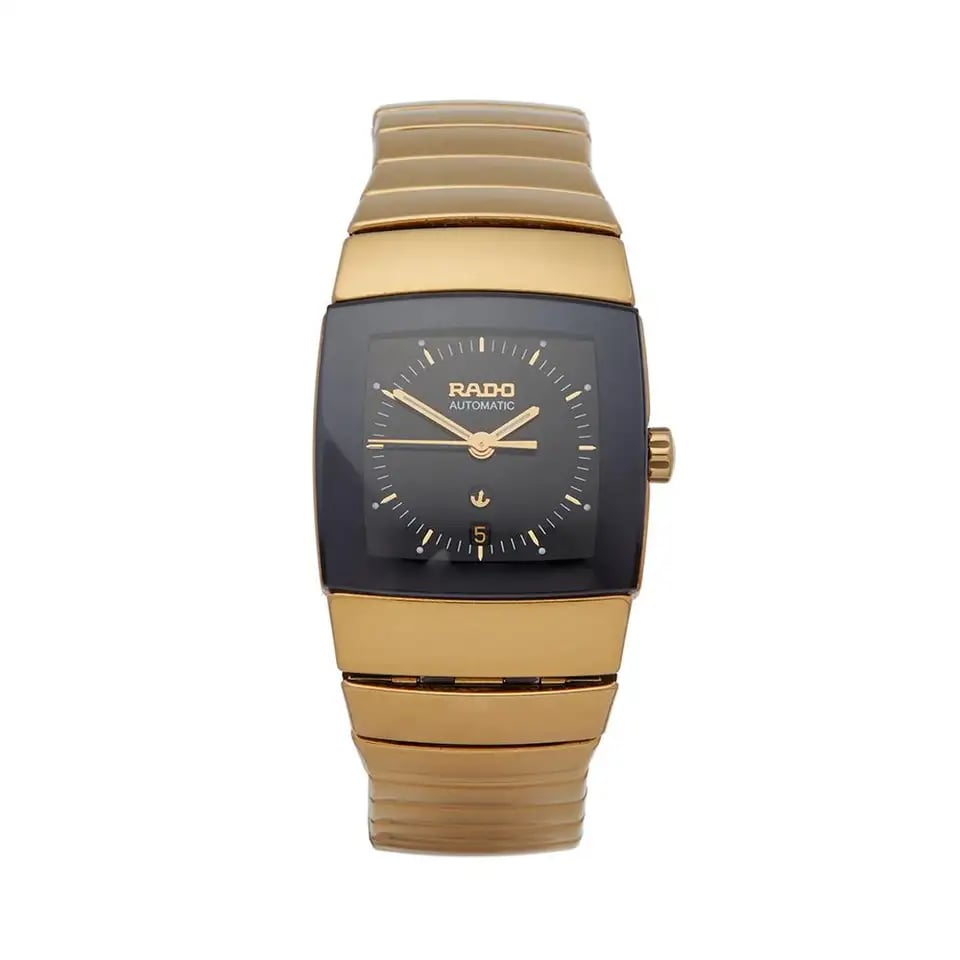
The Rado Sintra has always occupied a curious niche in the luxury watch world. It doesn't chase mechanical complexity, nor does it rely on heritage-inspired design cues. Instead, it leans entirely into what Rado does best: high-tech ceramic, sculpted into a seamless, monobloc case that shrugs off scratches like water off a duck's back. I spent a full week with the reference R13663162, a black ceramic model with a date window, and came away with a clear sense of who this watch is for—and who it isn't.
On paper, the Sintra reads like a dress watch: modest dimensions, a glossy black monobloc case, an integrated bracelet, and a simple three-hand dial with a date. But in practice, it wears more like a piece of modern jewelry that happens to tell time. The ceramic is cool to the touch, impossibly smooth, and so light that you might forget you're wearing it. That's either a blessing or a curse, depending on your expectations.
This review is written from the perspective of someone who actually wore the watch for seven consecutive days—through meetings, dinners, a weekend hike, and even a clumsy encounter with a doorframe. The Sintra emerged unscathed, which is more than I can say for my own wrist after a week of typing. Let's dig into the details.
Brand History
Rado was founded in 1917 in Lengnau, Switzerland, and has spent the last four decades pioneering the use of high-tech ceramic in watchmaking. The brand's obsession with scratch-resistant materials began in the 1980s with the introduction of the Rado DiaStar, and it has only intensified since. The Sintra line, launched in the early 1990s, was one of the first to feature a monobloc ceramic case—a single piece of ceramic with no separate bezel or caseback, making it virtually impervious to scratches. This model continues that legacy with a sleek, integrated design that feels as modern today as it did thirty years ago.
Movement
Inside the Sintra beats an ETA 956.112 quartz movement, a workhorse caliber found in countless Swiss watches. It offers hours, minutes, seconds, and a date display, with a frequency of 32,768 Hz and zero jewels. There's no decoration, no perlage, no blued screws—just pure, unadorned functionality. For a watch like this, that's entirely appropriate. The movement is accurate to within ±15 seconds per month, and the only maintenance it requires is a battery change every two to three years. If you're a mechanical purist, this will leave you cold. But if you want a grab-and-go luxury watch that never needs winding or setting, the quartz movement is a feature, not a bug.
Specifications
The case measures 33mm in diameter, 8.5mm thick, and 42mm lug-to-lug—dimensions that place it firmly in unisex territory. The entire case and bracelet are made from high-tech ceramic, a material that is nearly as hard as sapphire and completely resistant to scratches. The crystal is sapphire, and water resistance is rated at 30 meters, which means it can handle splashes but not submersion. There is no lume on the dial, which is a deliberate choice for a dress watch. The bracelet is integrated, meaning you cannot swap it for a leather strap or NATO, and it closes with a deployant clasp.
Wrist Feel
The first thing you notice when you strap on the Sintra is the weight—or rather, the lack of it. At just over 60 grams including the bracelet, it feels like wearing a silk ribbon. The ceramic is smooth and cool against the skin, and because there are no sharp edges or protruding lugs, it never catches on cuffs or scratches your wrist. The integrated bracelet flows directly from the case, creating a continuous curve that hugs the wrist.
However, the bracelet's articulation is limited. The links are short and stiff, so the watch tends to sit flat rather than wrapping around smaller wrists. On my 6.5-inch wrist, it was comfortable but occasionally slid around. On larger wrists, the 33mm case might feel dainty, and the bracelet may not drape as naturally. The deployant clasp is secure and easy to operate, but it adds a bit of bulk under the wrist. Overall, comfort is high for a dress watch, but the fit is not as forgiving as a traditional strap.
Accuracy
As a quartz watch, the Sintra delivers exactly what you'd expect: near-perfect timekeeping. Over my week of wear, it gained less than one second total—well within the typical ±15 seconds per month for this ETA caliber. You can set it and forget it, which is a refreshing change from mechanical watches that need daily winding or adjustment. The date changes crisply at midnight, and there's no perceptible lag.
Occasions
The Sintra is best suited for formal, dress, and daily wear. Its glossy black ceramic and minimalist dial make it an excellent companion for a suit or evening attire, but its scratch-proof nature means you don't have to baby it. I wore it with jeans and a t-shirt, and it didn't look out of place. It's not a sports watch—30m water resistance and no lume rule out swimming or hiking—but for office, dinner, or travel, it's a versatile choice.
Wrist Presence
On the wrist, the Sintra has a quiet but undeniable presence. The 33mm case is modest by modern standards, but the glossy black ceramic and integrated bracelet give it a sleek, jewelry-like quality that draws attention without shouting. It reads as refined and contemporary, and it pairs beautifully with both silver and gold jewelry. I'd rate it 3 out of 5 for wrist presence—noticeable to those who look closely, but not a conversation starter from across the room.
Reference Variants
The Sintra line offers several variations on the same monobloc ceramic theme. The reference R13663102 features a black dial without diamond hour markers, while R13663712 swaps the black ceramic for white and adds silver-tone hands. For those who want extra sparkle, R13663172 includes diamond-set indices. All share the same case dimensions, movement, and integrated bracelet design, differing only in dial color and gem-setting.
Family References
Within the Sintra family, you'll find the Sintra Jubile, which adds a more rounded case profile, and the Sintra XXL, a larger 38mm version for those who find the standard model too small. There is also a Sintra Automatic, which swaps the quartz movement for a mechanical caliber, though it is less common. These siblings share the same high-tech ceramic construction and integrated bracelet ethos.
Other Models by Rado
If the Sintra's dressy minimalism isn't your style, Rado offers plenty of alternatives. The Captain Cook is a vintage-inspired dive watch with a ceramic bezel and automatic movement. The True line features ultra-thin ceramic cases with a more organic shape. And the HyperChrome collection combines ceramic and steel for a sportier look. Each showcases Rado's mastery of materials, but the Sintra remains the purest expression of the brand's monobloc ceramic philosophy.
Similar Watches
For those drawn to the Sintra's ceramic construction, the Chanel J12 is an obvious competitor, offering a similar high-tech ceramic case and integrated bracelet with a more fashion-forward design. The Omega De Ville Prestige Ceramic provides a dressier alternative with a quartz movement and comparable dimensions. And the Longines Conquest V.H.P. Ceramic delivers quartz accuracy with a ceramic bezel, though it is larger and sportier. None of these match the Sintra's seamless monobloc case, but they occupy the same luxury ceramic niche.
Homages
Due to the unique monobloc ceramic case and integrated bracelet, there are no direct homages to the Rado Sintra on the market. The manufacturing process required to produce a single-piece ceramic case is expensive and proprietary, making it difficult for budget brands to replicate. As a result, the Sintra stands alone in its design language.
Investment Value
The Rado Sintra retails for around $1,800, and pre-owned examples typically sell for $600 to $1,200. Like most quartz watches, it depreciates steadily, but the ceramic case means that even well-worn examples look nearly new. This is not a watch to buy as an investment; it's a watch to buy for daily wear and enjoy for years. If you're a trust-fund buyer looking for a low-maintenance luxury piece, the Sintra offers excellent value for money, but don't expect it to appreciate.
Service
Servicing the Sintra is straightforward. The quartz movement requires a battery change every two to three years, which costs around $50 to $100 at any competent watchmaker. A full movement service is rarely needed, but if it is, expect to pay around $300. There's no need to send it to an authorized Rado service center; any reputable watchmaker can handle the job.
Pros and Cons
Pros: Virtually scratch-proof ceramic case and bracelet; extremely lightweight and comfortable; reliable quartz accuracy; distinctive integrated design.
Cons: Small 33mm case may feel dainty on larger wrists; integrated bracelet limits strap customization; quartz movement lacks horological interest; water resistance only 30m.
Final Verdict
The Rado Sintra is a triumph of materials science over mechanical romance. It wears like a piece of jewelry that can survive daily abuse, and for the right wrist, it's a sleek, modern statement. If you value comfort, durability, and low maintenance over movement finishing, this is an excellent choice. But if you crave a mechanical heartbeat or a larger presence, you'll need to look elsewhere.