Introduction
The Seiko Prospex Alpinist is a watch that needs no introduction in enthusiast circles, yet it continues to surprise. Originally launched in 1961 as Japan’s first purpose-built field watch for mountain climbers, the Alpinist has evolved through multiple generations—from the cult-favorite SARB017 to the current SPB series. Today, it sits at the intersection of heritage, affordability, and everyday versatility, making it a staple in any serious collection.
What makes the Alpinist so compelling isn’t just its rugged specs or its in-house automatic movement. It’s the way it bridges the gap between tool watch and dress piece—a rare feat in a market flooded with either dive watches or dress watches. The Alpinist works with a suit, a hiking jacket, or a t-shirt. It’s the watch you grab when you don’t know what you’ll be doing that day.
For the young collector who values authenticity over hype, the Alpinist offers a genuine piece of Seiko history without the inflated secondary market prices of a Rolex Explorer or Tudor Ranger. It’s a watch that rewards those who know—and a conversation starter for those who don’t.
Manufacture History
Seiko was founded in 1881 by Kintaro Hattori in Tokyo, Japan. The company produced its first wristwatch in 1913, and by the 1960s had established itself as a global force in horology. The Alpinist was introduced in 1961 as a professional-grade field watch for the Japanese Alpine Club, featuring a 30-meter water resistance and a compass bezel—a tool for mountaineers to navigate. Over the decades, the Alpinist evolved through various references, including the beloved SARB017 (2006-2018), which became a cult icon. In 2019, Seiko moved the Alpinist into the Prospex line with the SPB series, updating the movement to the 6R35 and increasing water resistance to 200 meters.
Movement
The heart of the current Alpinist is the Seiko Caliber 6R35, an automatic movement with 24 jewels, a frequency of 21,600 vibrations per hour, and a power reserve of 70 hours. This is an in-house movement, meaning Seiko designs and manufactures it entirely in its own facilities. The 6R35 is a step up from the earlier 6R15 found in the SARB017, offering a longer power reserve thanks to a larger mainspring. Finishing is utilitarian—perlage on the rotor, striped bridges, and a regulated balance—but it’s reliable and serviceable. It is not COSC-certified, but Seiko’s own accuracy standards are acceptable for the price point.
Specifications
- Case Diameter: 39.5mm
- Case Thickness: 12.9mm
- Lug-to-Lug: 46.4mm
- Case Material: Stainless steel
- Crystal: Sapphire with anti-reflective coating
- Water Resistance: 200 meters
- Lume: Seiko LumiBrite on hands and indices
- Bracelet/Strap: Brown leather strap (SPB121) or stainless steel bracelet (SPB155)
- Clasp: Pin buckle (leather) or stamped folding clasp (bracelet)
Wrist Feel
On the wrist, the Alpinist wears smaller than its 39.5mm diameter suggests, thanks to the compact lug-to-lug of 46.4mm. The case is well-proportioned, with a slight cushion shape that hugs the wrist. At 12.9mm thick, it’s not a slim dress watch, but the weight is balanced—neither top-heavy nor too light. The leather strap (on the SPB121) is stiff out of the box but breaks in quickly, and the signed pin buckle is simple and secure. For those who prefer steel, the SPB155 on bracelet offers a more robust feel, though the bracelet’s hollow end links and stamped clasp are a reminder of the price point. Overall, the Alpinist is comfortable for all-day wear, even under a shirt cuff if you don’t mind the slight bulk.
Accuracy
In real-world use, the 6R35 typically runs within -15 to +25 seconds per day, as per Seiko’s spec. Many examples perform better—around +5 to +10 seconds per day out of the box. However, positional variance can be noticeable; expect slightly faster when dial-up, slower when crown-down. For daily wear, it’s reliable enough to set once a week. If you need chronometer-level precision, the Alpinist isn’t that watch, but its charm lies in its mechanical character.
Occasions
The Alpinist is a true GADA (Go Anywhere, Do Anything) watch. It works for daily wear, outdoor adventures, travel, and even dressier occasions thanks to its refined dial and gold accents. The 200m water resistance means you can swim with it, and the sapphire crystal resists scratches. It’s not a dedicated dive watch, but it’s more than capable for most activities.
Wrist Presence
3.5/5. The Alpinist has a quiet confidence. The green sunburst dial (SPB121) catches light beautifully, and the gold accents add a touch of elegance. It’s not a flashy watch, but it draws the right kind of attention from those who notice details. On a NATO or rubber strap, it becomes more utilitarian; on leather, it dresses up surprisingly well.
Reference Variants
The current SPB series includes several dial and strap options. The SPB121J1 is the classic green dial with gold indices and a compass bezel. The SPB123J1 offers a cream dial with gold accents but no compass bezel. The SPB155J1 is a modern black dial on a steel bracelet, also without the compass. The SPB157J1 features a blue sunburst dial, and the SPB159J1 has a textured green dial on a bracelet. Each variant caters to different tastes while retaining the Alpinist DNA.
Family References
The Alpinist family includes the legendary SARB017 (2006-2018), the SARB013 (cream dial), SARB015 (black dial), and the earlier SCVF007 from the 1990s. These predecessors are highly sought after on the secondary market, often commanding prices above their original MSRP.
Other Notable Seiko Models
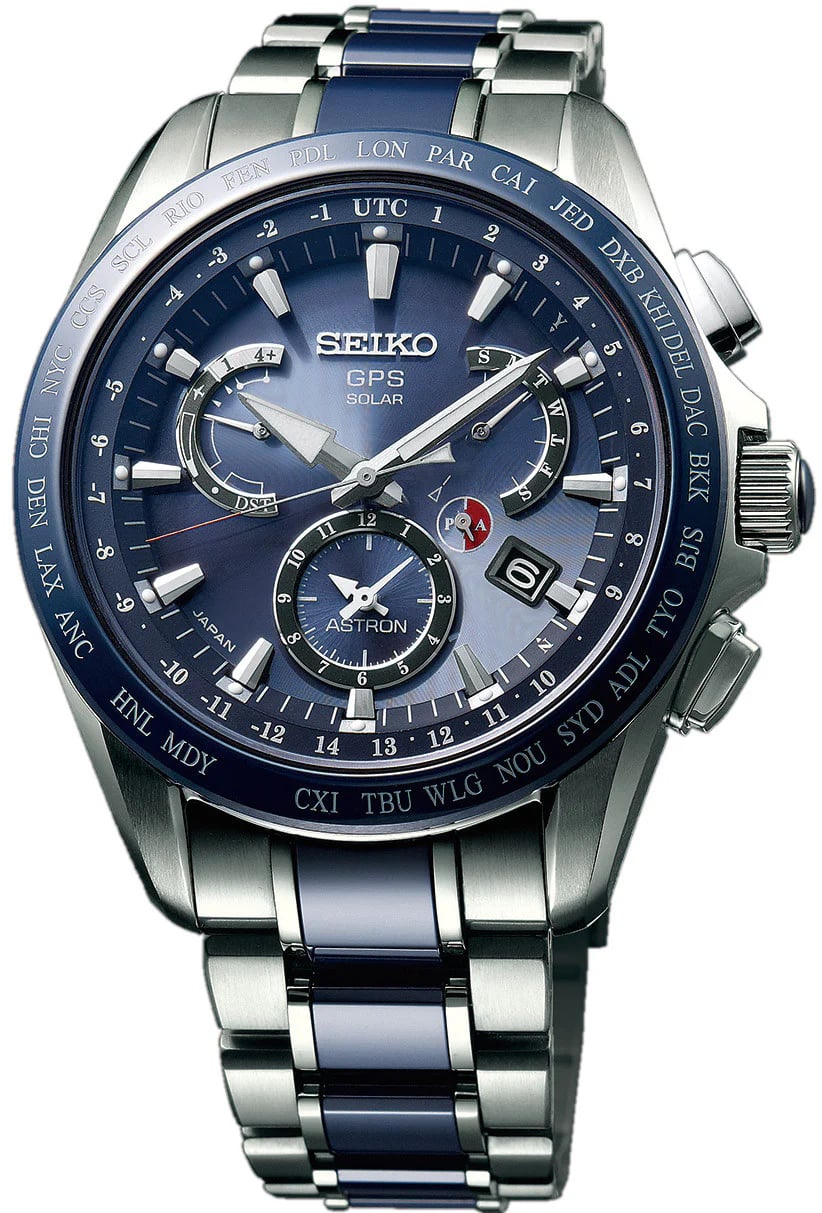
Seiko’s Prospex line also includes the Turtle, Samurai, and Sumo dive watches, as well as the 5 Sports series (SKX, SRPD) and the Presage Cocktail Time. For those interested in high-end quartz, the Astron GPS Solar is a technological marvel.
Similar Watches
In the field watch category, the Rolex Explorer I (Ref. 124270) is the ultimate benchmark but costs over $7,000. The Tudor Ranger (Ref. 79950) offers a similar heritage with an in-house movement for around $3,000. The Hamilton Khaki Field Mechanical is a more affordable hand-wound option with military roots, but lacks sapphire crystal and water resistance.
Homages
Several microbrands offer Alpinist homages. The San Martin SN004-G features a green dial, compass bezel, and NH35 movement for around $180. The Addiesdive AD2101 is a budget option at $80 with similar specs. These are not substitutes for the real thing but offer the look at a fraction of the price.
Investment Value
The Alpinist has an MSRP of $725 and typically sells for that amount at retail. Pre-owned prices range from $500 to $700 depending on condition and variant. The trend is stable—the Alpinist holds its value well but does not appreciate significantly. It’s a watch to buy for enjoyment, not speculation. Auction history is minimal; no major sales have been recorded.
Service Interval
Seiko recommends servicing every 5 years. The cost is approximately $250 at an authorized service center or a reputable independent watchmaker. The 6R35 is a common movement, so parts and expertise are widely available.
Pros and Cons
Pros: In-house movement with 70-hour power reserve, 200m water resistance, sapphire crystal, iconic design, versatile style.
Cons: Stiff leather strap, hollow end links on bracelet, inconsistent accuracy, compass bezel is a gimmick, small crown.
Final Verdict
The Seiko Prospex Alpinist is a modern classic that delivers genuine heritage, robust specs, and everyday wearability at a price that undercuts its Swiss rivals. It’s not perfect—the bracelet and strap quality show cost-cutting—but the core watch is outstanding. For the young collector who wants a watch that tells a story without screaming for attention, the Alpinist is an easy recommendation.