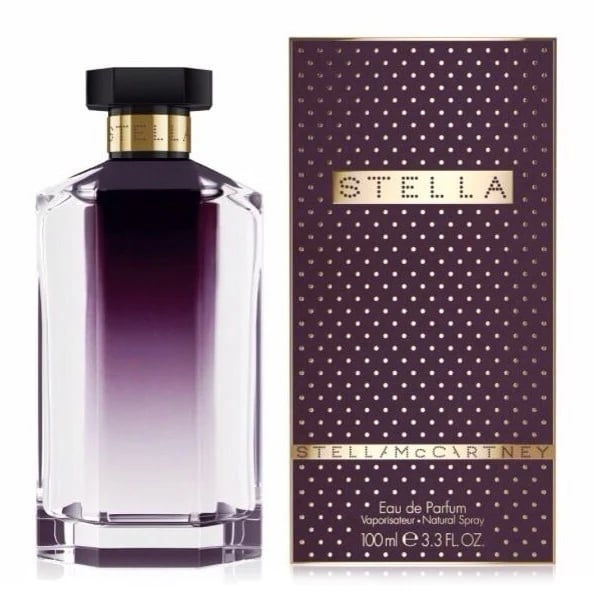
Stella McCartney Stella by Stella McCartney
In this review
In the crowded landscape of early-2000s perfumery, where gourmands and syrupy florals reigned, Stella McCartney's eponymous debut fragrance arrived as a breath of fresh air. Launched in 2003, Stella was a deliberate departure from the era's excess—a rose so pure and unadorned that it felt almost radical. Created by master perfumer Jacques Cavallier Belletrud, the fragrance was conceived as an olfactory portrait of the modern woman: confident, understated, and effortlessly elegant.
What makes Stella remarkable is its refusal to conform. While many rose fragrances of the time leaned heavily on jammy sweetness or powdery nostalgia, Cavallier Belletrud stripped the flower to its essence, pairing it with a crisp mandarin top note and a warm amber base. The result is a scent that feels both timeless and contemporary—a rose that blooms in the daylight but lingers into the evening with a quiet sensuality.
Two decades later, Stella remains a benchmark for minimalist rose compositions. Its moderate performance and versatile character have earned it a devoted following among those who seek a signature scent that is neither loud nor forgettable. In this review, we will dissect its composition, evolution, and enduring appeal, drawing on verified data and scholarly analysis.
Accords
Notes Pyramid
Scent Journey
The first spray delivers a bright, citrusy burst of mandarin orange, immediately softened by a dewy peony accord. Within minutes, the rose emerges—not as a heavy, dark bloom, but as a translucent, almost watery petal. The opening is fresh, clean, and slightly tart, lasting about 15–20 minutes before the heart takes over.
By the one-hour mark, the mandarin and peony have receded, leaving the rose in full focus. This is a soliflore rose, but not a simple one: Cavallier Belletrud uses a blend of rose absolutes and extracts to create a multifaceted character—slightly green, subtly honeyed, and never cloying. The heart is intimate and linear, with the rose remaining the star for the next two to three hours.
After four hours, the rose begins to fade into a warm, powdery amber base. The amber is soft and skin-like, with a faint sweetness that echoes the rose's honeyed facets. The drydown is subtle and close-wearing, lasting another three to four hours as a gentle, comforting scent that feels like a second skin.
Performance Dashboard
Moderate to long; 6–8 hours on skin, longer on clothing.
Moderate; projects about an arm's length for the first two hours, then settles closer.
Moderate; leaves a soft trail within arm's length, not overwhelming.
When to Wear
Pros & Cons
- ✅ Beautiful, natural-smelling rose that avoids synthetic sharpness
- ✅ Versatile for both day and night, office and casual
- ✅ Excellent value for a designer fragrance at $50–$100 for 100ml
- ❌ Moderate projection may not satisfy those who prefer strong sillage
- ❌ Linear development may feel too simple for some fragrance enthusiasts
- ❌ Limited longevity on dry skin; requires reapplication for all-day wear
Price & Value
“A worthy investment for rose lovers seeking an affordable, elegant signature scent.”
Reformulation History
No significant batch variations reported; the formula has remained consistent since launch.
Who It's For
Ideal For
- Women who appreciate a classic, elegant rose with a modern twist
- Those seeking a versatile signature scent for daily wear
- Fans of minimalist, transparent florals
Not Recommended For
- Those who prefer bold, sweet gourmands or heavy orientals
- Individuals who dislike rose-centric fragrances or find them too feminine
The Family
Explore More
Similar Fragrances
You May Also Enjoy
 Portrait of a Lady
 Rose 31
 Eau Rose
More from Stella McCartney
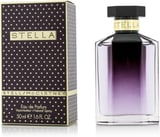 Stella Eau de Parfum
 Pop EDP
Layering Ideas
- Layer with a vanilla body lotion to add warmth and sweetness to the drydown.
- Combine with a musk-based fragrance like Kiehl's Original Musk for a more intimate, skin-like effect.