TAG Heuer Monaco Chronograph 2026 – A Titanium‑Powered Tribute to an Icon
By Vivir··Updated
# TAG Heuer Monaco Chronograph 2026 – A Titanium‑Powered Tribute to an Icon
The 2026 Monaco Chronograph arrives as a clear statement: TAG Heuer is willing to rewrite the playbook of its most recognizable sports‑watch while staying faithful to the square silhouette that made the model legendary in 1969. The new reference CDW2181.FC8360 swaps the traditional stainless‑steel case for Grade 5 titanium, introduces the in‑house Calibre TH20‑11 automatic chronograph and offers a fresh blue‑opaline dial with red accents. At a retail bracket of **$9,350 – $13,050**, the watch sits at the top end of the brand’s current line‑up, promising a blend of heritage, modern ergonomics and technical upgrades. Below we break down how the watch performs in four key areas that matter to collectors and everyday wearers alike.
## Design & Case
| Specification | Detail |
|---------------|--------|
| **Case size** | 39 mm (square) |
| **Material** | Grade 5 titanium |
| **Crystal** | Sapphire (case‑back also sapphire) |
| **Dial** | Blue opaline with red accents, luminous hands |
| **Strap** | Perforated black calfskin, titanium folding clasp |
| **Water resistance** | 100 m (330 ft) |
| **Reference** | CDW2181.FC8360 |
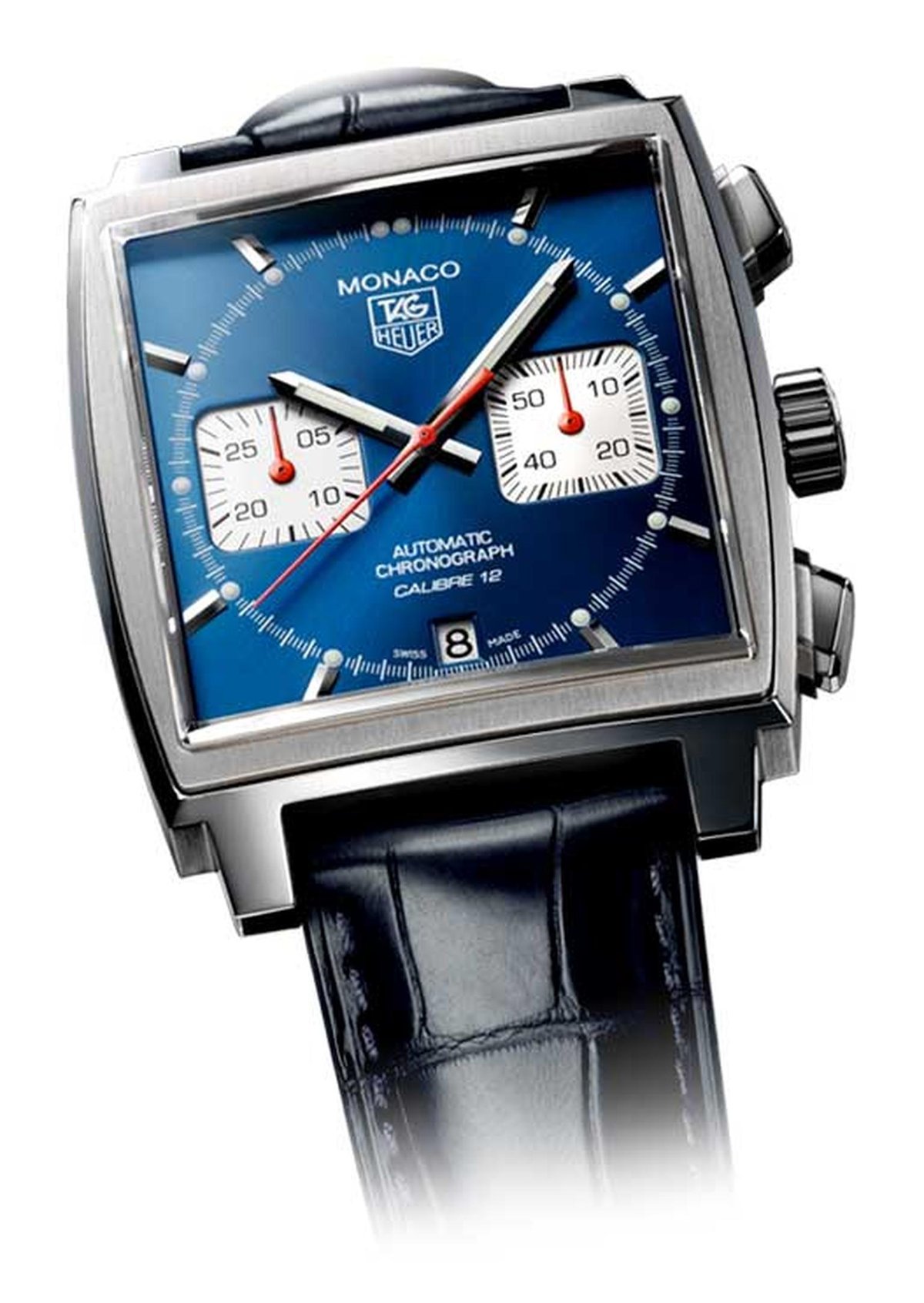
The Monaco’s square 39 mm footprint is unchanged, but the switch to Grade 5 titanium dramatically reduces the watch’s weight while adding a subtle, matte‑metallic finish that differs from the gleaming steel of earlier editions. TAG Heuer describes the case as “lightness, durability, and ergonomic comfort,” and reviewers confirm that the titanium construction makes the sizeable square silhouette feel less burdensome on the wrist.
The blue opaline dial retains the iconic “blue‑and‑red” palette that first defined the Monaco, but the new finish is smoother, and the red accents (sub‑dials and chronograph counters) pop against the matte background. Luminous hands improve legibility in low light, a practical upgrade over the original’s non‑luminescent markers.
A perforated black calfskin strap adds a sporty, breathable element, while the titanium folding clasp offers a sleek closure. However, the clasp’s sizing mechanism has been noted as finicky, making precise adjustment a bit of a chore for owners who prefer a perfect fit.
Overall, the design respects the 1969 racing‑inspired aesthetic—left‑hand crown, bi‑compax layout, and square case—while the titanium case and refined dial colors give the piece a contemporary edge that should appeal to both purists and newcomers.
## Movement & Performance
| Specification | Detail |
|---------------|--------|
| **Movement** | Calibre TH20‑11 (automatic chronograph) |
| **Frequency** | 28,800 vph (high‑frequency) |
| **Power reserve** | 80 hours |
| **Chronograph** | Bi‑directional winding, 2‑push operation |
| **Water resistance** | 100 m |
| **Chronometer certification** | None reported |
The heart of the new Monaco is TAG Heuer’s in‑house Calibre TH20‑11. It is a fully automatic chronograph that winds bi‑directionally and delivers a respectable 80‑hour power reserve—identical to the original Calibre 11 but achieved in a more compact, titanium‑friendly architecture. The movement runs at 28,800 vph, which translates to a smoother sweep of the seconds hand and more precise chronograph timing.
While the movement is praised for reliability and “precision and reliability” in official statements, TAG Heuer does **not** list a COSC chronometer certification for the TH20‑11. For buyers who prioritize certified accuracy, this omission is a minor drawback, especially given the price point. Nonetheless, the automatic winding system and the 80‑hour reserve provide everyday convenience: the watch can sit idle over a weekend and still be ready to run when you need it.
The sapphire case‑back offers a glimpse of the movement’s finishing, a nice visual bonus for enthusiasts who enjoy peeking at the inner workings.
## On the Wrist
The Monaco’s square geometry inevitably draws attention, and the 39 mm dimension can feel larger than it sounds, particularly on smaller wrists. Reviewers note that despite the titanium’s lightweight nature, the watch “appears larger on the wrist than its 39 mm dimensions suggest.” The case’s profile has been subtly re‑engineered to be slimmer than previous steel versions, improving comfort for those who found the original a bit bulky.
Lug‑to‑lug measurements are not disclosed, but the overall ergonomics benefit from the titanium’s thin walls, allowing the watch to sit closer to the skin without a pronounced “boxy” feel. The left‑hand crown, a signature Monaco trait, remains at 9 o’clock, while the chronograph pushers sit at 2 and 4 o’clock, preserving the classic layout.
The perforated calfskin strap breathes well and adds a tactile contrast to the metal case, but the titanium folding clasp can be tricky to size precisely. Users may need to experiment with the clasp’s micro‑adjustments or consider a third‑party strap for a more secure fit.
Water resistance of 100 m makes the Monaco practical for everyday wear, including swimming and light snorkeling, though it is not intended for serious diving. The luminous hands and sub‑dial markers ensure readability in low‑light environments, a useful feature for a chronograph that may see use on the racetrack or the golf course.
## Value & Verdict
The 2026 Monaco sits between **$9,350 and $13,050**, a noticeable jump from the roughly $8,500 price tag of earlier steel‑case versions. The price increase reflects three primary factors: the premium Grade 5 titanium case, the new in‑house Calibre TH20‑11, and the refined dial options.
From a value perspective, the titanium case delivers genuine ergonomic benefits—lightness, durability, and a hypoallergenic surface—making the higher cost defensible for those who value comfort and a modern material palette. The movement, while not chronometer‑certified, offers an 80‑hour reserve and a high‑frequency beat that rival many mid‑range chronographs.
However, the watch’s bold square silhouette limits its versatility. It “may not suit formal attire,” and the larger visual presence can feel out of place on petite wrists. Additionally, the lack of a chronometer certification and the relatively high price compared with previous steel models may give pause to collectors who prioritize technical pedigree over material novelty.
**Final take:** The 2026 TAG Heuer Monaco Chronograph is a well‑executed evolution of an icon. Titanium brings a fresh, lightweight feel to a case that has historically been heavy, and the Calibre TH20‑11 supplies solid performance without sacrificing the classic aesthetic. If you are drawn to the Monaco’s racing heritage, appreciate the tactile difference of titanium, and are comfortable with a premium price tag, this model offers a compelling blend of history and modernity. For those seeking a more understated, chronometer‑certified chronograph, the price may feel steep, but for the enthusiast who wants the unmistakable square Monaco look with contemporary ergonomics, the 2026 edition earns a solid **8/10** in our rating.