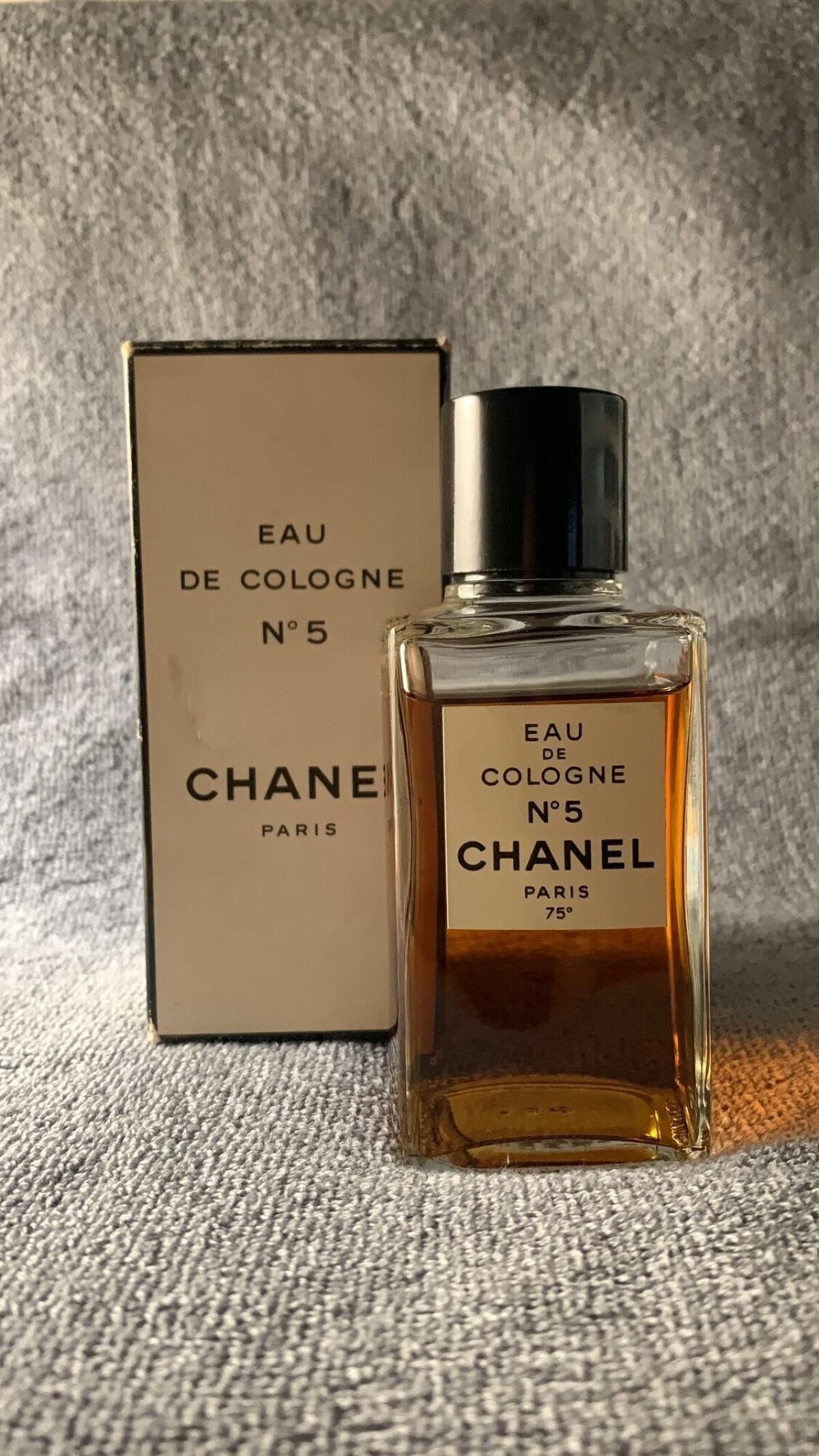
Chanel No 5 Eau de Cologne
In this review
Before the ubiquitous Eau de Parfum and the standard Eau de Toilette, there was Chanel No. 5 Eau de Cologne. Launched in 1921 alongside the pure Parfum, this was the original, lighter iteration of the world’s most famous fragrance. It was designed for lavish, daily application. Today, it is a ghost. Discontinued for decades, the EDC is now the exclusive domain of collectors and vintage hunters. This is not a fragrance you will find at a department store counter. This report is for those who want to understand a piece of perfume history—what it smells like, how it performs, and whether it’s worth tracking down.
Chanel No. 5 was a revolution. In an era of simple, single-note floral soliflores, Coco Chanel tasked perfumer Ernest Beaux with creating a scent that was abstract and artificial. She wanted a perfume that smelled like a woman, not a rose. Beaux delivered with a groundbreaking overdose of aldehydes—synthetic molecules that add an effervescent, sparkling, and clean quality. The EDC was the most accessible way to experience this revolution. It was positioned as a brighter, crisper, and more versatile version of the dense, formal Parfum, suitable for morning application and daytime wear.
The concept was simple: luxury for every day. While the Parfum was for grand evenings, the Eau de Cologne was for the modern woman on the go. It was sold in large, utilitarian splash bottles, meant to be used with abandon. The scent itself, while sharing the iconic No. 5 DNA, had its own distinct character. Vintage formulations, particularly those pre-1980s, possess a depth and complexity from ingredients that are now heavily restricted or banned, such as real oakmoss and natural civet. This gives the EDC a unique profile that cannot be replicated today.
For fragrance enthusiasts, the No. 5 Eau de Cologne is a holy grail. It represents the original vision in its most radiant form. Its cultural impact is tied to the broader No. 5 legend, but among connoisseurs, it holds a special place. It is often described as more nuanced, more animalic, and more interesting than its modern counterparts. It is a tangible link to the golden age of perfumery and a benchmark against which all other aldehydic florals are measured. This review will dissect the scent and determine its place in a modern collection.
The Nose Behind the Scent
Ernest Beaux, a legendary Russian-born French perfumer who served the Russian royal court before creating Chanel's most iconic fragrances, including No. 22 and Cuir de Russie.
Accords
Notes Pyramid
Scent Journey
A brilliant, effervescent burst of soapy aldehydes and sharp bergamot. It is significantly brighter and more citrus-focused than any modern version of No. 5.
The aldehydes soften into a powdery, abstract floral heart led by iris and a clean jasmine. It feels blended and sophisticated, never overtly a 'floral' scent.
The legendary vintage base emerges. A dry, earthy oakmoss combines with creamy sandalwood and a warm, skin-like animalic note from civet. This phase is complex and intimate.
Performance Dashboard
Lasts 4-6 hours on skin. This is standard for a vintage Eau de Cologne concentration and should not be compared to modern EDPs.
Projects within arm's length for the first hour, then quickly settles into a personal skin scent. It is not designed to be loud.
Leaves a very subtle trail. It is noticeable only in close proximity and is intended for the wearer's personal enjoyment.
When to Wear
Pros & Cons
- ✅ A brighter, more complex version of the No. 5 DNA
- ✅ The vintage oakmoss and civet drydown is unparalleled
- ✅ Represents a wearable piece of perfume history
- ✅ Considered by collectors to be the truest No. 5 expression
- ✅ Subtle and elegant for daily wear
- ❌ Discontinued and very difficult to find in good condition
- ❌ Performance is modest by modern standards
- ❌ High prices on the secondary market
Price & Value
“Worth the investment for its historical significance and unique scent, but not as a practical daily fragrance unless you are a dedicated collector.”
Reformulation History
Discontinued product. Bottles from the 1950s-1970s are most sought after for their high-quality, now-restricted ingredients like real oakmoss and natural civet. Scent can vary based on age and storage; well-preserved bottles are key.
Accords
Notes Pyramid
Scent Journey
A radiant burst of aldehydes, less sharp than other concentrations, with the rich sweetness of ylang-ylang and bright notes of neroli and bergamot, creating an effervescent yet opulent introduction.
A breathtaking floral bouquet unfolds, with Grasse jasmine and May rose lending velvety richness, complemented by the sophisticated, slightly waxy depth of iris and orris root.
A warm and sensual embrace of creamy sandalwood, soft vanilla, and golden amber, intertwined with earthy vetiver and oakmoss. The distinct warmth of civet and musk provides a sensual, skin-like undertone.
Performance Dashboard
Exceptional longevity, often lasting 10-12+ hours.
Strong projection for the first several hours, then settles into a noticeable presence.
A rich and noticeable trail that is luxurious without being overwhelming.
When to Wear
Pros & Cons
- ✅ Purest and most concentrated form
- ✅ Deepest and richest scent profile
- ✅ Exceptional longevity and sillage
- ✅ The most luxurious and complex experience
- ❌ Highest price point
- ❌ Can be too intense for some
- ❌ Less versatile for everyday wear compared to lighter concentrations
Price & Value
“The highest price point, reflecting its concentration and artistry, offering the most profound experience.”
Reformulation History
While modern formulations aim for consistency, older batches of the Parfum may exhibit a richer, more indolic quality, particularly from the jasmine. Reformulations due to ingredient regulations (like oakmoss and civet) have occurred over decades, though the Parfum is considered the closest to the original intent.
Accords
Notes Pyramid
Scent Journey
The fragrance opens with a vibrant, effervescent burst of aldehydes, brightened by citrus notes and the rich sweetness of ylang-ylang and neroli.
The heart develops into a magnificent floral bouquet, with prominent notes of rose and jasmine, softened by iris and lily-of-the-valley, creating a classic, powdery floral core.
The drydown settles into a warm, woody, and subtly animalic base, featuring sandalwood, vetiver, and a touch of vanilla, amber, and civet, providing depth and a lasting, sensual trail.
Performance Dashboard
Moderate longevity, typically lasting 4-6 hours, becoming a skin scent thereafter.
Moderate projection for the first 1-2 hours, then softening to a more intimate presence.
Leaves a noticeable but not overwhelming trail, suitable for close encounters.
When to Wear
Pros & Cons
- ✅ Iconic and timeless scent
- ✅ Lighter and brighter than the Eau de Parfum
- ✅ Elegant and sophisticated
- ✅ Versatile for day or evening wear outside of extreme heat
- ❌ Higher price point
- ❌ Longevity may require reapplication for all-day wear
- ❌ Can be perceived as 'old-fashioned' by some
- ❌ Reformulations have led to perceived changes in strength over time
Price & Value
“A classic at a premium price point, offering a lighter, brighter interpretation than the EDP.”
Reformulation History
Chanel No. 5, including the Eau de Toilette, has undergone reformulations over the years due to evolving regulations and ingredient availability. While efforts are made to preserve the original essence, some users report subtle differences in scent and performance compared to vintage versions.
Accords
Notes Pyramid
Scent Journey
The initial spray delivers a strong burst of aldehydes, creating a bright and effervescent, almost 'soapy' impression. This is quickly accompanied by a blend of ylang-ylang, neroli, bergamot, and a distinct peach note, which adds a touch of sweetness not present in the Eau de Cologne.
As the aldehydes settle, the fragrance transitions into its opulent floral heart. Rich notes of jasmine, May rose, iris, and lily-of-the-valley emerge, forming a complex and powdery bouquet. The florals are well-blended, with no single note dominating.
The drydown is warm, creamy, and sensual, with prominent bourbon vanilla adding a smooth sweetness. Sandalwood provides a woody depth, while oakmoss, patchouli, and vetiver contribute an earthy, slightly musky finish. It becomes a cozy and elegant skin scent that lingers for hours.
Performance Dashboard
Lasts 7-12 hours, often noted for its extended wear time.
Offers moderate to strong projection for several hours, creating a noticeable aura without being overwhelming.
Leaves a heavy and elegant trail, ensuring a lasting impression.
When to Wear
Pros & Cons
- ✅ Richer and more voluminous scent than Eau de Cologne.
- ✅ Significantly better longevity and projection.
- ✅ More complex and sensual drydown with prominent vanilla.
- ✅ Considered a classic, sophisticated, and elegant fragrance.
- ❌ Higher price point.
- ❌ Aldehydic opening can be polarizing for some.
- ❌ Less versatile for casual wear compared to lighter versions.
- ❌ Can be perceived as heavy by some users.
Price & Value
“The higher price point is justified by its superior concentration, richer scent profile, and excellent performance compared to lighter concentrations.”
Reformulation History
The Eau de Parfum was reinterpreted by Jacques Polge in 1986. Like many classic fragrances, it has likely undergone subtle reformulations over the years due to changes in ingredient availability and regulations, particularly concerning natural components like oakmoss and musks.
Who It's For
Ideal For
- Collectors of vintage fragrances
- Fans of classic perfumery
- Individuals who appreciate subtle, complex, and historical scents
Not Recommended For
- Those seeking high projection and longevity
- Anyone who dislikes powdery or animalic notes
- Buyers looking for an easily accessible fragrance
The Family
 No. 5 Eau Première
 No. 5 l'Eau
Explore More
Similar Fragrances
 Lanvin Arpège (Vintage)
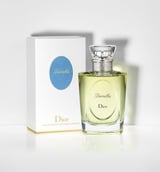 Guerlain Liu
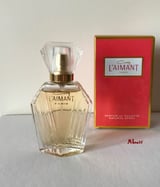 Coty l'Aimant
You May Also Enjoy
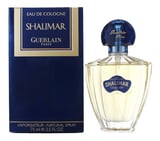 Guerlain Shalimar (Vintage)
Guerlain
Guerlain Shalimar (Vintage)
Guerlain
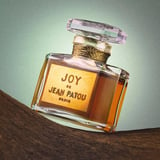 Jean Patou Joy (Vintage)
Jean Patou
Jean Patou Joy (Vintage)
Jean Patou
A classic aldehydic floral with a similar elegant and sophisticated character.
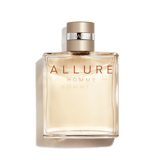 Allure Homme Eau de Toilette
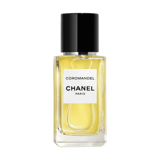 Coromandel (Les Exclusifs de Chanel)
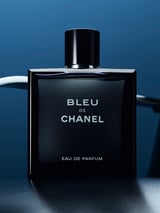 Blue de Chanel Eau de Parfum
 Sycomore EDP
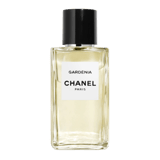 Gardenia (Les Exclusifs de Chanel)
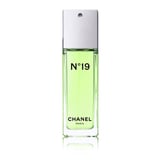 No. 19 EDT
Layering Ideas
- A single-note sandalwood oil to amplify the base.
- A light, non-sweet musk to extend the drydown.
- Best worn solo to appreciate its historical composition.
Final Verdict
Chanel No. 5 Eau de Cologne is a time capsule. It is a snapshot of a different era of perfumery, one that valued complexity and high-quality natural materials. You should buy it if you want to understand the roots of modern perfumery and experience the No. 5 legend in its most radiant, nuanced form. The thrill of the hunt is part of the appeal, but the reward is a scent that is both historically significant and eminently wearable.
This is not a practical purchase. It is an indulgence for the curious and the passionate. It is the fragrance equivalent of owning a first-edition novel or a vintage watch. It may not be the loudest or the longest-lasting scent in your collection, but it will almost certainly be the most special. For those who value art and history in a bottle, the search is well worth the effort.
More fragrances we love
Sponsored picks
Ready to experience Chanel No 5 Eau de Cologne?
Buy on AmazonAs an Amazon Associate, Vivir earns from qualifying purchases.