Chanel N05 Vintage
In this review
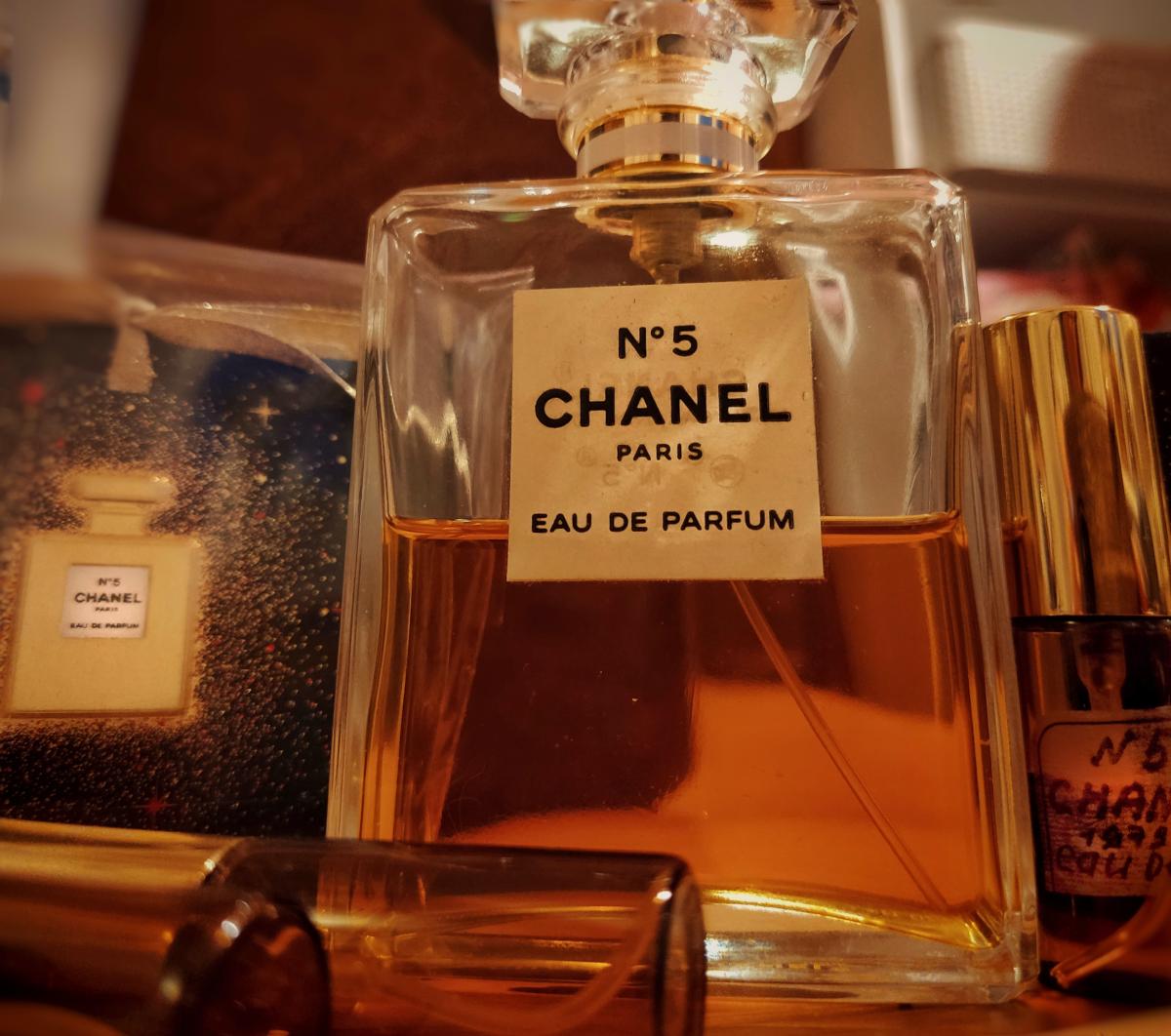
Let's be clear. We are not talking about the bottle of Chanel No. 5 you can buy today at a department store. We are talking about the original legend. This is a review of vintage Chanel No. 5, specifically formulations from the mid to late 20th century, before major international regulations altered its soul. This is the scent that built an empire, the fragrance Marilyn Monroe wore to bed. Understanding vintage No. 5 is understanding a piece of history.
Launched in 1921, Chanel No. 5 was a revolution. Gabrielle "Coco" Chanel wanted a fragrance that broke from the single-flower soliflores popular at the time. She tasked perfumer Ernest Beaux with creating something abstract, clean, and utterly modern. He presented her with several numbered samples, and she chose the fifth. The key to its modernity was Beaux's unprecedented use of aldehydes—synthetic molecules that add a sparkling, effervescent, and almost waxy-clean quality. It was the scent of the future, housed in a bottle of minimalist, laboratory-like design.
In the fragrance world, vintage No. 5 is the benchmark. It sits atop the pantheon of classic French perfumery. While the modern Eau de Parfum is a beautiful, more accessible interpretation, the vintage versions contain ingredients that are now heavily restricted or banned. We're talking about real, rich oakmoss and the complex, animalic warmth of natural civet. These ingredients give the original fragrance a depth, texture, and animalic purr that synthetics can only approximate. Acquiring a vintage bottle is less a purchase and more an archival acquisition.
Its cultural impact is immeasurable. From its association with Hollywood glamour to its status as a symbol of Parisian chic, No. 5 is more than a perfume; it's a cultural artifact. For collectors and serious fragrance enthusiasts, owning and wearing a vintage formulation is a unique experience. It's a direct connection to the artistic vision of Coco Chanel and Ernest Beaux, a scent that is complex, challenging, and profoundly beautiful. This review is for those who want to know if the hunt for this liquid history is worth the effort and expense.
The Nose Behind the Scent
Ernest Beaux. A Russian-born French perfumer who was the perfumer to the Russian imperial court before the revolution. His pioneering use of aldehydes in Chanel No. 5 was revolutionary. His other major works for Chanel include No. 22, Cuir de Russie, and Gardenia.
Accords
Notes Pyramid
Scent Journey
A powerful, sparkling explosion of aldehydes. It feels bright, soapy, waxy, and almost champagne-like. This is the most challenging part for a modern nose but is the scent's iconic signature.
The aldehydes soften significantly, allowing a complex, abstract floral heart to emerge. Powdery iris and orris root dominate, blended with rich ylang-ylang and indolic jasmine. It becomes a deeply elegant, soft, 'perfumey' scent.
The true magic of the vintage formula. A base of real, bitter oakmoss, creamy sandalwood, and warm, slightly dirty animalic notes from civet and musk. It smells like warm, clean skin with an unparalleled depth and sensuality missing from modern versions.
Performance Dashboard
Lasts 12+ hours on skin, especially in Parfum concentration. Will remain on fabric for days.
Projects assertively for the first 3-4 hours, creating a noticeable aura. It is not a beast, but its presence is unmistakable.
Leaves a significant and memorable trail. It's the kind of scent that lingers elegantly in a room after you've departed.
When to Wear
Pros & Cons
- ✅ Unparalleled complexity and depth from now-restricted ingredients
- ✅ A chance to experience the original artistic vision
- ✅ Iconic, timeless status in the history of art and culture
- ✅ Exceptional longevity and build quality
- ❌ Can smell dated or 'old-fashioned' to a modern nose
- ❌ Difficult and expensive to acquire authentic, well-preserved bottles
- ❌ The aldehydic opening can be challenging and harsh for some
Price & Value
“For collectors and serious fragrance lovers, it is an essential piece of history and worth the price. For casual buyers, the modern EDP is a more practical choice.”
Reformulation History
Significant differences exist between formulations. Pre-1980s versions containing real civet and a high concentration of oakmoss are the most sought-after and have a much deeper, more animalic, and bitter-green drydown. Later 20th-century versions are still excellent but begin to show the effects of early restrictions. Post-2000s versions are fundamentally different due to the near-total removal of these key ingredients. Juice color (darker amber often indicates age) and packaging are key identifiers.
Accords
Notes Pyramid
Scent Journey
Bright and aldehydic, with citrus and floral nuances. Less dense than the Parfum.
The floral heart emerges, softer and more diffused than the Parfum. Iris is noticeable.
A cleaner, woodier base. Less animalic and civet-heavy than the Parfum. Lingers delicately.
Performance Dashboard
Lasts 6-8 hours
Moderate projection for 2-3 hours
Moderate trail
When to Wear
Pros & Cons
- ✅ Lighter and fresher than Parfum
- ✅ More versatile for warmer weather
- ✅ Easier to wear daily
- ✅ Lower price point
- ❌ Shorter longevity
- ❌ Less intense scent
- ❌ Weaker projection
- ❌ Lacks some of the depth of the Parfum
Price & Value
“More accessible price point for a classic scent. Performance is adequate for the cost.”
Reformulation History
Early EDT versions were known for stronger oakmoss. Modern formulations are more regulated and may have slightly less pronounced base notes due to IFRA restrictions.
Accords
Notes Pyramid
Scent Journey
A bright, effervescent burst of citrus and aldehydes. Very clean and uplifting.
The floral heart emerges, but it's lighter and more diffused than in the Parfum. Still recognizable.
A clean, slightly woody and mossy base. Lacks the depth and richness of the Parfum's drydown.
Performance Dashboard
Lasts 3-5 hours.
Subtle projection, sits close to the skin.
Minimal trail.
When to Wear
Pros & Cons
- ✅ Lighter and fresher scent profile
- ✅ More affordable
- ✅ Good for warmer weather
- ✅ Gentle introduction to N05
- ❌ Poor longevity
- ❌ Minimal projection
- ❌ Lacks the depth and complexity of Parfum
- ❌ Requires frequent reapplication
Price & Value
“More affordable, but performance is significantly weaker.”
Reformulation History
The Eau de Cologne has historically been a lighter, fresher interpretation. Reformulations have generally maintained this characteristic, focusing on aldehydic and citrus notes over the richer base.
Accords
Notes Pyramid
Scent Journey
A bright, aldehydic burst with prominent citrus and ylang-ylang. Less dense than the Parfum.
The floral heart emerges, with iris and rose taking center stage. Still lighter than the Parfum's interpretation.
A cleaner, less animalic base of oakmoss and sandalwood. Smoother and more approachable than the Parfum's deep civet and musk.
Performance Dashboard
Lasts 8-10 hours
Moderate projection for 3-4 hours
Noticeable trail
When to Wear
Pros & Cons
- ✅ Lighter and airier than Parfum
- ✅ More versatile for daily wear
- ✅ Still retains classic Chanel N05 DNA
- ✅ Good value for an EDP
- ❌ Less intense than Parfum
- ❌ Shorter longevity than Parfum
- ❌ Projection is moderate
Price & Value
“More accessible than the Parfum, offering a good balance of scent and performance.”
Reformulation History
Reformulations have slightly reduced the prominence of oakmoss and increased the use of synthetic musks. The 1986 release is considered a peak for the EDP concentration.
Who It's For
Ideal For
- Fragrance connoisseurs and collectors (30+)
- Individuals with a classic, elegant style
- Those who appreciate complex, aldehydic-floral and chypre fragrances
- Anyone wanting to experience a piece of perfume history
Not Recommended For
- Fans of light, fruity, or sweet gourmand scents
- Younger consumers accustomed to modern perfumery
- Those looking for a casual, everyday fragrance
- Blind buyers
The Family
 Chanel No. 5 Eau de Parfum
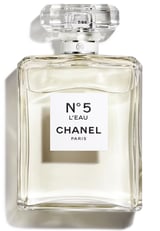 Chanel No. 5 l'Eau
 Chanel No. 5 Eau Première
Explore More
Similar Fragrances
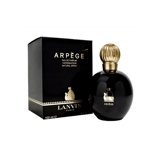 Lanvin Arpège
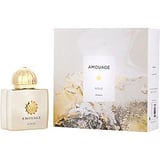 Amouage Gold Woman
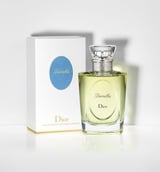 Guerlain Liu
Clone Alternatives
Not a clone, but captures a similar spirit of powerful, clean, soapy aldehydes.
For those seeking the experience of real, unrestricted oakmoss, this fragrance provides a similar deep, green, classic chypre base.
You May Also Enjoy
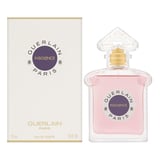 Guerlain Mitsouko
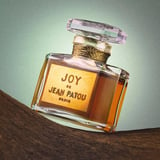 Jean Patou Joy
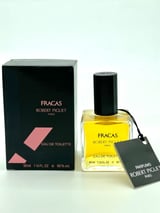 Robert Piguet Fracas
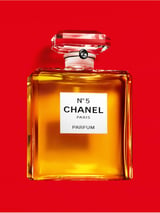 No 5
No 5
 Allure Homme Eau de Toilette
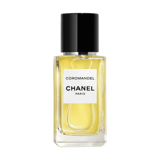 Coromandel (Les Exclusifs de Chanel)
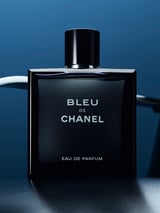 Blue de Chanel Eau de Parfum
 Sycomore EDP
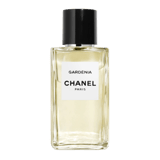 Gardenia (Les Exclusifs de Chanel)
Layering Ideas
- Generally not recommended; it is a complex masterpiece that should be worn alone.
- A single-note sandalwood oil to minimally amplify the creamy base.
- A very light, non-descript musk to soften the drydown without competing.
Final Verdict
You do not seek out vintage Chanel No. 5 for a simple, pretty scent. You buy it to own and experience a masterpiece of 20th-century art. It is a time capsule, a direct link to an era of perfumery when creators had a full palette of rich, natural, and complex ingredients at their disposal. Wearing it is like listening to a symphony on vinyl instead of a compressed digital file; you perceive textures, depths, and nuances that have been smoothed over in modern iterations.
If you are a true student of fragrance, if you appreciate history, and if you have the patience for a scent that reveals itself in stages, then you must experience vintage No. 5. It is challenging, it is profound, and it is a benchmark against which all other great perfumes are measured. It is not just a fragrance; it is an education in a bottle. The hunt is part of the experience, and the reward is a scent that is truly timeless.
More fragrances we love
Sponsored picks

Ready to experience Chanel N05 Vintage?
Buy on AmazonAs an Amazon Associate, Vivir earns from qualifying purchases.