Dana Fragrance review
Dana Tabu (Vintage) Review: A Masterpiece of Oriental Opulence
Jean Carles' 1932 opus remains the benchmark for audacious, animalic luxury.
In this review
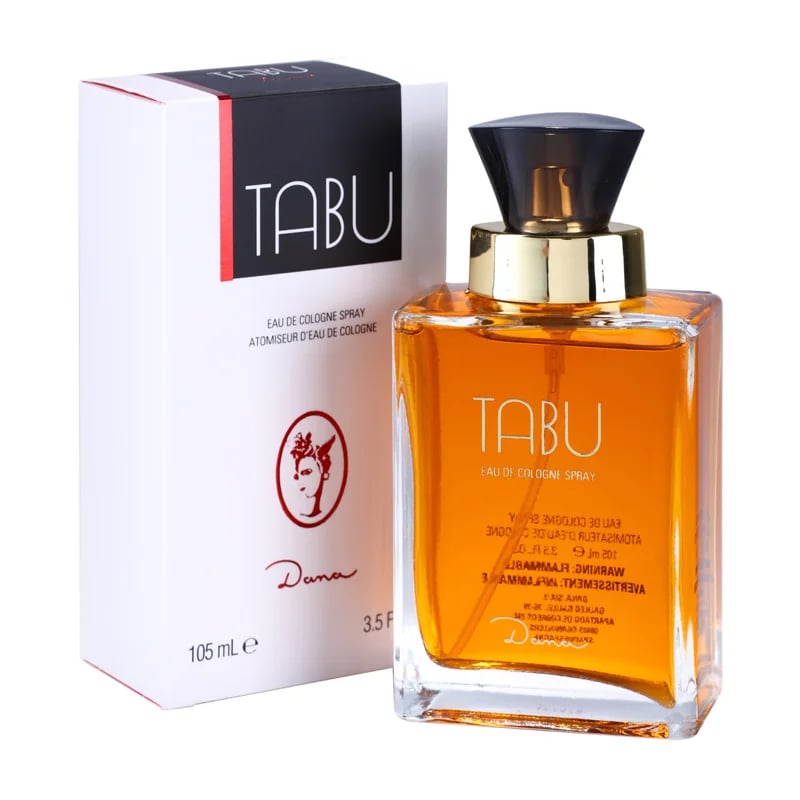
In the annals of perfumery, few fragrances have achieved the mythic status of Dana's Tabu. Launched in 1932, at the height of the Great Depression, Tabu was a defiant statement of luxury and sensuality. Created by the legendary Jean Carles, it broke away from the delicate floral conventions of the era, introducing a bold, animalic oriental that was both scandalous and irresistible. Its name, meaning 'forbidden' in Polynesian, hinted at the transgressive nature of its composition—a symphony of spices, yellow florals, and raw animalics that still commands attention nearly a century later.
This review focuses on the vintage formulation of Tabu, the parfum extrait that remains the gold standard for collectors. While modern reformulations exist, the original juice—with its unapologetic civet, rich benzoin, and deep oakmoss—represents a lost art of perfumery. We will dissect its accords, trace its evolution on the skin, and explore why this fragrance continues to inspire both reverence and imitation.
Accords
Notes Pyramid
Performance Dashboard
10-14 hours
Moderate to heavy – projects strongly for the first 2-3 hours, then settles into a close but persistent aura
Heavy – leaves a noticeable trail for the first 4-6 hours
When to Wear
Pros & Cons
- Rich, complex composition that evolves beautifully
- Exceptional longevity and sillage
- Iconic historical significance
- Unapologetically bold and sensual
- Layers well with other vintage scents
- Animalic notes (civet) may be off-putting to modern noses
- Reformulations have diluted the original magic
- Can be overwhelming in warm weather or confined spaces
- Vintage bottles are expensive and hard to find
Price & Value
“High cost reflects rarity and collector demand; modern EDTs are more affordable but lack depth.”
Reformulation History
Significant variations exist between vintage batches (pre-1970s) and later reformulations. Early bottles (1930s-1960s) contain higher concentrations of natural civet, oakmoss, and real sandalwood. Post-1970s versions often use synthetic substitutes, resulting in a lighter, less animalic profile. The most sought-after are the 'golden era' parfum extraits in the iconic flacon.
The Family
 Tabu Eau de Cologne
Explore More
Similar Fragrances
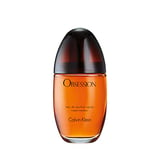 Calvin Klein Obsession
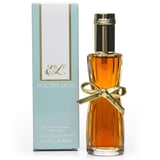 Estée Lauder Youth-Dew
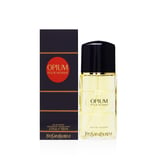 Yves Saint Laurent Opium (1977)
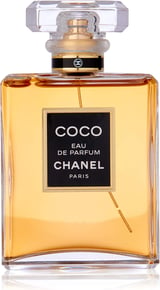 Chanel Coco Eau de Parfum
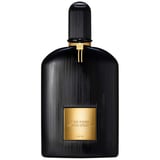 Tom Ford Black Orchid
You May Also Enjoy
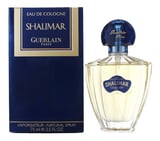 Guerlain Shalimar
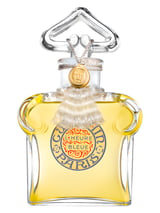 Guerlain l'Heure Bleue
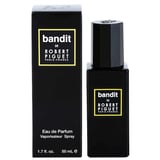 Robert Piguet Bandit
 Caron Tabac Blond
 Serge Lutens Ambre Sultan
More from Dana
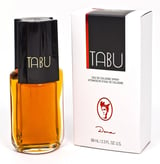 Tabu
Tabu
Layering Ideas
- Layer with a simple vanilla body oil to soften the animalic edge
- Combine with a sandalwood-based fragrance to enhance the woody base
- Use a drop of Tabu parfum on a cashmere scarf for a long-lasting scent trail