Dior Eau Sauvage: A Scholarly Analysis of Roudnitska’s 1966 Masterpiece
The Genesis of Modernity: Hedione, Citrus, and the Architecture of Elegance
By Vivir··Updated
In the annals of olfactory history, few compositions command the reverence accorded to Dior’s Eau Sauvage. Launched in 1966, this fragrance did not merely enter the market; it disrupted the very foundation of masculine grooming, signaling a departure from the heavy, powdery barbershop traditions of the early 20th century toward a new, luminous transparency. As a historian of fragrance, I view Eau Sauvage not simply as a product, but as a cultural artifact that mirrored the shifting social paradigms of the 1960s—a decade defined by the tension between classical refinement and avant-garde liberation.
At the heart of this revolution was the collaboration between Christian Dior and Edmond Roudnitska. Roudnitska sought to create a scent that possessed the freshness of a traditional cologne but with the structural integrity of a fine perfume. The result was a composition that balanced a bracing citrus opening with an innovative floral heart and a sophisticated woody-earthy base. It was a fragrance that whispered rather than shouted, embodying a quiet confidence that remains as relevant today as it was over half a century ago.
To understand Eau Sauvage is to understand the birth of modern perfumery. It was the first commercial fragrance to utilize Hedione, a molecule that would change the industry forever. This analysis seeks to dissect the architectural brilliance of the 1966 formula, exploring its technical composition, its historical significance, and its enduring legacy as the quintessential masculine signature.
The initial 30 minutes are dominated by a crystalline citrus accord, where the acidity of lemon is tempered by the herbal bitterness of basil and rosemary, creating a sophisticated, 'cold' freshness.
2
Heart1-2 hrs
Between 1 and 2 hours, the revolutionary Hedione expands the composition, lending a transparent, jasmine-like floralcy that bridges the citrus top and the emerging spicy-woody heart of coriander and carnation.
3
Drydown4+ hrs
After 4 hours, the fragrance settles into a classical chypre-like base, where the damp, ink-like quality of oakmoss and the dry grassiness of vetiver provide a grounded, masculine finish.
Performance Dashboard
⏱️ Longevity3.0/5
4-6 hours estimated range
📢 Projection2.0/5
arm's length initially, quickly receding to a personal scent bubble
💨 Sillage2.0/5
intimate
When to Wear
🌸SpringBest
☀️SummerBest
🍂FallAvoid
❄️WinterAvoid
📌 Professional business settings📌 Casual daytime wear📌 Formal summer events📌 Post-grooming ritual
Pros & Cons
✅ Timeless, sophisticated composition
✅ Historical significance as a perfumery milestone
✅ Highly versatile for professional use
✅ Masterful use of natural-smelling citrus
❌ Subdued longevity by modern standards
❌ Intimate sillage may not suit all users
❌ Formula has undergone necessary IFRA-related adjustments over decades
Price & Value
$70-$160
High historical and artistic value
“A mandatory inclusion for any serious collector.”
Reformulation History
While the core DNA remains intact, vintage bottles (pre-2010) often exhibit a deeper oakmoss presence compared to the brighter, more citrus-focused contemporary batches.
Who It's For
Ideal For
The discerning gentleman
Enthusiasts of classical perfumery
Professionals seeking a non-intrusive signature
Not Recommended For
Those seeking high-performance 'beast mode' fragrances
Layer with a pure Vetiver oil to extend the drydown
Pair with citrus-based grooming products to amplify the opening
Final Verdict
Eau Sauvage remains the gold standard of masculine citrus aromatics. It is a masterclass in balance and restraint, proving that true elegance does not require volume, but rather impeccable structure and quality.
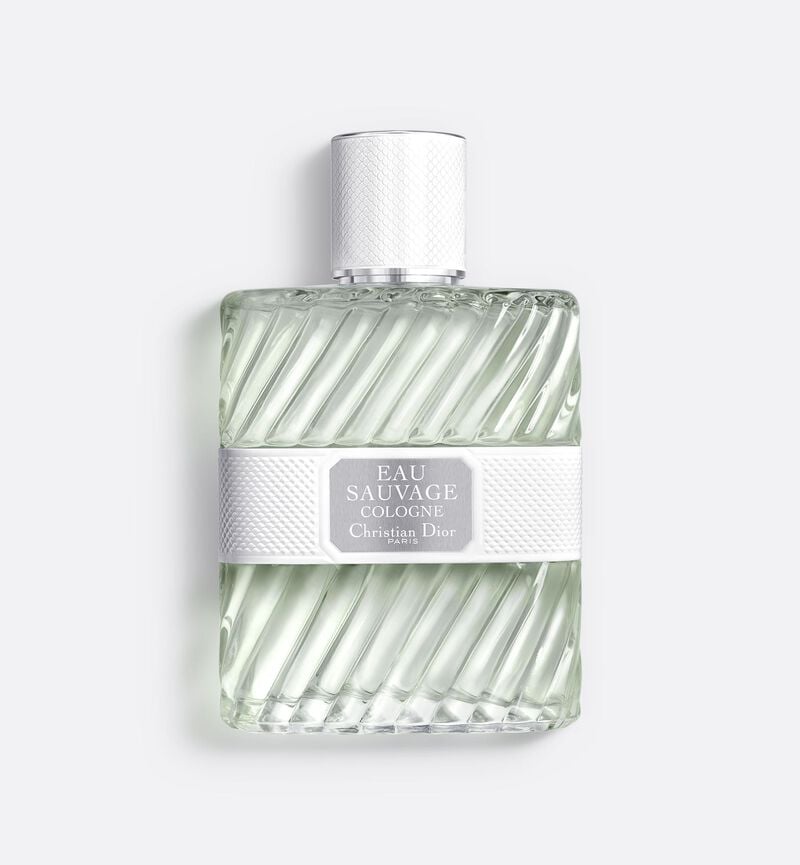
 Eau Sauvage Parfum
 Eau Sauvage Cologne
 Pour Monsieur
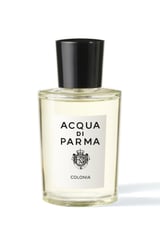 Acqua di Parma Colonia
 Grey Vetiver
 Vetiver
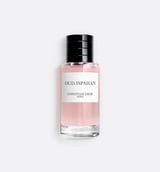 Oud Ispahan Esprit de Parfum Extrait
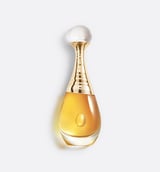 J'adore Intense
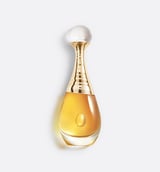 J'adore l'Or
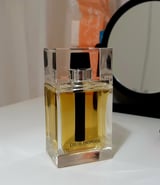 Homme (2011 onwards)
 Miss Dior (Original Vintage Formulations)
 Miss Dior (Original 1947)