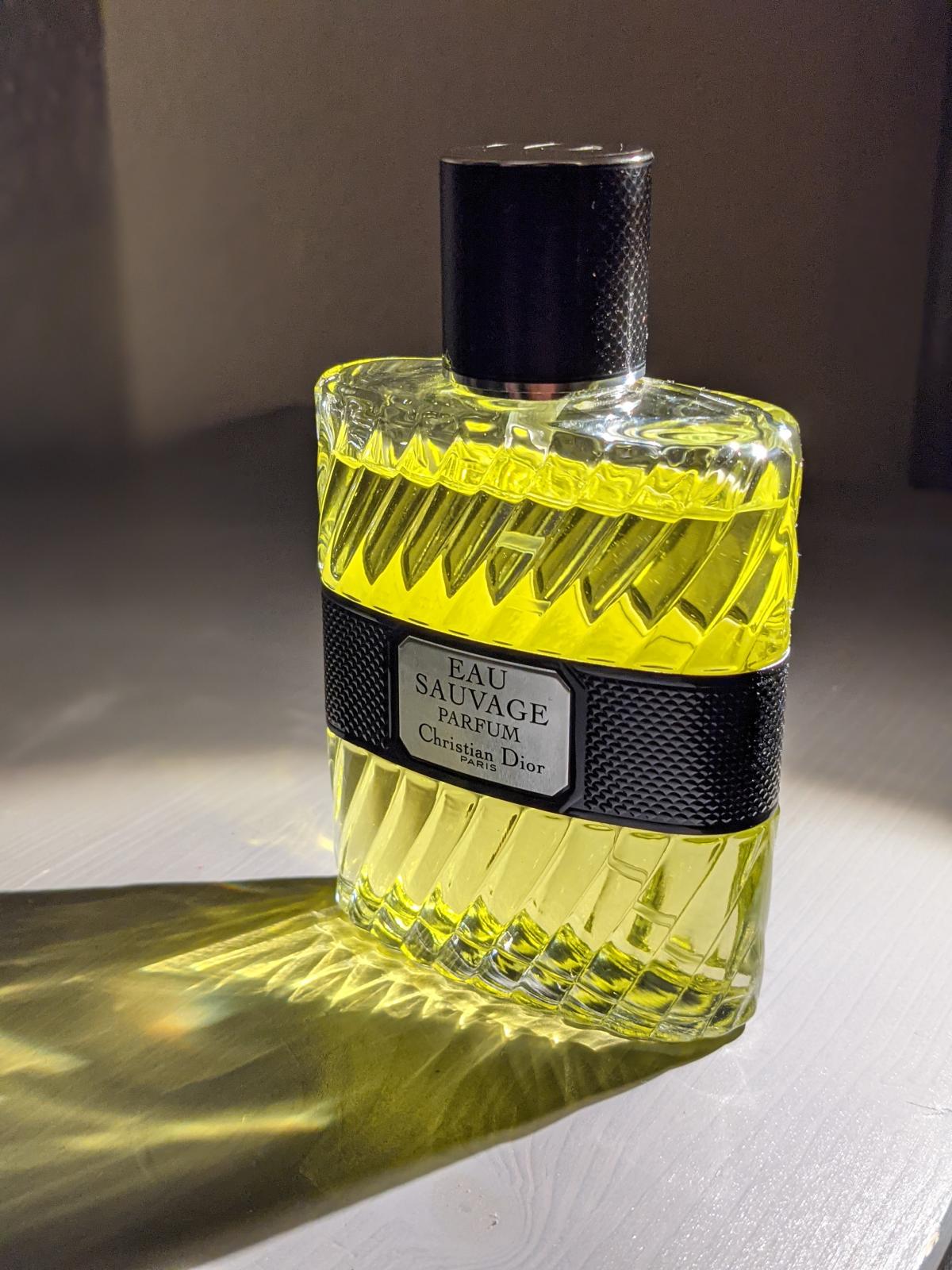
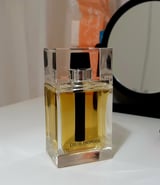
Dior Eau Sauvage Parfum (Pre-2017) Review: A Myrrh-Centered Icon
Exploring the original 2012 masterpiece by François Demachy before its controversial reformulation.
By Dr. Laurent Beaumont, Fragrance Analyst & Historian··Updated
Laurent holds a PhD in olfactory chemistry from Université de Versailles. He writes about composition, materials sourcing, and the lineage of perfumery houses.
The year 2012 marked a curious pivot in the storied history of Dior's Eau Sauvage. The original 1966 Eau de Toilette, composed by Edmond Roudnitska, had become a benchmark of citrus aromatic elegance—a sun-drenched chypre built around a radiant bergamot and hedione core. Its very name, 'Wild Water,' evoked a carefree, untamed freshness. So when François Demachy, then Dior's in-house perfumer, unveiled Eau Sauvage Parfum, expectations were high but also uncertain. Would it be a mere intensification, a flanker to bolster the franchise? The answer was a resounding no. Demachy delivered something far more radical: a dense, smoky, resinous composition that reimagined the Eau Sauvage spirit through the lens of sacred myrrh.
The pre-2017 version of Eau Sauvage Parfum is today regarded as a modern masterpiece, a fragrance that stands apart from its citrus-cologne heritage while still paying homage to it. It is not a flanker but a distinct pillar, a parfum concentration that eschews the traditional top-note freshness for a brooding, meditative character. Where the original Eau Sauvage sparkles, the Parfum smolders. Demachy's vision was to capture the essence of a wild, untamed landscape at dusk—bergamot still lingering on the breeze, but now intertwined with the balsamic warmth of elemi and the ancient, almost liturgical aroma of Somalian myrrh.
This review focuses exclusively on the pre-2017 formulation, the version that earned a formidable 8.3 rating on Parfumo and a loyal following among connoisseurs. In 2017, Dior reformulated Eau Sauvage Parfum, brightening the citrus, softening the myrrh, and shifting the composition toward a more conventional fresh-woody profile. The original, however, remains a touchstone for those who seek a fragrance of profound depth, quiet confidence, and uncompromising material quality. What follows is a scholarly dissection of its composition, performance, and cultural significance.
4.2Overall
Longevity
0.0
Projection
0.0
Sillage
0.0
$85-$165 (original retail for 100ml); current aftermarket prices often exceed $200
🌸Spring☀️Summer🍂Fall❄️Winter
Accords
spicywoodycitrusresinoussmoky
Notes Pyramid
Top
Calabrian bergamotelemi
Heart
Somalian myrrh
Base
Haitian vetiver
Performance Dashboard
⏱️ Longevity
8-10 hours
📢 Projection
Moderate, projecting comfortably within arm's length for the first 3-4 hours before settling closer to the skin.
💨 Sillage
Moderate, leaving a refined scent trail that is noticeable without being aggressive.
When to Wear
🌸SpringOK
☀️SummerAvoid
🍂FallBest
❄️WinterBest
🎩 formal events💕 date night📌 evening wear💼 office
Community Verdict
⭐ Overall
4.2
⏱️ Longevity
4.0
💨 Sillage
3.8
💰 Value
4.1
💌 Compliment Factor0.0/5
8/10. This fragrance garners a distinct type of compliment—not the immediate, mass-appeal 'you smell nice' of a fresh blue scent, but a slower, more considered appreciation. Its smoky, resinous character often prompts questions and declarations of uniqueness, making it a memorable signature for those who wear it.
Pros & Cons
✅ Exceptional quality and naturalness of the Somalian myrrh, offering a rare olfactory experience.
✅ Elegant, seamless composition that evolves gracefully over hours.
✅ Versatile within its seasonal wheelhouse, suitable for both formal and intimate settings.
✅ Outstanding longevity for a parfum concentration without becoming cloying.
❌ The 2017 reformulation has rendered the original increasingly scarce and expensive on the aftermarket.
❌ Its dense, smoky profile can feel oppressive in high heat or to those accustomed to fresher masculines.
❌ Moderate projection may disappoint those seeking a more assertive presence.
Price & Value
$85-$165 (original retail for 100ml); current aftermarket prices often exceed $200
“At its original retail, Eau Sauvage Parfum was an outstanding value for a fragrance of this caliber. Today, as a discontinued gem, the premium is justified for collectors and devoted enthusiasts, but casual buyers may find the cost prohibitive.”
📜 Reformulation History
No significant batch variations reported among pre-2017 bottles. However, some connoisseurs note that very early 2012 batches exhibit a slightly more pronounced smoky vetiver finish, while later pre-2017 iterations feel marginally smoother in the myrrh-vetiver transition. These differences are subtle and do not alter the fundamental character.
The Family
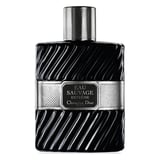
Eau Sauvage Parfum (2017 reformulation)

Eau Sauvage Extrême
Eau Sauvage Fraîcheur Cuir
Eau Sauvage Cologne
Explore More
🔍 Similar Fragrances
Eau Sauvage Parfum (2017) by Dior
L'Instant de Guerlain pour Homme Eau de Parfum by Guerlain
African Leather by Memo Paris
💡 Clone Alternatives
Vie de Château Intense by Parfums de Nicolaï (offers a similar resinous, woody character with a classical structure)
Layer with a light application of Dior Eau Sauvage Eau de Toilette to reintroduce a sparkling citrus freshness without disturbing the myrrh core.
Combine with a pure vetiver soliflore, such as Guerlain Vetiver, to amplify the earthy base while maintaining the resinous heart.
🏆 Final Verdict
The pre-2017 Dior Eau Sauvage Parfum is nothing less than a masterclass in restraint and material reverence. François Demachy took the soul of a legend and gave it a dark, contemplative twin that stands entirely on its own merits. For those who can find a bottle, it remains one of the most distinguished and intellectually satisfying masculines of the 21st century.