Dior Fragrance review
Dior Miss Dior (original 1947 and modern iterations)
From Jean Carles’ alchemic masterpiece to today’s luminous florals—an olfactory journey through time.
In this review
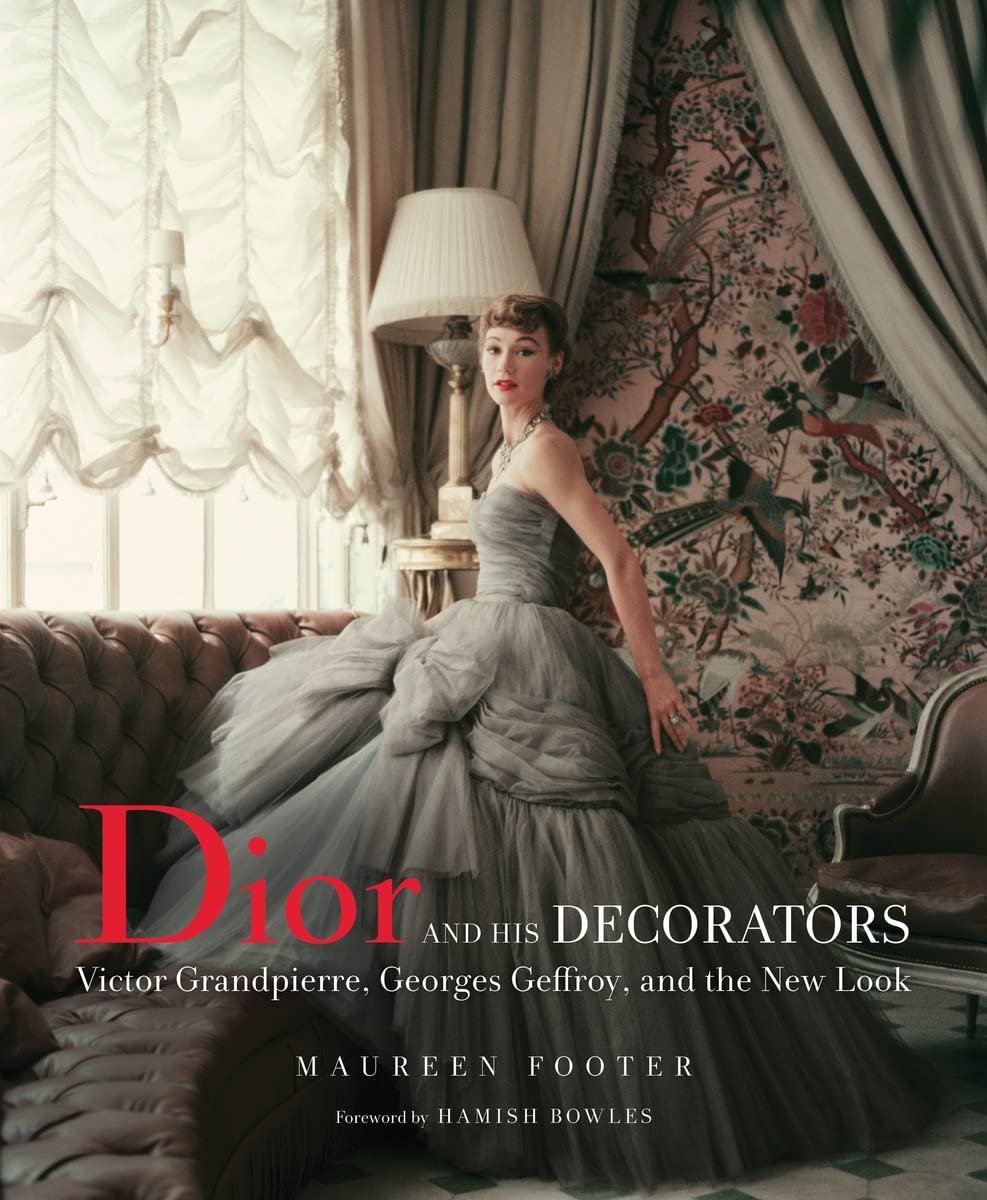
In the gilded halls of 1947, Christian Dior presented his revolutionary ‘New Look’—a silhouette of cinched waists and voluminous skirts that breathed life back into a war-weary Paris. That same year, he commissioned Jean Carles and Paul Vacher to create a scent that would embody the same spirit of audacious femininity. The result was Miss Dior, a green chypre so architecturally perfect it became the blueprint for an entire genre.
Seventy-seven years later, Miss Dior remains a living legend—though it has evolved through countless reinterpretations. The original 1947 formulation, now a coveted ghost in vintage bottles, was a carnivorous green beast: galbanum and oakmoss cutting through aldehydes like a blade through silk. Today’s Miss Dior Eau de Parfum (2021) and the latest Miss Dior Parfum (2024) have traded some of that primal moss for a softer, iris-laced glow. Yet the DNA endures—a floral chypre that whispers of romance with a razor’s edge.
This review will dissect both the original and its modern descendants, exploring the notes, evolution, performance, and cultural significance of a fragrance that has dressed generations of women in courage and grace.
Accords
Notes Pyramid
Performance Dashboard
Original 1947 formulation: variable due to age (often 4–6 hours on skin); modern EDP (2021): 7–9 hours; Parfum (2024): 8–10 hours
Original: strong projection for the first 2 hours; modern: intimate to moderate, fading to a skin scent after 4 hours
Original: moderate to heavy, a true sillage monster in its day; modern versions: moderate, leaving a soft trail of 1–2 feet
When to Wear
Pros & Cons
- Timeless scent profile that feels both vintage and modern
- Beautiful floral-green balance with excellent depth
- Versatile across seasons (especially spring and fall)
- High-quality natural ingredients (especially in vintage formulations)
- Original oakmoss-rich versions are nearly impossible to find (and expensive)
- Modern versions have toned down the chypre character—lovers of the vintage may be disappointed
- Some find the aldehydic opening too sharp
- Longevity and sillage vary significantly between concentrations and batches
Price & Value
“Excellent value for the quality, especially the modern Eau de Parfum which offers a refined experience at a mid-luxury price point. Vintage bottles command $300–$800.”
Reformulation History
No significant batch variations reported for the modern 2021 EDP and 2024 Parfum. Vintage 1947–1970s bottles vary notably due to natural ingredient sourcing and IFRA restrictions—older batches exhibit richer oakmoss, deeper leather, and stronger galbanum.
The Family
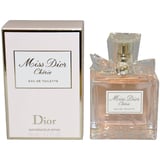 Miss Dior Chérie
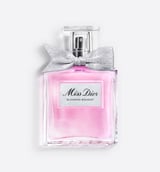 Miss Dior Blooming Bouquet
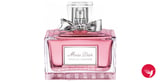 Miss Dior Absolutely Blooming
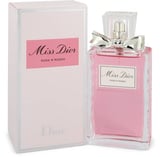 Miss Dior Rose N'Roses
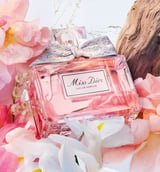 Miss Dior Eau de Parfum (2021)
 Miss Dior Parfum (2024)
Explore More
Similar Fragrances
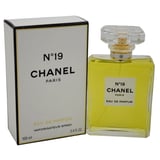 Chanel No. 19
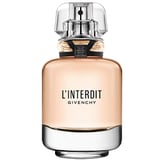 Givenchy l'Interdit
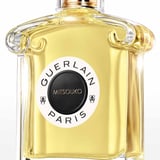 Guerlain Mitsouko
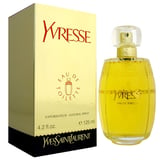 Yves Saint Laurent Yvresse (Champagne)
Clone Alternatives
You May Also Enjoy
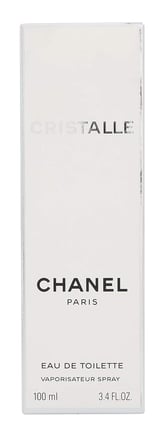 Chanel Cristalle Eau Verte
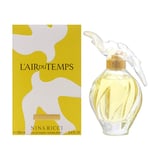 Nina Ricci l'Air du Temps
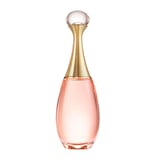 J'adore EDT
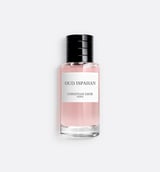 Oud Ispahan Esprit de Parfum Extrait
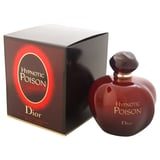 Hypnotic Poison EDT
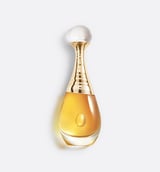 J'adore Intense
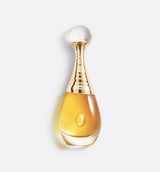 J'adore l'Or
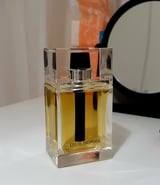 Homme (2011 onwards)
Layering Ideas
- Layer with a creamy sandalwood body oil to soften the green edge
- Spritz over a light vanilla-scented lotion for added sweetness
- Combine with a dab of rose absolute on pulse points for a more romantic heart