Hugo Boss Boss Energy Review: A Scholarly Scent Analysis
Decoding the Urban Vitality of Claude Dir’s 2005 Aromatic Masterpiece
By Vivir·
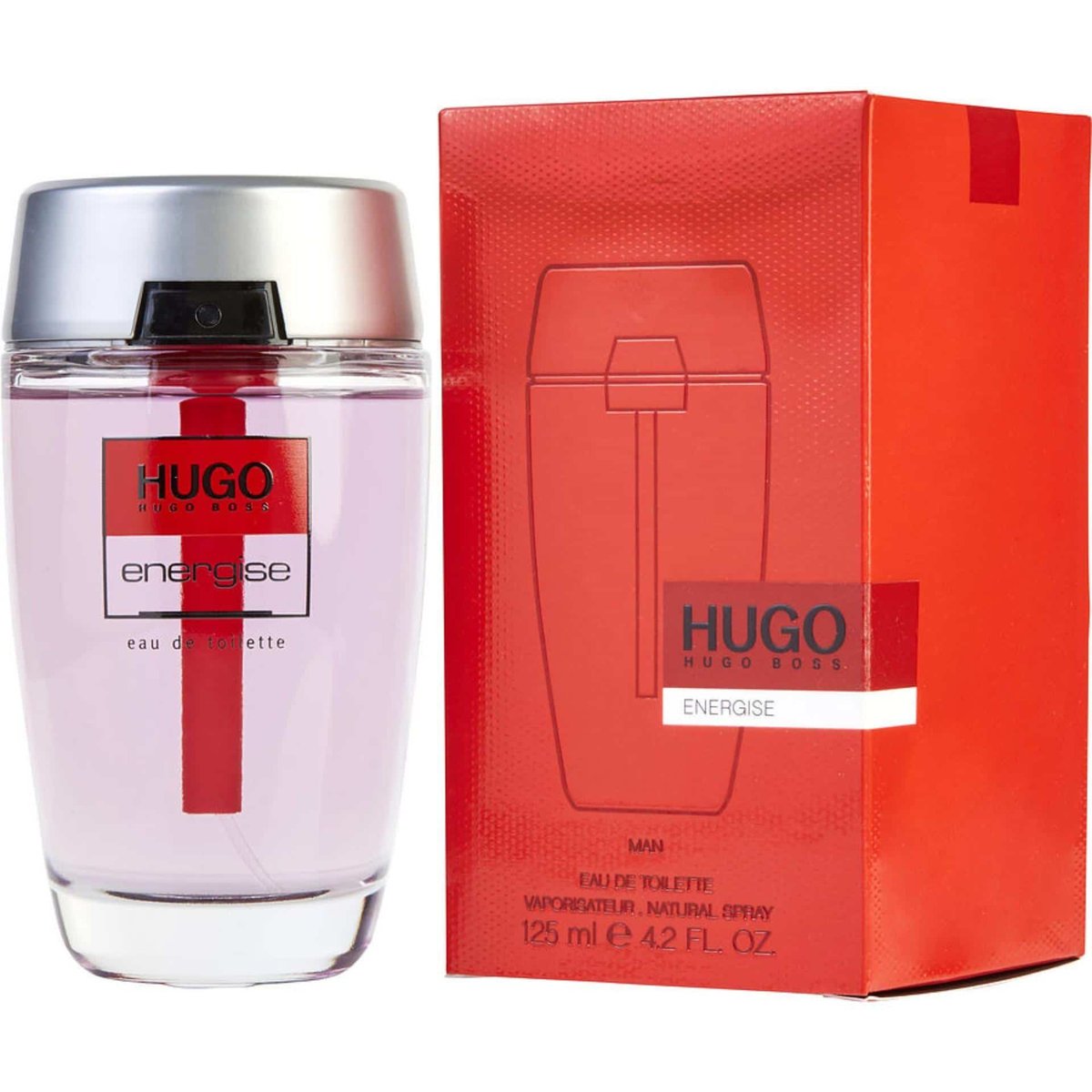
In the annals of mid-2000s perfumery, few houses captured the zeitgeist of the 'urban active' lifestyle as effectively as Hugo Boss. Released in 2005, Hugo Energise—frequently referenced in certain markets as Boss Energy—represented a pivotal shift for the brand. It was a departure from the stoic, boardroom-ready elegance of Boss Bottled (1998) and the utilitarian minimalism of the original Hugo (1995). Instead, it sought to bottle the frantic, electric pulse of a city in motion, utilizing a complex array of top notes that defied the standard citrus-only openings of the era.
As a fragrance analyst, I find the heritage of this scent particularly fascinating. It arrived during a period of transition in masculine perfumery, where the heavy 'powerhouse' scents of the 80s and the aquatic 'clean' scents of the 90s were being superseded by 'Aromatic Fruity' compositions. Hugo Energise, under the skilled hand of Claude Dir, managed to bridge the gap between fresh sportiness and a sophisticated spicy-floral heart, making it a landmark release in the Hugo sub-brand's history.
This analysis explores the intricate layering of its nineteen distinct notes, examining how it maintains a sense of 'energy' through a carefully orchestrated tension between sharp acidity and soft, woody warmth. We will delve into why this fragrance remains a relevant study in olfactory balance nearly two decades after its debut.
The initial 30 minutes are a chaotic yet controlled explosion of brightness. The kumquat and pineapple leaf provide a sharp, almost metallic fruitiness that is immediately tempered by the cooling effect of mint and the zing of pink pepper.
2
Heart1-2 hrs
As the heart emerges between 1 and 2 hours, the fragrance shifts toward a spicy floralcy. The jasmine and freesia offer a clean, airy quality, while coriander and nutmeg introduce a dry, masculine heat that prevents the scent from becoming overly sweet.
3
Drydown4+ hrs
After 4 hours, the fragrance settles into a close-to-skin warmth. The teak wood provides a sturdy, exotic base, while the leather and vanilla create a soft, creamy texture that feels sophisticated rather than gourmand.
Performance Dashboard
⏱️ Longevity3.0/5
5-7 hours
📢 Projection3.0/5
Projects well for the first 90 minutes before receding to a personal bubble.
💨 Sillage3.0/5
Moderate; leaves a noticeable but non-intrusive trail.
When to Wear
🌸SpringBest
☀️SummerBest
🍂FallOK
❄️WinterAvoid
📌 Casual wear📌 Daytime📌 Sport/Active📌 Office/Work
Pros & Cons
✅ Unique use of kumquat and pineapple leaf
✅ Versatile for daily use
✅ Affordable price point
✅ Excellent bottle design
❌ Performance is only average
❌ May feel dated to those seeking modern 'blue' scents
❌ Drydown is relatively faint
Price & Value
$54-$69
Excellent for a designer fragrance
“A solid investment for a reliable daily driver.”
Reformulation History
No significant batch variations reported, though older bottles may show slight degradation of the top citrus notes over time.
Layer with a simple Iso E Super base to extend longevity
Combine with a citrus lotion to amplify the kumquat opening
Final Verdict
Hugo Energise remains a quintessential example of mid-2000s urban perfumery. While its performance is modest, its composition—marked by the daring use of pineapple leaf and teak—offers a sophisticated alternative to the generic freshies of the modern era.
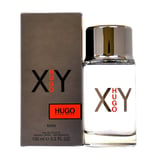 Hugo XY
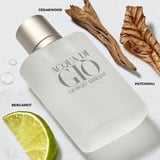 Acqua di Gio
Giorgio Armani
Acqua di Gio
Giorgio Armani
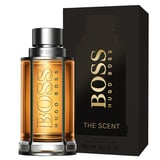 The Scent
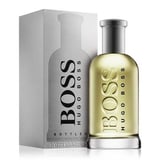 Bottled
 The Scent Magnetic
 Boss
Boss
 Boss the Scent for Her Parfum Edition
 Boss the Scent for Her