Jean Patou Joy
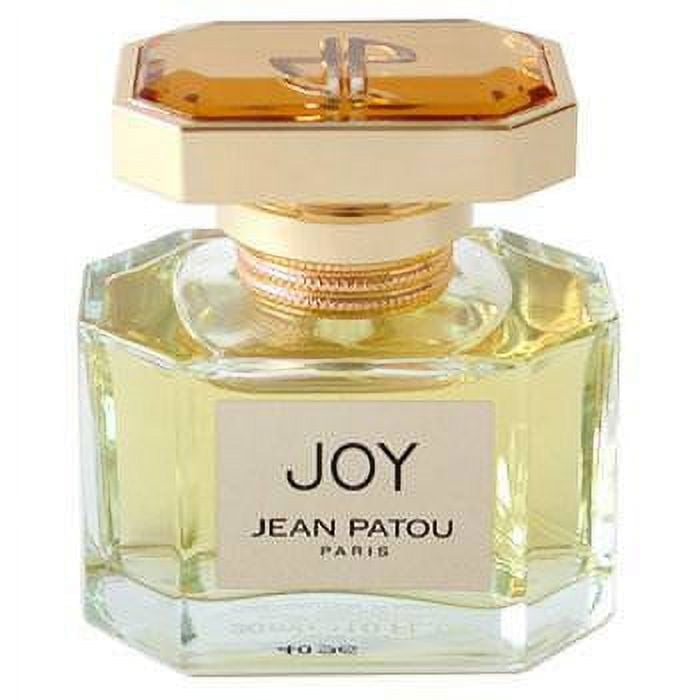
In 1929, as the Great Depression began to cast its shadow over the world, Jean Patou released a fragrance that would become a symbol of defiant luxury and timeless elegance. Joy was conceived as a response to the era's economic hardship — a lavish, uncompromising bouquet that used the finest raw materials at staggering concentrations. The brief was simple: create the most expensive perfume in the world. Perfumer Henri Alméras delivered a masterpiece that remains a benchmark for opulent floral fragrances nearly a century later.
Joy is a white floral powerhouse, built around a heart of jasmine and rose, supported by aldehydes, tuberose, and a rich animalic base. It is a fragrance that announces itself with confidence, yet reveals intimate nuances over time. For many, it is the quintessential “special occasion” perfume, but its complexity rewards those who wear it regularly. This review examines Joy in its current formulations, focusing on the extrait and eau de toilette concentrations available today.
Accords
Notes Pyramid
Performance Dashboard
8+ hours (extrait), 4-6 hours (EdT)
moderate to heavy
heavy (extrait), moderate (EdT)
When to Wear
Pros & Cons
- ✅ Exquisite, high-quality ingredients
- ✅ Exceptional longevity in extrait concentration
- ✅ Iconic, timeless composition that has influenced countless other fragrances
- ✅ Versatile enough for both formal and romantic occasions
- ❌ Very expensive, especially in extrait form
- ❌ May feel dated or overly heavy for modern tastes
- ❌ Current formulations lack the richness of the original pre-1990s versions
- ❌ Strong sillage can be intrusive in small spaces or professional settings
Price & Value
“Joy is a luxury investment. The extrait is priced at the high end, reflecting the cost of raw materials and heritage. While the EdT and EdP offer more accessible entry points, they still command a premium over mass-market fragrances. For collectors and enthusiasts, the extrait is worth the splurge; for casual wearers, the EdP provides good value.”
📜 Reformulation History
Significant batch variations exist, particularly between pre-1990s formulations (which used higher concentrations of natural jasmine and rose absolutes) and current production (which relies more on synthetics due to cost and regulatory restrictions). Vintage bottles are highly sought after for their deeper, more animalic character. Modern batches are still beautiful but lean more powdery and less indolic.
The Family
Explore More
🔍 Similar Fragrances
💡 Clone Alternatives
❤️ You May Also Enjoy
🧪 Layering Ideas
- Layer Joy EdT with a simple vanilla or sandalwood body oil to soften the floral intensity.
- Combine with a light musk perfume (like The Body Shop White Musk) for a cleaner, more modern finish.
- For a vintage twist, wear Joy extrait over a dab of vintage Shalimar parfum.