Mugler Fragrance review
Mugler Angel (1992): The Gourmand Revolution That Changed Perfumery Forever
A deep dive into the polarizing patchouli-caramel masterpiece that launched a thousand sweet tooth cravings.
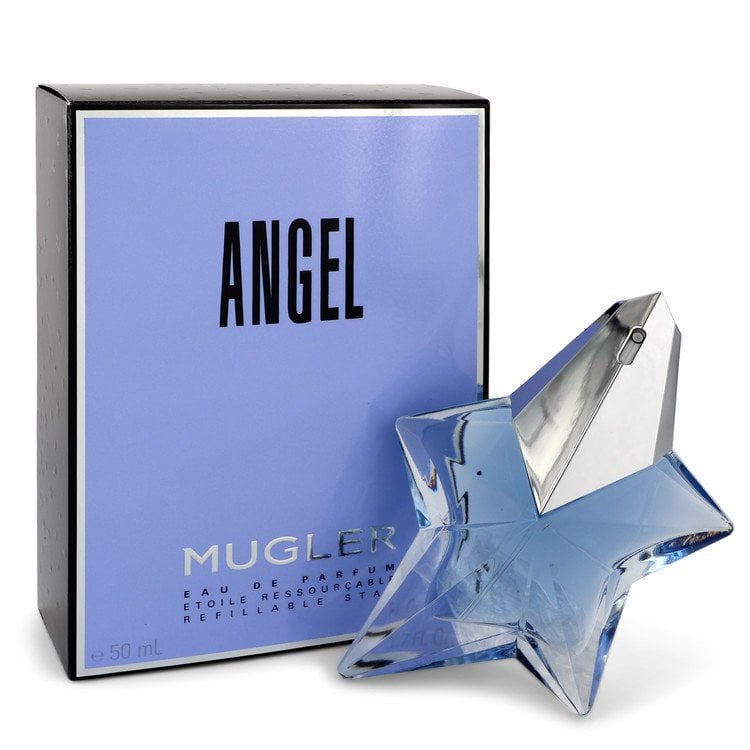
In this review
In the annals of perfumery, few creations have arrived with such disruptive force as Thierry Mugler's Angel. Launched in 1992, this audacious elixir did not merely enter the market—it detonated a paradigm shift, carving out an entirely new olfactory family: the oriental gourmand. Before Angel, the sweet notes of vanilla, caramel, and chocolate were relegated to the kitchen; after Angel, they became the building blocks of high art. The fragrance was a deliberate provocation, a star-shaped grenade of edible accords wrapped in a patchouli-laden base that challenged every notion of what a women's perfume could be.
Angel's creation story is as legendary as its scent. Thierry Mugler, the visionary fashion designer, approached perfumer Olivier Cresp with an impossible brief: to bottle the scent of emotion, of tenderness, of childhood memories. Cresp, alongside Yves de Chiris, spent eighteen months and over six hundred trials before landing on the revolutionary formula. The key was ethyl maltol, a molecule that had been used sparingly in flavorings but never as a central theme in fine fragrance. By pairing this cotton-candy sweetness with a dark, earthy patchouli, they created a chiaroscuro effect—light and shadow, innocence and experience—that resonated on a deeply primal level.
Today, more than three decades later, Angel remains a bestseller and a cultural touchstone. Its influence can be traced through countless flankers, imitators, and the entire gourmand genre that now dominates department store counters. Yet the original still stands apart: a complex, polarizing, and utterly unforgettable scent that continues to provoke strong reactions. This review will dissect its composition, performance, and enduring legacy, offering a scholarly perspective on the fragrance that taught the world to crave sugar in the air.
Accords
Notes Pyramid
Scent Journey
The first 0-30 minutes unleash a dizzying carnival of contrasts: a burst of synthetic cotton candy and juicy melon collides with sharp bergamot and pineapple, while a faint indolic jasmine whispers beneath. The initial blast is aggressively sweet, almost overwhelming, with a metallic edge from the ethyl maltol that some noses perceive as burnt sugar or plastic. Coconut and cassis add a tropical, slightly boozy nuance, creating an opening that is at once childlike and disorienting.
As the heart emerges (1-2 hours), the fragrance settles into a rich, jammy bouquet. Honey and red berries meld with stone fruits—plum, apricot, peach—while nutmeg and caraway introduce a warm, spicy undercurrent. The florals (jasmine, rose, orchid, lily-of-the-valley) are largely subsumed by the gourmand tide, but they provide a subtle powdery lift that prevents the composition from becoming cloying. This phase is the olfactory equivalent of a dense fruitcake studded with candied peel and drenched in liqueur.
After four hours, Angel reveals its true soul: a deep, resonant base of patchouli, chocolate, caramel, vanilla, and tonka bean. The patchouli here is not the headshop variety but a refined, almost minty-chocolate facet that intertwines with the cocoa and caramel. Amber and musk add a velvety warmth, while sandalwood provides a creamy, woody foundation. The drydown is where the fragrance achieves its legendary tenacity, projecting a sweet, earthy aura that lingers on skin and fabric for over ten hours.
Performance Dashboard
10+ hours
across a table
strong
When to Wear
Pros & Cons
- Exceptional longevity and projection
- Groundbreaking, genre-defining composition
- Complex evolution from top to drydown
- Excellent value for the performance
- Rich, high-quality ingredients
- Can be overwhelming and cloying if overapplied
- Polarizing scent profile; not universally appealing
- Initial blast may smell synthetic or metallic to some
- Reformulations have slightly altered the original character
- Not suitable for warm weather or conservative settings
Price & Value
“An affordable entry into niche-quality perfumery; the price belies its complexity and longevity.”
Reformulation History
Significant batch variations exist between vintage formulations (pre-2010) and current versions. Early bottles are renowned for a richer, more natural patchouli and a deeper, less synthetic sweetness, while modern reformulations—driven by IFRA restrictions on oakmoss and certain musks—exhibit a slightly sharper opening and a cleaner, more streamlined drydown. Collectors often seek out older batches for their depth and complexity.
Who It's For
Ideal For
- Those who adore bold, sweet gourmands
- Fans of patchouli and vanilla
- Confident individuals who enjoy making a statement
- Evening and cold-weather wearers
- Collectors of iconic, groundbreaking fragrances
Not Recommended For
- Those who prefer fresh, aquatic, or citrus scents
- Office or close-quarter environments
- People sensitive to strong, sweet perfumes
- Minimalist fragrance enthusiasts
- Summer daytime wear
The Family
 Angel Muse
Mugler
Angel Muse
Mugler
 Angel Nova
Thierry Mugler
Angel Nova
Thierry Mugler
Explore More
Similar Fragrances
 La Vie Est Belle
Lancome
La Vie Est Belle
Lancome
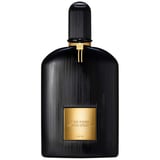 Black Orchid
Tom Ford
Black Orchid
Tom Ford
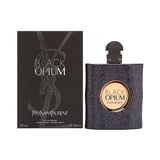 Black Opium
Yves Saint Laurent
Black Opium
Yves Saint Laurent
Clone Alternatives
You May Also Enjoy
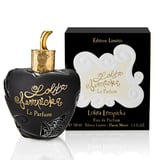 Lolita Lempicka
 Prada Candy
 Flowerbomb
 Hypnotic Poison
 Aura
Aura
 A*Men (Original)
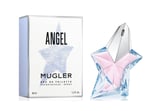 Angel Eau de Toilette (various concentrations/limited editions)
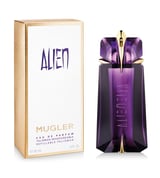 Alien
Alien
 Blow It Up
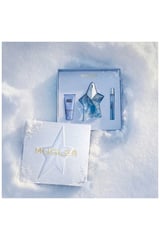 Angel Eau de Toilette Parfum
Layering Ideas
- Layer with a pure vanilla soliflore (such as Outremer Vanille) to soften the patchouli and amplify the gourmand sweetness.
- Combine with a light, airy musk (like Kiehl's Original Musk) to add a clean, skin-like dimension and temper the initial intensity.