The Mercury Rising: Why the SO33A100 is the Ultimate Cultural Flex
In the high-stakes world of luxury horology, where waiting lists for steel sports watches are measured in years and prices are measured in mortgage payments, the arrival of the MoonSwatch was a tactical nuke. It was the collaboration no one saw coming: Omega, the bastion of NASA-approved precision, and Swatch, the colorful savior of the Swiss industry. Among the eleven missions released, the Mission to Mercury (Reference SO33A100) has emerged not just as a fan favorite, but as a staple in the collections of people who usually wear Patek Philippes and Richard Milles.
The Aesthetic of the Insider
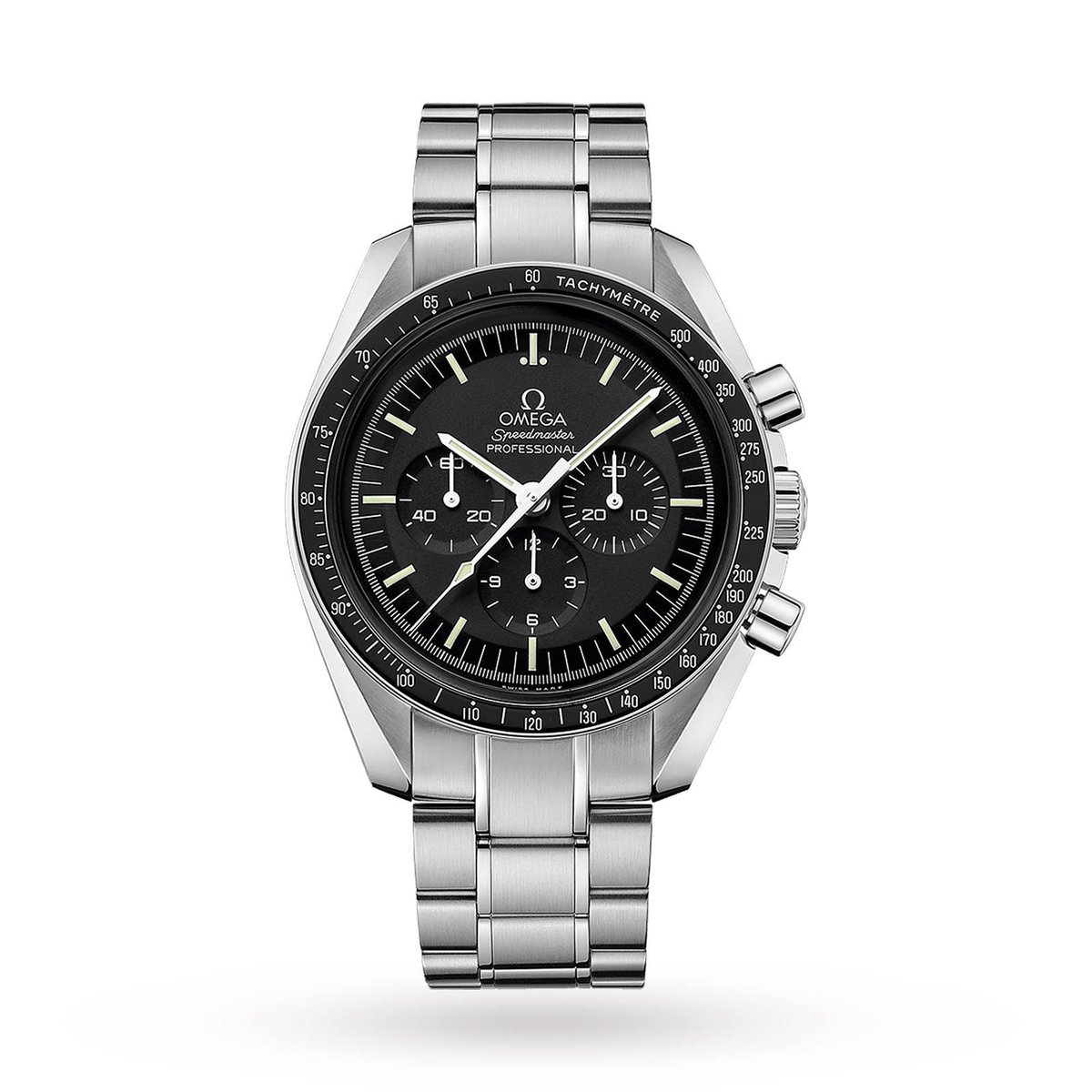
While the 'Mission to the Moon' (SO33M100) was designed to be a direct 1:1 visual clone of the Speedmaster Professional Moonwatch, the 'Mission to Mercury' takes a more nuanced approach. Its palette is a sophisticated gradient of deep greys and blacks. To the uninitiated, it looks like a sleek, modern chronograph. To the collector, it evokes the spirit of the 'Dark Side of the Moon' Speedmaster or the ultra-rare 'Grey Side of the Moon' ceramic models. This monochromatic DNA makes it the most versatile watch in the entire collection.
In the Vivir universe, we talk a lot about 'wrist presence.' Usually, that implies a gold case or a shimmering dial. The Mercury, however, commands attention through its restraint. It doesn't scream for help; it whispers authority. It is the watch you wear when you want to show you are part of the 'if you know, you know' crowd.
Bioceramic: The Material Debate
Let’s address the elephant in the room: the material. Swatch calls it 'Bioceramic,' a blend of two-thirds ceramic and one-third bio-sourced material derived from castor oil. Critics called it plastic. The reality lies somewhere in the middle. It is incredibly light, which can be jarring if you are used to the heft of a 1861 Caliber Speedmaster. But the Bioceramic allows for a matte finish and a depth of color that traditional plastic simply cannot achieve.
The SO33A100 benefits from this material more than its brighter siblings. The grey Bioceramic has a stony, lunar quality that feels appropriate for a watch named after a planet. It’s also surprisingly durable against minor impacts, though the 'hesalite' style acrylic crystal is a magnet for scratches. Pro tip: keep a tube of PolyWatch in your desk drawer; you’re going to need it.
The Movement and the Mission
Under the hood is a Swiss-made ETA quartz chronograph movement. For some purists, this was a dealbreaker. But for the new generation of collectors, the movement is secondary to the design and the 'drop' culture experience. The quartz movement allows the watch to be thin, accurate, and—most importantly—accessible. The four-jewel movement provides a satisfying click to the pushers, though it lacks the mechanical 'thwack' of a Column Wheel chronograph. But let’s be honest: you aren’t buying this for the movement architecture. You’re buying it for the sub-dials, the tachymeter scale, and the 'Dot Over 90' (DON) bezel—a nod to vintage Speedmaster history that shows Swatch did their homework.
The Strap Swap: A Rite of Passage
If there is one universal truth in the MoonSwatch community, it is that the stock velcro strap is a placeholder. It’s bulky, it’s stiff, and it feels like it belongs on a child’s sneaker. However, the SO33A100 is a 'strap monster.' Because of its neutral grey tones, it looks incredible on almost anything. We’ve seen them on black sailcloth, grey FKM rubber, and even distressed leather. Swapping the strap is the first thing any Vivir reader should do. It elevates the watch from a novelty to a serious piece of design.
The Cultural Impact
We’ve seen the Mercury on the wrists of F1 drivers in the paddock and rappers in the front row of Fashion Week. Why? Because it represents a shift in how we perceive value. In the 2020s, luxury isn't just about the price tag; it's about the narrative. The MoonSwatch tells a story of collaboration, accessibility, and the joy of collecting. It’s a watch that invites conversation. When you wear a Rolex, people ask how much you paid. When you wear a Mission to Mercury, people ask how you got it.
Final Thoughts
The Omega x Swatch Speedmaster MoonSwatch Mission to Mercury (SO33A100) is a triumph of marketing and design. It successfully captures the soul of the most famous chronograph in history and repackages it for a generation that values style and storytelling. It isn't a replacement for a 'real' Speedmaster, but it was never meant to be. It’s a tribute, a companion, and a cultural touchstone. For the price of a fancy dinner in Manhattan, you get a piece of horological history that you can wear without fear. That, in itself, is a luxury.