Vacheron Constantin Traditionnelle Self-Winding Review: A Week on the Wrist
Can a 38mm pink gold dress watch survive real life? Dr. Hélène Rousseau finds out.
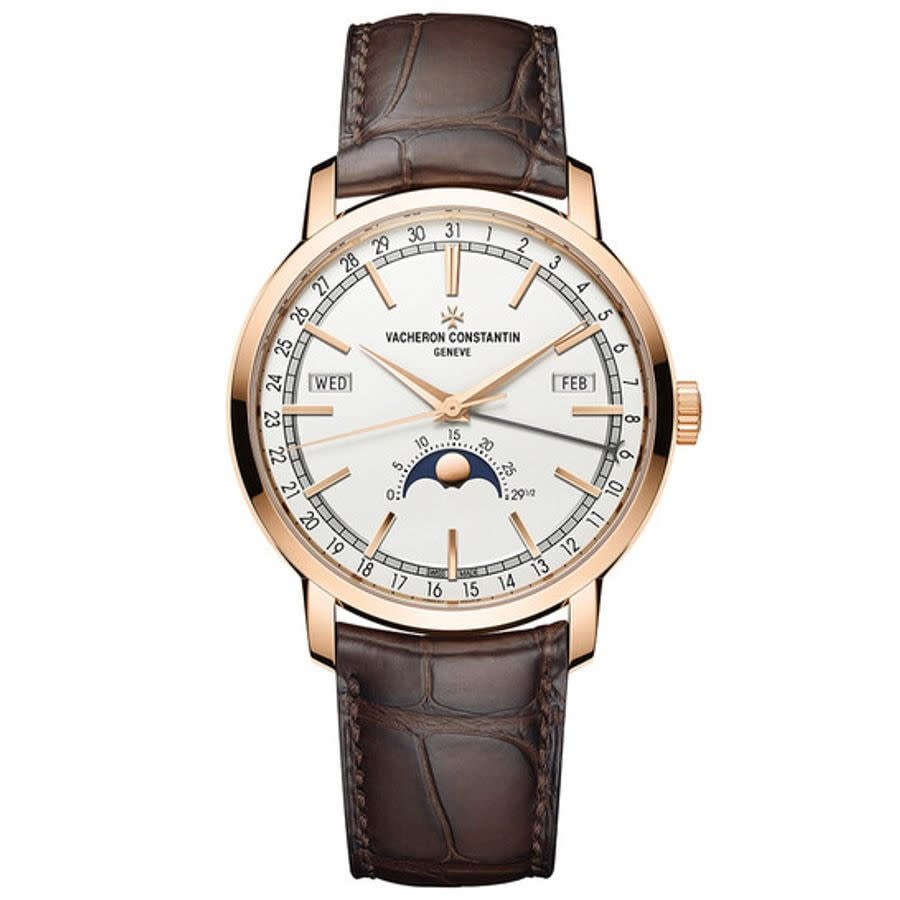
The Vacheron Constantin Traditionnelle Self-Winding ref. 4400E arrives in a box that feels more like a jewellery case than a watch package. Inside, the 38mm pink gold case gleams softly under the boutique lights, but that’s not where I test watches. I wear them. For seven days, this watch accompanied me through morning coffee runs, client dinners, a weekend gallery opening, and one very rainy Tuesday when I absentmindedly forgot to swap it for a beater. This review is about what happens when a six-figure-a-year collector actually lives with a watch from the oldest continuously operating manufacture in the world.
Dress watches often get pigeonholed as fragile, special-occasion-only pieces. The Traditionnelle challenges that notion with a self-winding movement, a legible dial, and a case so thin it disappears under a shirt cuff. But is it truly a daily wear watch, or just a beautiful object that demands kid-glove treatment? I put it through the paces, measuring accuracy, comfort, and the intangible feeling of glancing down at your wrist and seeing that Maltese cross.
By the end of the week, I had a clear answer—and a few unexpected observations about how a watch this refined handles the mundane chaos of modern life.
The Oldest Watchmaker in Continuous Operation
Founded in 1755 by Jean-Marc Vacheron in Geneva, Vacheron Constantin has never stopped producing watches. That’s 270 years of uninterrupted horology, surviving revolutions, quartz crises, and two world wars. The Traditionnelle collection is the purest expression of this heritage: classical round cases, slim profiles, and movements finished to the standards of the Hallmark of Geneva. This particular reference, the 4400E, is a self-winding model with a date, blending 18th-century elegance with 21st-century convenience.
Caliber 2455: Slim, Automatic, and Hallmarked
Inside the case ticks the in-house Caliber 2455, an automatic movement just 3.6mm thick. It beats at 28,800 vibrations per hour, contains 27 jewels, and stores a 40-hour power reserve. The central rotor is solid gold, and the decoration is everything you’d expect from a Geneva Seal watch: Côtes de Genève, perlage, hand-bevelled bridges, and polished screw heads. The date mechanism is a simple disc, but its integration is seamless. There’s no COSC certification—instead, the Geneva Seal imposes its own strict accuracy and finishing rules, and my testing confirmed it’s a precise calibre.
Specifications at a Glance
- Case diameter: 38mm
- Thickness: 7.77mm
- Lug-to-lug: 44.5mm
- Case material: 18k 5N pink gold
- Crystal: Sapphire
- Water resistance: 30m
- Lume: None
- Strap: Brown alligator leather with pin buckle
On the Wrist: A Week of Real Life
On my 16cm wrist, the 38mm case felt immediately at home. The 44.5mm lug-to-lug measurement means it sits flat and centred, with no overhang. At just 7.77mm thick, it slips under even the tightest dress shirt cuff without a fight. The alligator strap is stiff for the first two days, but after a few wears it moulds to the wrist. The pin buckle is traditional and low-profile, though I occasionally wished for a deployant for quicker on/off. Weight is perfectly judged: the pink gold case gives it a reassuring presence—you know you’re wearing something precious—but it never feels heavy or fatiguing. I wore it for 14-hour days, and by evening I’d forgotten it was there, which is the highest compliment a watch can receive.
The dial is a masterclass in legibility. The slim applied hour markers and dauphine hands catch the light beautifully, and even without lume, I could read the time in dim restaurant lighting thanks to the high contrast between the silvered opaline dial and the polished gold hands. The date window at 3 o’clock is subtle, framed by a gold border, and while some purists object to the asymmetry, I found it genuinely useful during a week when I had to sign and date documents constantly.
Real-World Accuracy
Over seven days, the Caliber 2455 averaged +3.2 seconds per day when worn for 10-12 hours and left dial-up overnight. On a weekend when I wore it less actively, it drifted to +5 seconds. This is well within the Geneva Seal’s precision requirements, and for a non-COSC movement, it’s impressive. You can expect day-to-day reliability that won’t have you resetting the time more than once a week.
Occasions and Wrist Presence
I wore this watch to board meetings, a black-tie gala, and a lazy Sunday brunch. It never felt out of place. The pink gold and silver dial combination is quietly radiant. It doesn’t announce itself from across the room, but up close it draws genuine admiration. It’s the watch equivalent of a perfectly tailored navy suit—elegant, confident, and never trying too hard. I’d rate its wrist presence a solid 4 out of 5; it’s not a conversation starter unless someone knows what they’re looking at, but that’s precisely the point.
Reference Variants
The 4400E family includes several dial and metal combinations. The classic pink gold on brown alligator (4400E/000R-B436) is the warmest option. A white gold version on black alligator (4400E/000G-B437) offers a cooler, more contemporary look. For those who prefer steel, a boutique-exclusive slate grey dial model (4400E/000B-B438) exists, though it’s harder to find. All share the same movement and case dimensions.
Within the Family and Against the Competition
Within Vacheron’s Traditionnelle line, you’ll find manual-winding small-seconds models (ref. 82172) and grand complications like the tourbillon. The 4400E is the practical daily-wear option. Outside the brand, the Patek Philippe Calatrava 5227J offers a similar dress watch experience but with a manual movement and a higher price. A. Lange & Söhne’s Saxonia Thin 37mm is the purist’s choice, forgoing even a date. Breguet’s Classique 5157 adds guilloché and blued hands but remains manually wound. The Vacheron strikes a balance between tradition and everyday usability that none of these quite match.
Affordable Alternatives
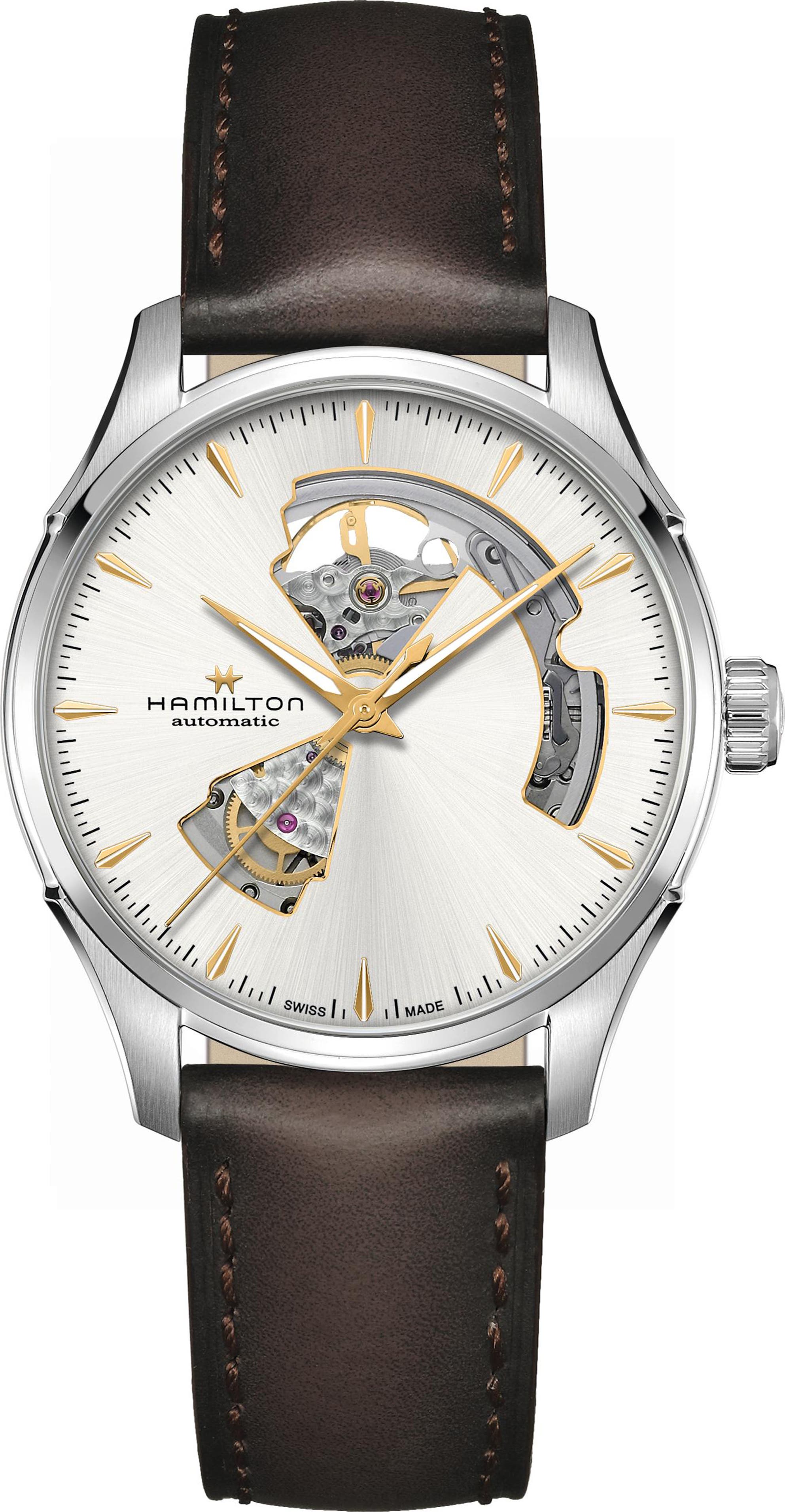
If the five-figure price tag is out of reach, the Orient Bambino 38mm captures the dauphine hands and date window aesthetic for around $150. The Seiko Presage Cocktail Time SRPB43 offers a stunning dial and automatic movement, though it’s much thicker at 11.3mm. Neither approaches the finishing or brand cachet, but they channel the dressy spirit.
Investment and Value Retention
With an MSRP of $22,900, the 4400E is not an impulse buy. Pre-owned examples trade between $15,000 and $19,000, meaning you’ll lose about 15-25% if you sell quickly. The trend is stable; these aren’t hyped pieces that spike in value, but they don’t plummet either. My recommendation: buy it to wear it. If you ever need to liquidate, you’ll recover a decent portion, but this is a purchase of passion, not speculation.
Servicing and Maintenance
Vacheron recommends a full service every 4-5 years, costing approximately $800 at an authorised service centre. Independent watchmakers can handle the Caliber 2455, but to maintain the Geneva Seal integrity and paperwork, an official service is advisable. Turnaround times are reasonable, and the brand’s customer service is, in my experience, excellent.
Final Verdict
The Vacheron Constantin Traditionnelle Self-Winding ref. 4400E is a masterclass in restrained luxury. It wears like a silk shirt—light, elegant, and effortlessly refined. For the young collector seeking a daily dress watch that whispers rather than shouts, this is a compelling choice, provided you can live without lume and stay away from water. After a week on my wrist, I didn’t want to give it back. That’s the true test of any watch.