Van Cleef & Arpels Fragrance review
Van Cleef & Arpels First Review – A Timeless Aldehydic Chypre
Jean-Claude Ellena’s 1976 masterpiece: a floral-green symphony that still captivates

In this review
In 1976, a year of disco, punk, and cultural upheaval, Van Cleef & Arpels introduced First—a fragrance that defied the era’s loud excesses with a whisper of timeless sophistication. Created by the young Jean-Claude Ellena, this aldehydic floral chypre was an instant classic, a scent that felt both modern and deeply rooted in the grand tradition of French perfumery.
First opens with a burst of sparkling aldehydes and ripe fruits, then settles into a lush garden of white and yellow flowers, anchored by a mossy, animalic base. It’s a fragrance that demands attention without screaming—a perfect accessory for the woman who commands a room with her presence, not her volume. Decades later, First remains a benchmark for elegance, a olfactory time capsule that still feels fresh.
Today, as the world rediscovers the allure of vintage chypres, First is enjoying a quiet renaissance. Its blend of green florals, powdery orris, and warm amber speaks to a generation seeking authenticity and craftsmanship. Let’s dive into what makes this fragrance an enduring icon.
Accords
Notes Pyramid
Performance Dashboard
8-12 hours (vintage formulation); modern EDTs around 4-6 hours
Strong for the first hour, then settles into a comfortable personal bubble
Heavy—leaves a noticeable trail without being cloying
When to Wear
Pros & Cons
- Masterful composition by Jean-Claude Ellena
- Rich, complex development that rewards patience
- Excellent longevity and sillage (vintage)
- Timeless appeal—never smells dated
- Modern formulations may lack the depth of vintage
- Not for those who shy away from animalic notes (civet)
- Can be overpowering in hot weather or crowded spaces
- Pricey for a 100ml bottle (especially vintage)
Price & Value
“Good value for a classic of this caliber, especially if you find a well-preserved vintage bottle. Modern EDTs are more affordable but less complex.”
Reformulation History
Vintage batches (pre-2000) are richer, with stronger civet and oakmoss. Modern reformulations are lighter and more polite—still beautiful, but lacking the original’s animalic bite. Some collectors report that 1970s bottles have a deeper honey-amber base.
The Family
Explore More
Similar Fragrances
Clone Alternatives
You May Also Enjoy
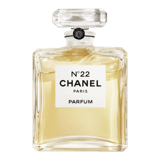 Chanel No. 22
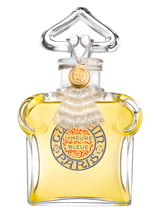 Guerlain l'Heure Bleue
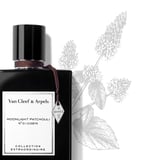 Moonlight Patchouli
 Tsar
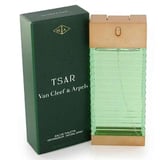 Tsar by Van Cleef & Arpels
 A l'Ombre des Figuiers
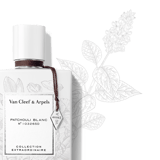 Patchouli Blanc
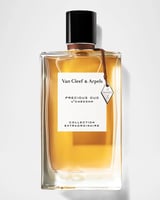 Precious Oud
Layering Ideas
- Layer with a simple vanilla body oil to amplify the base
- Pair with a crisp white floral like Diptyque Olène for a greener effect