YSL Opium Vintage EDT Review: The Definitive Oriental
A scholarly analysis of the 1977 icon that defined an era of perfume hedonism.
By Vivir··Updated
To review the vintage eau de toilette of Yves Saint Laurent's Opium is to engage not merely with a fragrance, but with a seismic event in cultural and olfactory history. Launched in 1977, Opium was a deliberate provocation, a scent so potent, so unabashedly sensual, and so controversially named that it transcended the perfume counter to become a symbol of an era's decadent glamour. It was not designed to be liked; it was designed to be unforgettable.
In the contemporary landscape of transparent musks and safe, fruity florals, revisiting the vintage Opium EDT is a masterclass in perfumery's capacity for grandeur. This concentration, often overlooked in favor of the more intense Parfum or Eau de Parfum, possesses a unique character—a slightly brighter, more effervescent opening that gradually surrenders to the profound, resinous depths that define the Opium signature. It is a more wearable, yet no less mesmerizing, iteration of the myth.
This analysis will deconstruct its legendary architecture, explore its formidable performance, and contextualize its enduring legacy within the canon of great orientals. We will examine the fragrance as Dr. Laurent Beaumont of Vivir.com, focusing on its composition, heritage, and the visceral experience it delivers decades after its creation.
$150-$500+ (for authentic vintage bottles, depending on size, concentration, and year)
Powerful for the first 3-4 hours, projecting arm's length or more. It then gradually settles into a strong personal bubble for several more hours before becoming an intimate skin scent of great tenacity.
💨 Sillage
Formidable. For the first 4-6 hours, it creates a vast, opulent scent cloud, a true 'parfum de sillage' that announces its presence eloquently without being gauche. It leaves a beautiful trail.
✅ Unparalleled complexity and depth of composition
✅ Legendary longevity and sillage
✅ A masterpiece of olfactory history and art
✅ Unique, unforgettable signature
✅ High-quality, now-rare ingredients (e.g., real sandalwood)
❌ Can be overwhelming in heat or close quarters
❌ Polarizing; not a 'crowd-pleaser' in the modern sense
❌ Vintage bottles are expensive and require careful sourcing
❌ The modern reformulation (post-2000s) is a pale shadow, causing confusion
Price & Value
$150-$500+ (for authentic vintage bottles, depending on size, concentration, and year)
“For aficionados of perfume history and oriental classics, the vintage EDT represents significant value. You are paying for an olfactory artifact, a composition impossible to replicate today due to ingredient restrictions and cost. It is an investment in an experience.”
Reformulation History
Moderate variations exist between early 1980s 'paintbrush' bottles, late 80s/90s rectangular boxes, and specific 'Made in France' vs. later periods. Early versions often have a richer, more animalic base and brighter top notes. The shift from oakmoss to treemoss in the 90s also altered the chypre-like dryness in the base. Knowledgeable vintage dealers can often date batches by box design and bottle details.
Estée Lauder Cinnabar (1978) – the closest 'homage', sharing the clove-carnation-amber structure.
Shiseido Nombre Noir – Rarer, more floral, but from the same era of bold, complex statements.
Guerlain Vol de Nuit – Shares a certain dark, sophisticated elegance and spicy-oriental facets.
Dana Tabu – A more affordable, less complex progenitor of the spicy-oriental genre.
Clone Alternatives
No true clone exists for the vintage profile. Modern attempts capture facets but lack the depth, richness, and natural sandalwood. Perfumer's Workshop 'Moment Supreme' and some oil perfumery 'interpretations' attempt the general theme.
Layer sparingly with a simple, clean sandalwood soliflore to amplify the woody base.
A single drop on top of a vanilla-centric skin cream can personalize and soften the dry-down.
Final Verdict
Yves Saint Laurent Opium Vintage Eau de Toilette is not merely a perfume; it is an institution. It represents a pinnacle of perfumery where artistic ambition, technical mastery, and cultural daring converged. While its power and profile may not align with contemporary minimalist tastes, its stature as a landmark of the Oriental genre is unassailable. For the discerning fragrance analyst or collector, experiencing the vintage EDT is essential—a vivid journey into the heart of perfumery's most opulent and controversial dreams.
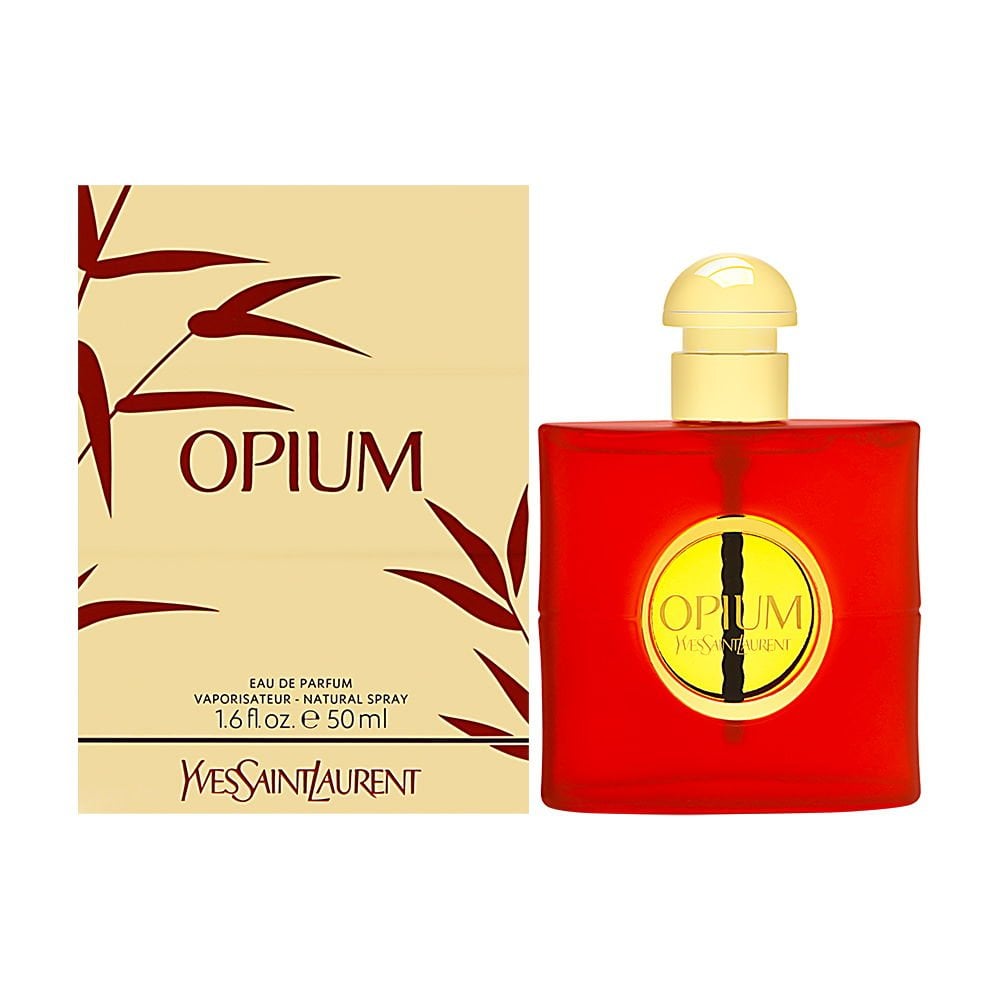
 Opium Parfum (1977)
 Opium pour Homme (1995)
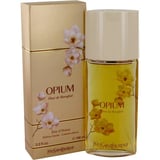 Opium Fleur de Shanghai (2005 Limited)
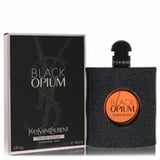 Opium Fleur Imperiale (2007 Limited)
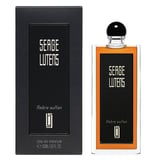 Serge Lutens Ambre Sultan
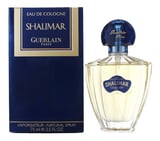 Guerlain Shalimar
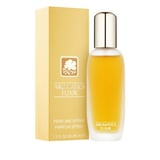 Clinique Aromatics Elixir
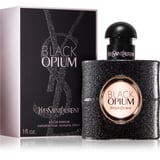 YSL Black Opium
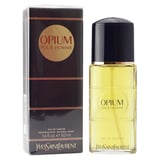 Opium pour Homme EDP (Vintage)
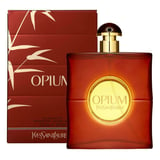 YSL Opium
 YSL Y EDP
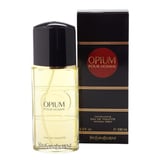 YSL Opium pour Homme
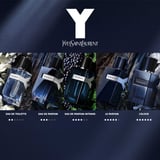 Y Laform