The Blackout brief
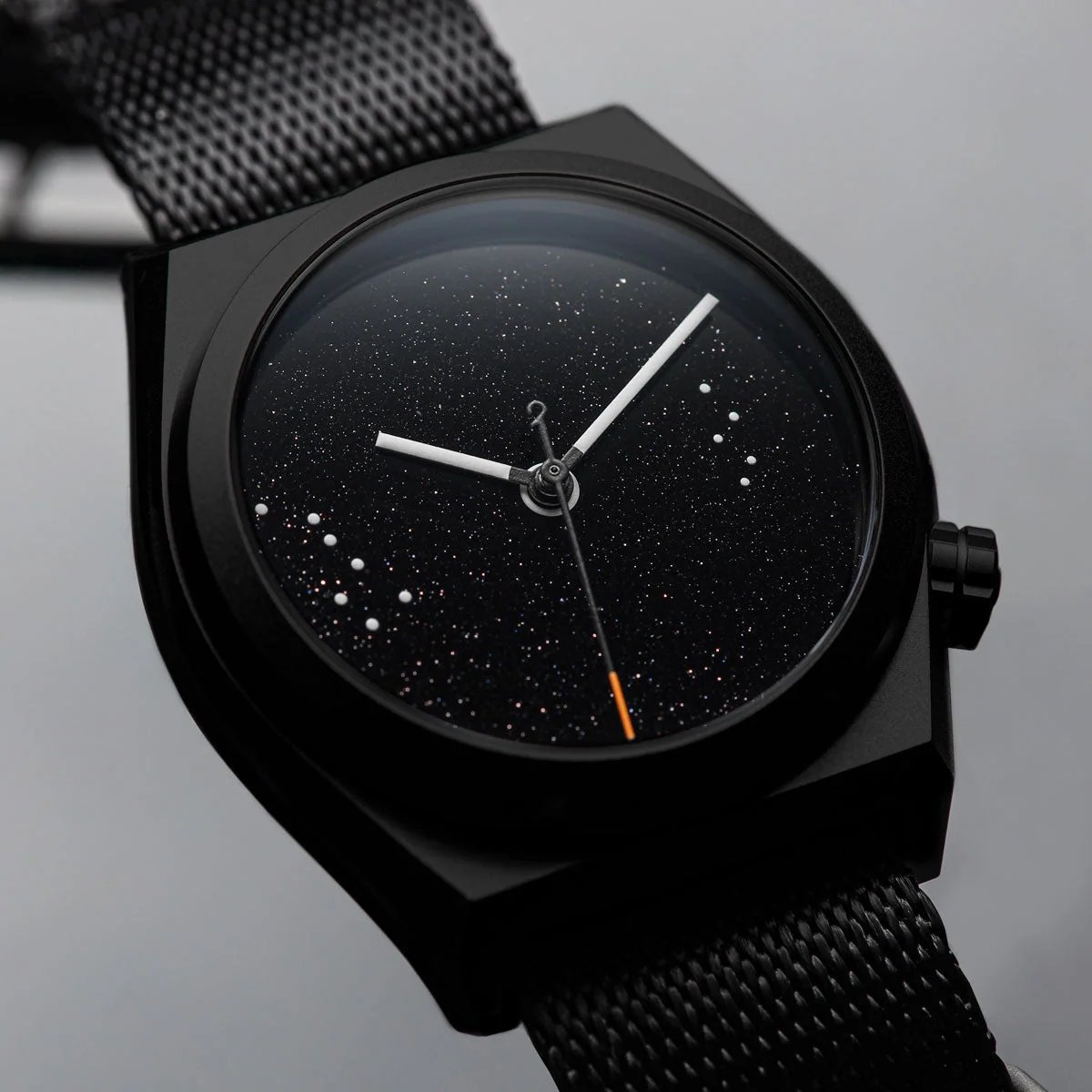
The Polaris Blackout is built around contrast, or rather the deliberate reduction of it. The case, dial, and hardware lean into a dark, monochrome palette. That choice gives the watch a tactical flavor, but it also changes how the watch reads on the wrist. Traditional GMTs often use a bright 24-hour hand or a colorful bezel to separate home time from local time. The Blackout compresses those cues into a quieter visual system. You still get the information, but you have to look for it.
That is not a flaw. It is the entire proposition. The Blackout is for the person who likes the idea of a GMT but does not want a watch that looks like a cockpit checklist. The dark palette works with a black rubber strap, a NATO, or even a dark leather strap, and it keeps the watch from competing with whatever else you are wearing. In a market where microbrands often try to shout with color, the Polaris Blackout whispers.
Boldr in context
Boldr Supply Co. was founded in 2016 in Singapore, and the brand has built its identity around adventure-ready watches rather than red-carpet flexes. Models like the Odyssey, Expedition, Venture, and Field Medic have made Boldr a familiar name among collectors who want a dependable tool watch without paying heritage-brand premiums. The company's catalog is broad, but the through-line is consistent: legible dials, robust cases, and movements that are easy to live with and service.
The Polaris line fits that story by moving into travel-watch territory. A GMT is a natural extension for a brand that talks about exploration, because a GMT is essentially a navigation tool for the wrist. The Blackout variant takes the Polaris formula and turns down the visual volume. It is not a limited-edition art piece. It is a production tool watch with a specific aesthetic brief, and that makes it more interesting than yet another steel GMT with a red-and-blue bezel.
Movement: Miyota 9075
The Polaris Blackout runs on a Miyota 9075 automatic GMT movement. This is a Japanese workhorse, not an in-house manufacture caliber, and that is the right call for a watch in this segment. The 9075 is a true GMT design with a jumping local hour hand, which is exactly what you want when you land in a new time zone and need to set local time without disturbing the home-time reference. It also offers hacking, hand-winding, and a date function.
The technical brief is familiar: automatic winding, a 42-hour power reserve, a frequency of 28,800 vibrations per hour, and 24 jewels. Those numbers are not spectacular, but they are honest. The 9075 is the kind of movement that watchmakers know, parts are available, and service is straightforward. The finishing is industrial rather than decorative, which is appropriate for a blacked-out tool watch. You are not buying this watch for an exhibition caseback. You are buying it for the convenience of a true GMT at a reasonable price.
One thing to keep in mind is that the Miyota 9075 is not COSC-certified. Boldr does not position the Polaris Blackout as a chronometer, and buyers should expect workhorse accuracy rather than laboratory-grade rate stability. That is not a knock. It is a question of expectations. The movement is reliable, easy to live with, and well matched to the watch's adventure brief.
Case, dial, and lume
The Polaris Blackout uses a titanium case, which gives the watch a lightweight feel that suits the blackout concept. Titanium also adds a sense of purpose: it is the material you expect on a watch designed for outdoor use, and it keeps the Polaris from feeling like a heavy chunk of steel on the wrist. The black finish gives the case a stealthy, almost matte presence. It is not a showy black; it is the kind of black that recedes into a jacket sleeve and looks at home next to a backpack strap.
The dial is where the Blackout aesthetic really lands. The markers and hands are dark-tone, and the overall effect is low-contrast until light hits the lume. That means the watch is not always the easiest read in dim conditions, but it is far from illegible. The date window is integrated into the dial without drama, and the GMT hand is present without shouting. Boldr has resisted the urge to add bright orange or red accents, which keeps the watch coherent. The sapphire crystal adds scratch resistance and a clean view of the dial.
Lume is a key part of any blackout watch, because a dark dial can become a void at night. The Polaris Blackout uses Super-LumiNova, and the application is strong enough to make the watch useful after dark. The hands and markers glow with the familiar green-blue tint, and the GMT hand is readable enough to track a second time zone without turning on a phone. It is not a lume monster in the style of a professional dive watch, but it is more than adequate for a night hike, a hotel room, or a red-eye flight.
On the wrist
The Polaris Blackout wears like a modern tool watch should. The titanium case keeps the weight down, and the black finish makes it visually compact. It sits close to the wrist, and the rubber strap integrates cleanly with the case without a lot of excess bulk. The pin buckle is simple and secure, and the strap is comfortable from the first wear. There is no long break-in period and no sense that the watch is fighting your wrist.
Because the watch is blacked out, it does not have the wrist presence of a polished steel GMT. That is a good thing for some buyers and a drawback for others. If you want a watch that catches light across a dinner table, the Blackout is not that watch. If you want a watch that disappears under a cuff and only reveals itself when you need it, the Polaris Blackout delivers. It feels balanced, secure, and easy to forget in the best way. The one compromise is legibility in low light: the dark dial and dark hands can blend together, so you will occasionally rely on the lume or tilt your wrist toward a light source.
Accuracy and daily life
Real-world accuracy from the Miyota 9075 should land in the range of roughly -10 to +15 seconds per day for a healthy example. That is typical for a non-certified Japanese automatic, and it is more than acceptable for a travel watch. You may see better or worse depending on position, temperature, and how active you are. The movement is not regulated to chronometer standards, so do not expect quartz-like consistency. What you can expect is a reliable, repairable movement that does not require special care.
The GMT function is the star of the show. The jumping local hour hand makes it easy to set the watch when you land, and the 24-hour hand lets you keep an eye on home time. The date function is useful for daily wear, and the automatic winding means you do not have to think about it as long as you wear the watch regularly. The 42-hour power reserve is enough for a weekend off the wrist, though you will need to reset the watch if it sits longer than that. For a tool watch, the ownership experience is refreshingly simple.
Occasions and wrist presence
The Polaris Blackout is at its best in sport, daily, and travel settings. It is a natural companion for a hiking trip, an airport day, or a casual weekend. It can work with a dark shirt and trousers, but it is not a formal watch. The blackout look is too utilitarian for a tuxedo, and the rubber strap pushes it further toward casual territory. If you want a GMT that can dress up, look at a steel sports watch with a bracelet. If you want a GMT that can take a beating and look good with a field jacket, the Blackout is in its element.
On a five-point scale, the wrist presence is about a 3/5. It is not invisible, but it is not a statement piece. The black finish and titanium case give it a subdued, purposeful look. People who know watches will notice the Boldr name and the GMT hand. Everyone else will see a black tool watch. That is exactly the point.
Variants and family
The Polaris Blackout is the dark, stealth-oriented version of the Polaris formula. The standard Polaris variants use brighter accents and more conventional contrast, which makes them easier to read but less distinctive. The Blackout is the one for buyers who want the GMT utility without the usual travel-watch color story. Within the broader Boldr family, the Odyssey and Expedition are the closest siblings in spirit. The Odyssey leans dive watch, the Expedition leans field watch, and the Polaris Blackout splits the difference with a travel complication and a tactical finish.
If you are comparing the Blackout to other Boldr models, the decision comes down to use case. The Odyssey is for water and abuse. The Expedition is for trail and camp. The Polaris Blackout is for movement: airports, time zones, and the kind of travel where you want one watch to do everything. It is not a dedicated dive watch, and it is not a dress watch. It is a travel tool.
Comparisons
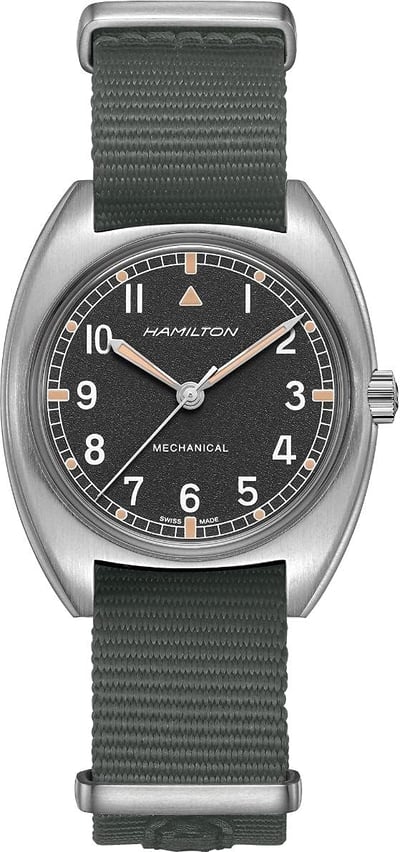
Against the Seiko Prospex Land GMT, the Boldr offers a more microbrand, blacked-out aesthetic and a titanium case. The Seiko has broader brand recognition and a huge service network, but the Boldr feels more singular. Against the Hamilton Khaki Field Expedition, the Boldr is more tactical and less heritage-forward. The Hamilton is the safer choice for a traditional field-watch buyer; the Boldr is the more distinctive choice for someone who wants a GMT with a stealth finish.
At the higher end, the Longines Spirit Zulu Time and Tudor Black Bay Pro offer more finishing, more brand history, and more wrist presence. They also cost significantly more. The Polaris Blackout is not trying to compete with those watches on luxury terms. It is competing on utility, weight, and looks. If you want a true GMT that you can wear without worrying about scratches and service costs, the Boldr makes a strong case. If you want a watch that will impress at a collectors' dinner, the Longines or Tudor will do more work.
Homages and alternatives
The microbrand GMT space is crowded, and there are cheaper homages that borrow the blacked-out travel-watch look. The Pagani Design PD-1662 GMT is a budget option with a similar brief, though it does not match the Boldr's titanium case or microbrand identity. The Addiesdive GMT is another low-cost alternative for buyers who want the look without the price. These watches can be fun, but they are not replacements for the Boldr. The Polaris Blackout offers a better movement, a more coherent design, and a brand that stands behind its products.
For buyers who want a similar vibe from a more established brand, the Seiko 5 Sports GMT is worth a look. It is not a homage, but it occupies the same affordable travel-watch space. The Boldr is more rugged and more distinctive; the Seiko is more widely available and easier to service. The choice depends on whether you value character or convenience.
Investment and ownership
The Polaris Blackout is not an investment watch. Microbrand GMTs do not have the auction history or brand equity of a Rolex or Patek Philippe, and that is fine. You buy this watch to wear it. The secondary market is thinner than it is for mainstream brands, and prices depend on condition, completeness, and whether the buyer specifically wants the Blackout finish. If you buy used, expect to pay less than retail, and do not count on appreciation. The value is in the ownership experience: a lightweight titanium GMT with a reliable movement and a distinctive look.
Service is straightforward. The Miyota 9075 is a known quantity, and independent watchmakers can service it without the drama of an in-house caliber. Boldr can advise on service centers, and authorized service is not strictly necessary for a movement this common. The watch is not a fragile heirloom. It is a tool, and it should be treated like one. That means regular wear, occasional service, and no fear of scratches.
Pros and cons
The pros are clear: a lightweight titanium case, a true GMT movement, a stealthy blackout aesthetic, strong lume, and a comfortable rubber strap. The watch is easy to wear, easy to read in daylight, and easy to live with. It is also a good value in the microbrand GMT segment, especially if you want something other than a steel dive watch.
The cons are equally clear: the blacked-out dial sacrifices some legibility in low light, the black finish may show wear over time, and the watch is not a dress piece. The secondary market is thin, so do not buy it as a flip. And if you need chronometer accuracy, the Miyota 9075 is not that movement. These are not dealbreakers for the right buyer. They are simply the trade-offs that come with the Blackout concept.
Final verdict
The Boldr Polaris Blackout is a smart, distinctive take on the microbrand GMT. It takes a proven Japanese movement, wraps it in a lightweight titanium case, and commits to a blackout aesthetic that is more than a colorway. It is a watch for travelers who do not want to look like they are wearing a cockpit instrument, and for collectors who value utility over hype. It is not perfect: the low-contrast dial and thin resale market will send some buyers elsewhere. But for the right wrist, it is a compelling daily companion.
If you want a true GMT that feels at home on a trail, in an airport, or under a jacket cuff, the Polaris Blackout deserves a spot on your shortlist. It is not a safe queen, and it is not an investment. It is a tool watch with a point of view, and that is increasingly rare.