The Integrated Bracelet Arms Race
In the current horological climate, the integrated bracelet watch is the equivalent of a diversified index fund—it is the safest, most desirable, and most scrutinized category in the market. When Bremont announced the Supernova, the industry took a collective breath. Would the Henley-on-Thames outfit attempt a Genta clone, or would they bring something distinctly British to the table? The answer, as it turns out, is a bit of both, wrapped in a 2,000 Vickers-hardened steel shell.
Market Positioning: The Discerning Buyer's Perspective
Let’s be candid. If you are reading Vivir, you aren't looking for a 'value' watch; you are looking for a piece that communicates status, taste, and technical awareness. The Supernova sits in a precarious but exciting price bracket. At nearly $9,000, it challenges the IWC Ingenieur and the Zenith Defy Skyline. From a market-driven perspective, the Supernova is a 'contrarian buy.' It doesn't have the immediate liquidity of a Rolex GMT-Master II, but it possesses a 'founder’s energy' that appeals to the tech-entrepreneur and the young heir alike. It says, 'I know enough about watches to look past the obvious choices.'
Engineering the Trip-Tick Case
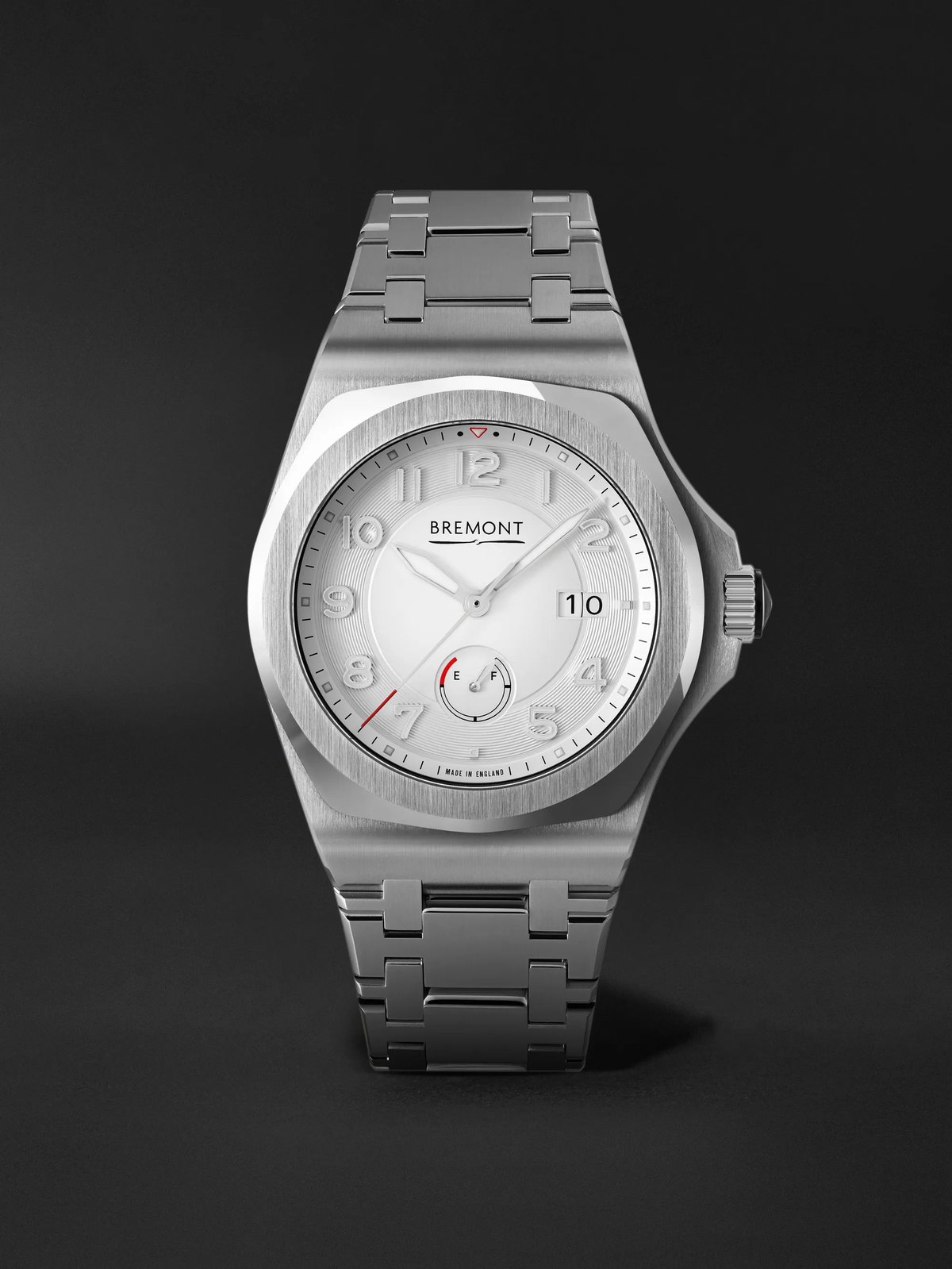
Bremont has always been obsessed with durability. Their patented Trip-Tick case construction is not just marketing fluff; it is a three-piece architectural marvel. In the Supernova, this construction is refined. The hardened steel is practically scratch-proof, which is a significant selling point for anyone who actually wears their watches rather than keeping them in a safe. The Midnight Blue dial features a layered construction with a recessed power reserve at 6 o'clock and a date window at 3, providing a visual depth that justifies the price point.
The Heart of the Matter: The ENG375 Movement
The true 'alpha' of this watch is the ENG375 movement. For years, critics poked fun at Bremont for using ETA and Sellita bases. The ENG300 series is their rebuttal. By bringing the manufacturing of the baseplates, bridges, and other critical components to the UK, Bremont has entered an elite tier of watchmaking. The movement is aesthetically industrial—no over-the-top perlage here, but rather clean, rhodium-plated lines and a silicon escapement. It is a movement built for the 21st century, offering a 65-hour power reserve that easily handles a 'weekend off' without losing time.
The Resale Reality: Hold or Flip?
As an analyst, I must highlight the 'hold vs. flip' dynamics. Bremont watches typically experience a sharp initial depreciation on the secondary market. If you buy a Supernova at retail today, do not expect to sell it for a profit tomorrow. However, we are seeing a stabilization in Bremont's 'Manufacture' pieces. As the brand moves away from third-party movements, the early ENG300 pieces like the Supernova may become the 'collector’s darlings' of the 2030s. This is a long-term play. It is a 'Hold' for the collector who values the narrative of British horological revival.
Aesthetic and Ergonomics
The bracelet is where many integrated designs fail, but Bremont has succeeded. The transition from the case to the first link is seamless, avoiding the 'blocky' feel of some competitors. The butterfly clasp is secure, though the lack of a micro-adjustment feature is a slight oversight for a watch intended for daily wear. On the wrist, the 40mm diameter is the 'Goldilocks' zone—not too small for a modern sports watch, not too large for a tailored suit.
Final Thoughts
The Bremont Supernova is a sophisticated tool for the modern gentleman. It bridges the gap between the rugged aviation history of the brand and a new, more refined future. While the investment value is currently tied to the brand's growing pains, the physical product is undeniable. It is a watch for those who lead, not those who follow the 'hype' crowd.