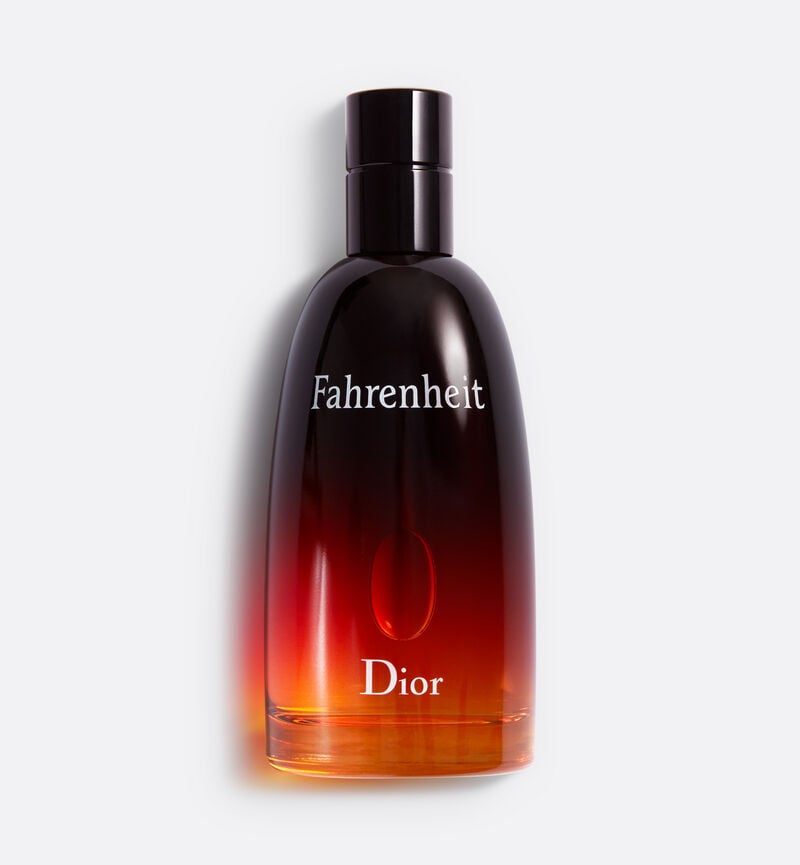
Dior Fahrenheit (Vintage)
In this review
In the annals of perfumery, few fragrances have achieved the cult status of Dior Fahrenheit. Launched in 1988, this olfactory landmark was a radical departure from the fougère and chypre conventions that dominated men's fragrance at the time. Conceived by a triumvirate of perfumers—Jean-Louis Sieuzac, Michel Almairac, and Maurice Roger—Fahrenheit introduced a new olfactory vocabulary: the 'gasoline' accord, a synthetic leather note, and a striking violet leaf top note that together created an aura of industrial elegance.
Fahrenheit was not merely a scent; it was a statement. It arrived during a period when men's fragrances were either fresh and citrusy or heavy and woody. Fahrenheit bridged these worlds, offering a composition that was simultaneously warm and cool, natural and synthetic. Its name, borrowed from the temperature scale, hinted at a fiery, passionate character, yet the fragrance itself is a study in contrasts—a cold violet opening that gives way to a warm, leathery heart.
This review delves into the vintage formulation of Dior Fahrenheit, examining its composition, heritage, and enduring influence. We will explore the notes, accords, performance, and the cultural context that made Fahrenheit a benchmark for modern perfumery. Whether you are a seasoned collector or a curious newcomer, understanding Fahrenheit is essential to appreciating the evolution of masculine scent.
Accords
Notes Pyramid
Performance Dashboard
6-8 hours
moderate
moderate to heavy
When to Wear
Pros & Cons
- ✅ Iconic, groundbreaking composition
- ✅ Excellent longevity and sillage
- ✅ Versatile for various occasions
- ✅ Rich, complex development over time
- ❌ Polarizing gasoline note may not suit all
- ❌ Vintage formulations can be expensive and hard to find
- ❌ Modern reformulations lack the same intensity
- ❌ Not ideal for hot summer days
Price & Value
“For a 100ml EDT, the price is reasonable given its status and performance. Vintage bottles command higher prices, but the current formulation offers good value for a classic.”
Reformulation History
Vintage Fahrenheit (pre-2000) is known for a stronger gasoline accord, richer leather, and better longevity. Reformulations in the 2000s toned down the violet leaf and increased the woody notes. Some batches from the early 1990s are highly sought after for their intensity.
The Family
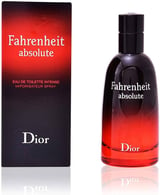 Fahrenheit Absolute
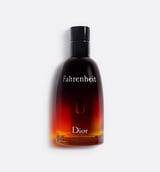 Fahrenheit 32
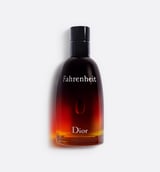 Fahrenheit Cologne
 Fahrenheit le Parfum
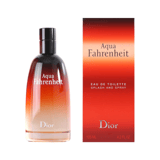 Fahrenheit Aqua
Explore More
Similar Fragrances
 Bleu de Chanel
 L'Eau d'Issey pour Homme
 Egoiste Platinum
 Terre d'Hermès
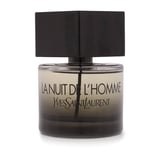 La Nuit de l'Homme
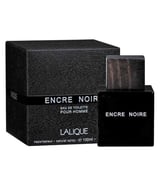 Encre Noire
Clone Alternatives
You May Also Enjoy
 Guerlain l'Instant de Guerlain pour Homme
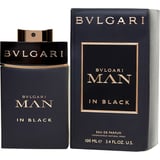 Bvlgari Man in Black
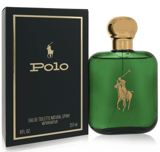 Ralph Lauren Polo Green
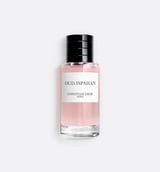 Oud Ispahan Esprit de Parfum Extrait
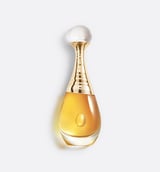 J'adore Intense
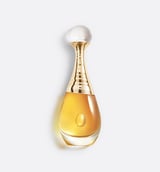 J'adore l'Or
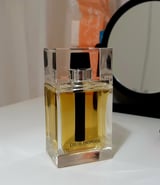 Homme (2011 onwards)
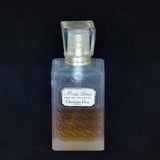 Miss Dior (Original Vintage Formulations)
 Miss Dior (Original 1947)
Layering Ideas
- Layer with a vanilla-based fragrance to soften the gasoline edge
- Combine with a clean musk scent for a modern twist
- Use a leather-scented body lotion to amplify the base notes