Elizabeth Arden Fragrance review
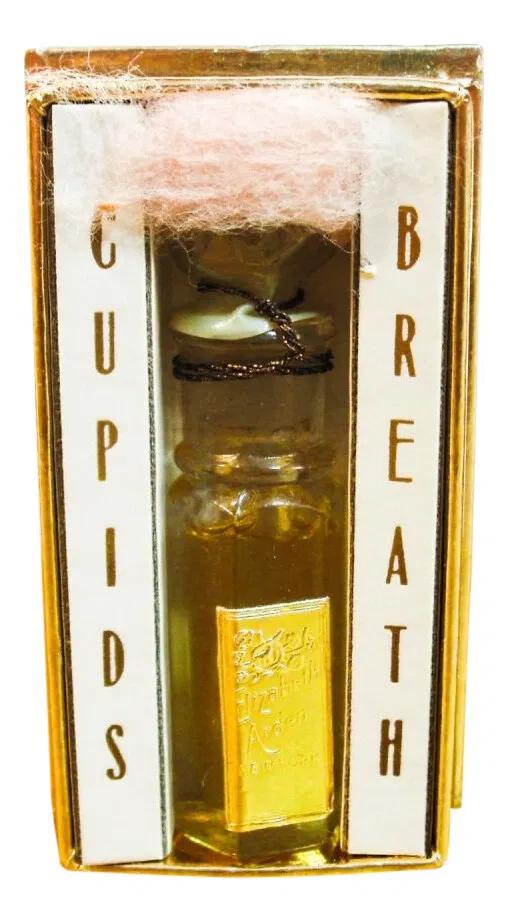
Elizabeth Arden Cupids Breath: A 1936 Olfactory Pastoral
Rediscovering the Ephemeral Lilac and Tea Accord of the Pre-War Era
In this review
Accords
Notes Pyramid
Scent Journey
The initial 30 minutes are dominated by a crystalline lilac note, supported by the verdant, slightly astringent qualities of green and white tea. It is remarkably crisp and dew-drenched.
As the tea notes settle, the heart reveals a delicate Sakura (Cherry Blossom) accord. This provides a soft, watercolor-like floralcy that bridges the gap between the green opening and the powdery finish.
The fragrance concludes as it began, with a persistent but softened lilac. The drydown is clean, reminiscent of high-end botanical soaps, with a lingering sweetness that feels natural rather than gourmand.
Performance Dashboard
Moderate (vintage formulation); typically lasts 4-6 hours on skin.
Intimate to moderate; stays close to the wearer.
Soft; creates a personal aura rather than a trail.
When to Wear
Pros & Cons
- Authentic, non-synthetic lilac note
- Revolutionary use of tea notes for the 1930s
- Highly versatile and office-safe
- Limited longevity
- Difficult to find in its original 1936 formulation
- May feel too 'simple' for modern niche fans
Price & Value
“Primarily for collectors and fragrance historians.”
Reformulation History
Significant variations exist between early 20th-century extraits and later mid-century EDT reinterpretations.
Who It's For
Ideal For
- Vintage enthusiasts
- Lovers of lilac and green tea
- Those seeking a polite, professional scent
Not Recommended For
- Fans of heavy orientals
- Those seeking high-projection 'beast mode' fragrances
The Family
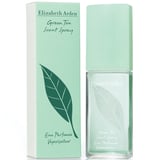 Green Tea
Explore More
Similar Fragrances
 2000 Fleurs
You May Also Enjoy
 En Passant
Frédéric Malle
 White Tea
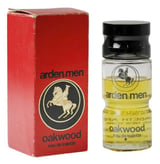 Arden for Men Oakwood
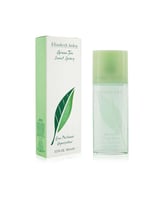 Green Tea Brume Parfumee
 Elizabeth Arden Red Door Revealed
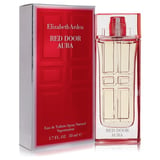 Red Door Aura
 Sunflowers Fine Fragrance Mist
Layering Ideas
- Layer with a simple musk to extend longevity
- Combine with a citrus cologne for added brightness