Grès Fragrance review

Grès Cabochard (Vintage): The Quintessential Leather Chypre

A scholarly dissection of Bernard Chant's 1959 masterpiece—an audacious, aldehydic leather that redefined femininity.
By Vivir ·
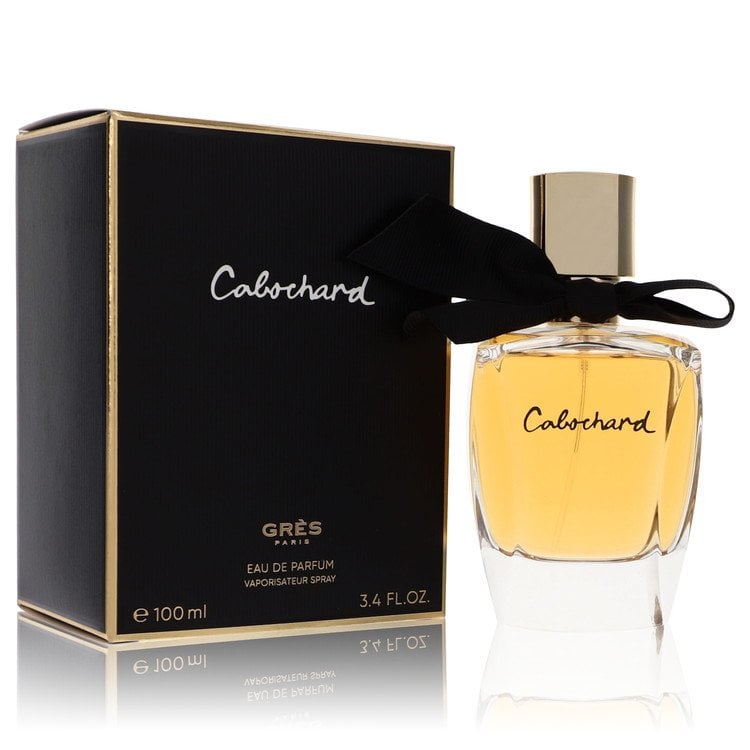
In the pantheon of 20th-century perfumery, few creations command the reverence and scholarly attention afforded to Grès Cabochard. Launched in 1959, this audacious leather chypre was the olfactory embodiment of Madame Alix Grès's sculptural genius—a fragrance that draped the skin like one of her legendary bias-cut gowns, simultaneously severe and sensual. Composed by the great Bernard Chant, Cabochard (meaning 'headstrong' or 'stubborn') was a defiant statement of modern femininity, a perfume for a woman who was not content to be merely decorative. It arrived at a pivotal moment when the chypre structure, already revolutionized by the introduction of leather and animalic notes in creations like Piguet's Bandit, was ready for its next evolution. Cabochard did not just follow; it led, offering a complex, aldehydic, and smoky interpretation that would influence masculine perfumery for decades to come. To understand Cabochard is to understand the architecture of a classic chypre: a bergamot-infused citrus top that quickly yields to a rich, floral-labdanum heart, all anchored by an oakmoss and leather base. Yet Chant's genius was in the details. He introduced a piercing, almost medicinal aldehydic blast in the opening, a bitter greenness from sage and tarragon, and a dark, animalic undercurrent from asafoetida—a resinous gum with a sulfurous, garlicky reputation that, in trace amounts, imparts an unsettling, leathery depth. The result is a fragrance that is at once beautiful and confrontational, a perfume that demands a wearer with a strong sense of self. This review will dissect the vintage formulation of Cabochard, exploring its composition, evolution, and enduring legacy, while acknowledging the inevitable changes wrought by reformulation and the passage of time.
$15 (modern EdT mini) - $250+ (vintage Parfum/extrait, depending on rarity and condition)
SpringSummerFallWinter

Accords

woody earthy aromatic leather mossy tobacco aldehydic warm spicy sweet animalic

Notes Pyramid

Top
AldehydesSageSpicesTarragonAsafoetidaLemonFruity Notes
Heart
GeraniumOrris RootRoseJasmineYlang-Ylang
Base
LeatherOakmossTobaccoVetiverPatchouliSandalwoodMuskAmberCoconut

Performance Dashboard

Longevity

10-14 hours (vintage Parfum/EdT)

Projection

Strong to monstrous in the first 3-4 hours, then gradually settles into a more intimate but still clearly perceptible aura. The base notes radiate warmth for an extended period.

Sillage

Enormous; the vintage formulation leaves a dense, palpable trail that fills a room without apology. It is a statement of presence, not a whisper.

When to Wear

SpringOK
SummerAvoid
FallBest
WinterBest
formal evening eventsblack-tie galastheatre and operaromantic dinnersconfident daytime wear for the bold

Pros & Cons

  • Masterpiece of classical perfumery with a profound historical significance
  • Exceptionally complex and evolving structure that reveals new facets over hours
  • Powerful longevity and sillage; a little goes a long way
  • Uncompromising, bold character that stands out in a market of sweet florals and gourmands
  • Versatile within its formal and cooler-weather niche; can be worn by any gender confidently
  • Vintage formulations are increasingly rare and expensive; modern versions lack the original's depth and animalic richness
  • The opening aldehydic blast and asafoetida note can be off-putting to those accustomed to modern perfumery
  • Not suitable for hot, humid weather or conservative office environments
  • Requires a certain confidence and maturity to wear; not a 'safe blind buy'

Price & Value

$15 (modern EdT mini) - $250+ (vintage Parfum/extrait, depending on rarity and condition)

“Modern formulations are widely available at budget prices but are a shadow of the original. Vintage bottles, particularly the parfum/extrait, command high prices on the secondary market and offer the true, uncompromised experience. For the serious collector, the investment is justified; for the curious, a vintage EdT can be a more accessible entry point.”

Reformulation History

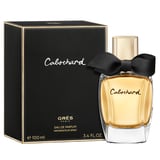
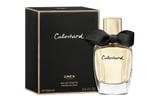
Significant batch variations exist between the original 1959 formulation and subsequent reformulations. The most profound changes occurred due to IFRA restrictions on oakmoss and animalic musks, which stripped the base of its dark, earthy, and leathery profundity. Early vintage batches (1960s-1970s) are renowned for their rich, smoky leather and mossy depth. The 1980s saw a gradual softening, and by the 1990s, the fragrance had become a paler, more floral-aldehydic scent. The 2019 Eau de Parfum reissue, while pleasant, is a modernized interpretation that lacks the original's animalic growl and tenebrous oakmoss. Collectors seek out the 'Cabochard' parfum in the sculpted frosted glass bottle with the black cap as the holy grail.

The Family
Cabochard Eau de Toilette (original concentration, launched alongside the Parfum) Cabochard Eau de Toilette (original concentration, launched alongside the Parfum) Grès
Cabochard Eau de Parfum (2019 reissue, a modernized version)
Cabochard Sport (a lighter, fresher flanker from the 1990s, now discontinued)
Cabochard Homme (a masculine counterpart, not a direct flanker but sharing the name)

Explore More

Similar Fragrances

Robert Piguet Bandit (the original leather chypre, sharper and greener, with a more pronounced galbanum and leather)
Chanel Cuir de Russie (a smoother, more luxurious birch leather with floral elegance and aldehydes)
Caron Tabac Blond (a smoky, leathery oriental with a prominent tobacco note, less mossy) Caron Tabac Blond (a smoky, leathery oriental with a prominent tobacco note, less mossy) Caron
Lanvin Scandal (a sister leather chypre from the same era, with a more pronounced animalic and honeyed character)

Clone Alternatives

No direct clones exist that capture the full complexity of vintage Cabochard. Modern niche interpretations like Papillon Artisan Perfumes Anubis (a smoky, leathery, animalic scent) or Bogue Profumo Maai (a complex, mossy, animalic chypre) echo its spirit but are distinct compositions.

You May Also Enjoy

Aramis Aramis (also by Bernard Chant, a masculine leather chypre that shares Cabochard's structure and many notes)
Estée Lauder Azuree (a sunny, herbal leather chypre, also by Chant, with a similar aldehydic opening)
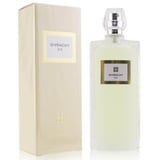
Givenchy III (a greener, more floral chypre with a mossy base, from 1970) Givenchy III (a greener, more floral chypre with a mossy base, from 1970) Givenchy
Clinique Aromatics Elixir (a powerful, mossy, patchouli-rose chypre with a similar bold character) Clinique Aromatics Elixir (a powerful, mossy, patchouli-rose chypre with a similar bold character) Clinique

Layering Ideas

Final Verdict

Grès Cabochard, in its vintage form, remains a towering achievement of perfumery—a fearless, intellectual leather chypre that challenges and rewards in equal measure. While reformulation has dimmed its original brilliance, the hunt for a well-preserved vintage bottle is a pilgrimage every serious fragrance lover should undertake. It is not merely a perfume; it is a piece of olfactory history, a testament to Bernard Chant's genius, and a reminder that true elegance is never safe.

More fragrances we love

Sponsored picks

Also worth your attention: watches

Sponsored picks
vintage perfumeleather chypreBernard ChantGrèsclassic fragranceanimalicoakmossaldehydicfeminine powerhouseperfume history