By Edward Sterling, Watch Investment Analyst
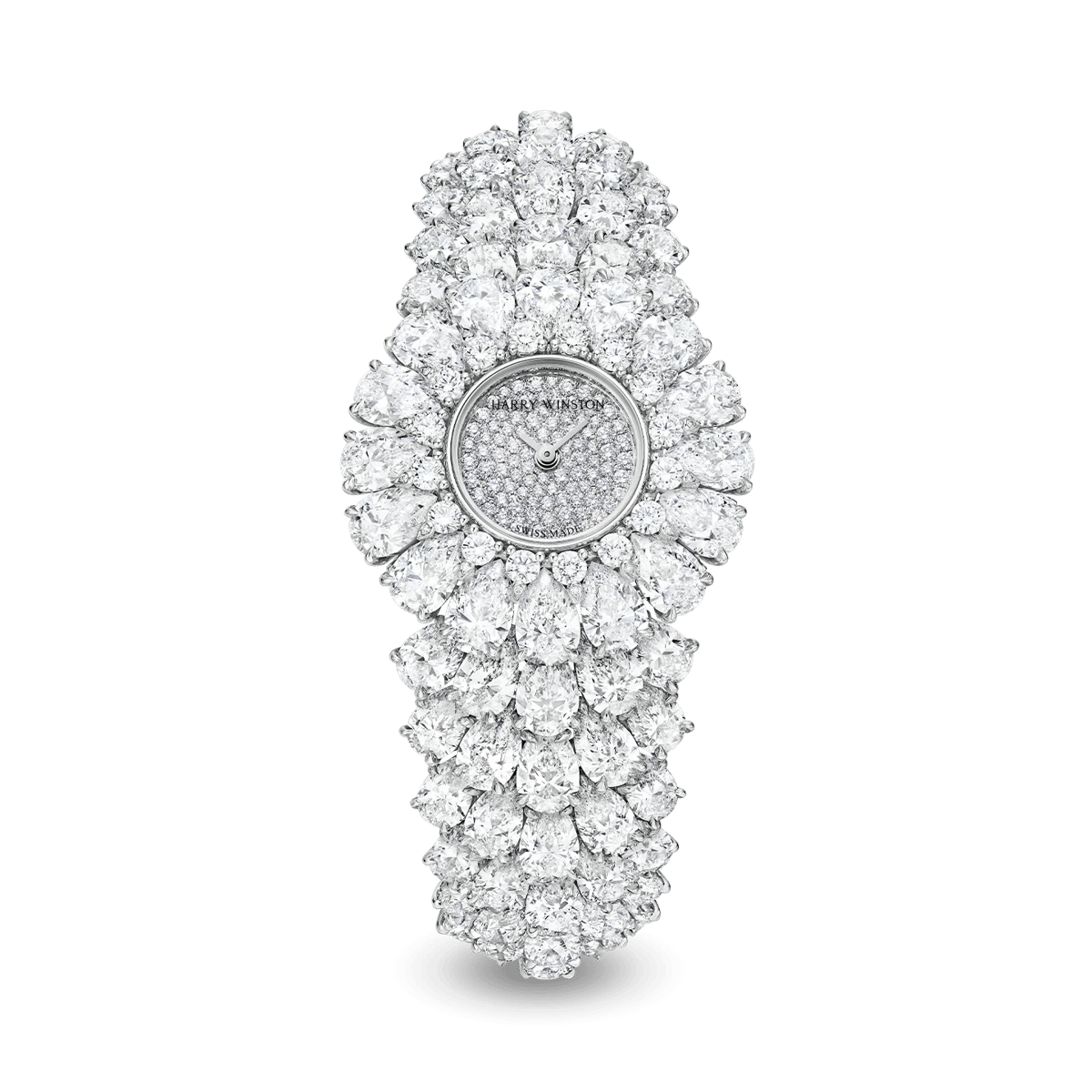
The Harry Winston Bling Ball is not a watch you evaluate like a Submariner, a Royal Oak, or a Nautilus. It is a jewelry-first object from a house whose name is synonymous with diamonds, and that changes the entire investment and ownership framework. Public documentation is thin, examples can vary by gem-setting and lot, and the secondary market is narrow. That is not a reason to dismiss it; it is a reason to buy with discipline.
In this review I focus on what serious collectors can actually verify: brand context, wearability, movement and service considerations, resale behavior, and the hold-versus-sell judgment. I will not invent dimensions, calibers, reference numbers, or auction prices where the public record does not support them. For a piece like the Bling Ball, provenance and condition matter more than a spec sheet.
What the Bling Ball Is
The Bling Ball sits at the intersection of Harry Winston’s high-jewelry DNA and a small-format wristwatch. It is a diamond-forward piece, and its market identity is built on sparkle, brand cachet, and evening presence rather than tool-watch utility. Collectors should approach it as a jewelry watch, not a daily beater. That distinction drives everything from wearability to resale liquidity.
Because public documentation is limited and examples can differ, the first rule is to verify the individual watch. Ask for the certificate, service history, original invoice if available, and close-up photography of the gem-setting. Confirm whether the bracelet, clasp, and dial are original to the piece. In high jewelry, a single replaced stone or a poorly executed repair can affect both enjoyment and value.
Brand Context: Harry Winston
Harry Winston was founded in New York in 1932 and built its reputation on exceptional diamonds and high jewelry. The house became known as the King of Diamonds, and its watchmaking arm developed in Geneva before the watch and jewelry business became part of Swatch Group in 2013. That history matters for the Bling Ball because the watch is an expression of jewelry credibility first and horological engineering second.
For a collector, Harry Winston offers a different kind of status from a traditional Swiss watchmaker. It is a jewelry house with watchmaking capability, not a watchmaker that added diamonds. The Bling Ball should be judged in that light. If you want a movement-forward collector piece, look elsewhere. If you want a diamond object with a recognizable luxury name, the Harry Winston signature carries real weight.
Movement and Construction
Public documentation for the Bling Ball is sparse and often lot-specific. Many high-jewelry examples are understood to be quartz, but collectors should confirm the movement, service history, and originality for the exact piece. The movement is not the headline here. The construction priority is the diamond-set case, dial, and bracelet, with finishing attention concentrated on gem-setting and visual impact rather than movement decoration.
That does not mean the movement is irrelevant. A quartz watch brings low maintenance and everyday convenience, while a mechanical example brings traditional watchmaking appeal. Either way, the service path should be authorized or specialist-led. High-jewelry watches are not the place for a generalist watchmaker who is unfamiliar with gem-setting and provenance-sensitive components.
Specs and Wearability
The Bling Ball is a gold, diamond-set jewelry watch with a bracelet configuration and no lume. It is not designed for sport, water exposure, or rough daily wear. The crystal is sapphire, and the clasp is deployant-style in the examples collectors are likely to encounter. Beyond those broad characteristics, public specifications are not reliably published, so buyers should not rely on generic numbers.
On the wrist, the Bling Ball feels like jewelry first. The gold-and-diamond construction gives it a cool, weighty presence, and comfort depends heavily on bracelet fit and articulation. A proper sizing at a Harry Winston service point or an experienced high-jewelry specialist is essential. It is best worn close to the wrist, under a cuff or with evening wear, rather than as an everyday beater. The piece is meant to be seen, but it should not feel loose or top-heavy.
Wrist presence is maximal. I would rate it 5/5 for jewelry impact. It reads as a diamond object first and a watch second, and it will be noticed across a room. That is the point. If you want stealth, this is not the watch. If you want a piece that functions as wearable high jewelry with a timekeeping element, the Bling Ball delivers.
Accuracy and Day-to-Day Ownership
There is no published chronometer data for the Bling Ball, and it should not be evaluated like a precision instrument. Treat it as a jewelry watch. If the example is quartz, expect quartz convenience and have the battery and seals checked by an authorized specialist. If it is mechanical, have the rate and service condition verified before purchase. Day to day, the watch will keep time well enough for dress wear, but it is not a reference standard for accuracy.
Ownership is about care. Avoid water, impact, and harsh chemicals. Store it separately from harder jewelry to reduce scratches on the gold and to protect the setting. Have the stones checked periodically for tightness. High-jewelry pieces reward careful ownership, and a well-documented example will always be easier to sell than a loose one.
Occasions and Presence
The Bling Ball is built for formal and dress occasions. It works with evening wear, cocktail attire, and high-jewelry moments. It is not a sport watch, a travel beater, or a daily driver. The ideal owner wears it selectively and treats it as part of a jewelry wardrobe. That selectivity is part of the appeal, but it also limits resale demand to a narrower pool of buyers.
In market terms, that means the Bling Ball is a niche piece. It will not have the liquidity of a steel sports watch, and it will not appeal to every collector. The buyer pool is composed of jewelry collectors, Harry Winston clients, and watch collectors who want something outside the mainstream. That is a real market, but it is not deep. Price discovery is therefore lot-dependent and relationship-driven.
Demand Cycles and Collector Psychology
High-jewelry watches move on different cycles from steel sports watches. Demand is driven by jewelry trends, brand desirability, and the spending mood of a narrow clientele. When luxury jewelry is strong, a piece like the Bling Ball can feel special and scarce. When the market softens, buyers become more selective and liquidity dries up quickly. That is why provenance and condition carry so much weight.
Collector psychology also matters. Some buyers want a Harry Winston because it is not a Rolex, Patek, or AP. They want the jewelry-house signature and the diamond-first aesthetic. That is a legitimate motivation, but it is not the same as a deep collector market. The Bling Ball is best acquired by someone who plans to wear and enjoy it, not by someone who needs to exit quickly.
Variants and Family References
Publicly documented reference variants are limited. Examples can vary by gem-setting, dial treatment, and bracelet configuration, so the safest approach is to verify each piece individually. The Bling Ball sits within Harry Winston’s broader high-jewelry universe alongside lines such as Premier, Midnight, and Ocean. Those families are not direct substitutes, but they help collectors understand the brand’s range from jewelry-first pieces to more watch-forward designs.
Other notable Harry Winston models include the Opus series, Ocean, Premier, and Avenue. The Opus line is the brand’s creative watchmaking showcase, while Ocean and Avenue offer more conventional watch shapes and daily-wear potential. The Bling Ball is different: it is a diamond statement, and its value is tied to that identity.
Similar Watches and Alternatives
If you are shopping the Bling Ball, you are likely comparing it with other high-jewelry watches. The Chopard Happy Diamonds is a natural alternative, with floating diamonds and a strong feminine collector base. The Piaget Limelight Gala offers comparable gem-set presence and a more established dress-watch silhouette. The Cartier Panthère is another jewelry watch icon, and it typically has stronger liquidity and brand recognition than a niche Harry Winston piece.
For buyers who want the look without the high-jewelry cost, there are fashion and bridge alternatives. A Bulova Crystal or a Michael Kors Emery can deliver a crystal-set, jewelry-first aesthetic at a fraction of the price. These are not substitutes for Harry Winston craftsmanship or provenance, but they serve a different buyer. The point is to be honest about what you are buying: high jewelry, fashion jewelry, or a watch with diamonds added.
What to Verify Before Buying
Before you commit, verify the certificate and any service records. Confirm the originality of the dial, bracelet, clasp, and stones. Ask for high-resolution images under natural light and close-ups of the setting. Check for loose stones, scratches, and signs of poor repair. If possible, have the watch inspected by Harry Winston or a high-jewelry specialist. The cost of an inspection is small compared with the cost of a mistake.
Also verify the seller. High-jewelry pieces attract both serious dealers and casual sellers, and paperwork can be incomplete. A watch with strong provenance is easier to insure, service, and resell. If the story is vague, treat that as a discount factor or walk away. In this niche, documentation is part of the asset.
Investment Value and Resale
The Bling Ball is not a liquidity play. High-jewelry watches from jewelry houses often trade at a discount to original retail because the value is in stones, design, and brand cachet rather than movement specs. The secondary market is thin, bid-ask spreads are wide, and buyers are selective. Public auction benchmarks are sparse, and lot results are condition- and gem-setting-dependent. That means you should not underwrite a quick exit.
My hold recommendation is simple: hold only if you love the gem-setting and have provenance. If you acquire well and enjoy wearing the piece, the lack of liquidity matters less. If you are buying for speculation, pass. The Harry Winston name has prestige, but the Bling Ball is not a mainstream collectible with a deep bid. Buy the object you want to keep, not the object you hope to flip.
Pricing is lot-dependent and not reliably published. The price buys high-jewelry diamond presence and Harry Winston cachet, not liquid watch-market value. A provenance-first mindset is essential. Original paperwork, service records, and condition of the setting can make a meaningful difference in both enjoyment and resale.
Service and Ownership
Service should be authorized or specialist-led. Harry Winston or a high-jewelry specialist is the right path because gem-setting and provenance make unauthorized service risky. Interval and cost are not reliably published, so ask for a written estimate before committing. Have the stones checked, the clasp inspected, and the movement serviced according to the specific piece. Keep every record.
For a young collector building a collection, the Bling Ball is best treated as a jewelry acquisition rather than a core watch investment. It can coexist with a sports watch and a dress watch, but it should not be the only piece in the safe. Its role is occasion wear and high-jewelry expression. That clarity helps with both enjoyment and portfolio discipline.
Pros and Cons
Pros: strong high-jewelry presence, Harry Winston diamond-setting credibility, and niche collector appeal. Cons: sparse public documentation, thin resale liquidity, and limited daily-wear versatility. The watch is not for everyone, and that is precisely why it appeals to a certain collector. The key is to buy with eyes open.
Final Verdict
The Harry Winston Bling Ball is a jewelry-first watch for collectors who value diamond presence and brand cachet over movement specs or daily versatility. It is not a liquid investment, and public documentation is thin, so provenance and condition are everything. Buy it because you love the object, not because you expect a quick resale.