A Brief History of the Manhattan
The Manhattan was introduced in 1982, at a time when the Swiss watch industry was reeling from the quartz crisis. Omega responded by creating a line that combined traditional watchmaking with modern aesthetics. The Constellation line had already established a reputation for precision, and the Manhattan variant took that legacy in a new direction. The most distinctive feature is the 'griffes'—the four claws that hold the crystal in place, giving the watch a unique silhouette that immediately sets it apart from any other dress watch. These claws were not just decorative; they served a functional purpose, securing the sapphire crystal against the case.
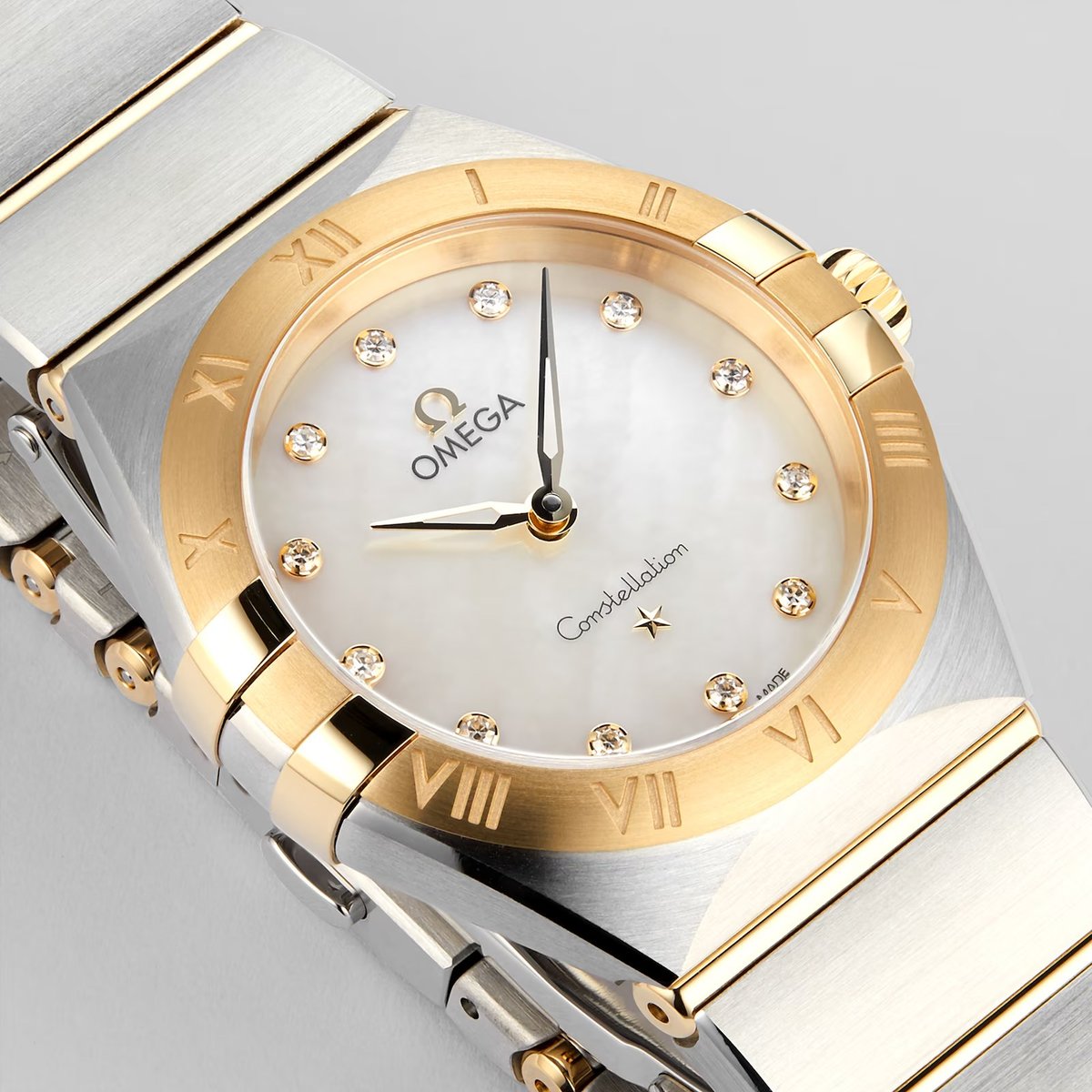
The integrated bracelet was another bold statement, echoing the design language of the Royal Oak and Nautilus that had dominated the 1970s. Omega's take was more restrained, though, with a smooth, brushed finish that exudes quiet confidence. The DD 398.0867 is a stainless steel model with a silver dial, featuring applied baton markers and a date at 3 o'clock. It's a watch that whispers rather than shouts, yet its design has aged remarkably well. In the decades since its launch, the Manhattan has become a cult favorite among vintage collectors who appreciate its distinctive character.
Design and Aesthetics
The first thing you notice about the Manhattan is the case. The griffes are not just a gimmick; they give the watch a three-dimensional quality that catches light in interesting ways. The case itself is compact, with a modest diameter that suits a formal wrist. The dial is clean and uncluttered, with a simple date window at 3 o'clock. The applied indices are faceted, adding a touch of sophistication, and the hands are dauphine-style, sharp and elegant. The silver dial is versatile, pairing well with any outfit, from a tailored suit to a casual blazer.
The integrated bracelet is a masterpiece of engineering. It flows seamlessly from the case, with a taper that ensures it wears comfortably. The links are solid and well-finished, and the folding clasp is secure. However, the integrated design means you're locked into the original bracelet—aftermarket straps are nearly impossible to fit. This is a double-edged sword: it preserves the watch's original character but limits versatility. For a dress watch, the lack of a leather strap option might be a deal-breaker for some, but the steel bracelet gives it a sporty edge that works well in casual settings.
The Movement
At the heart of the DD 398.0867 is the Cal. 1020, an automatic movement that Omega developed in the 1970s. Based on the ETA 2892, it was heavily modified by Omega to meet their chronometer standards. The movement features 20 jewels, a frequency of 28,800 vph, and a power reserve of 42 hours. It's a workhorse movement, known for its reliability and ease of service. The date complication is straightforward, with a quick-set function that makes it easy to adjust. The movement is COSC-certified, ensuring accuracy within -4 to +6 seconds per day, though in practice, you might see slightly wider variations.
While the Cal. 1020 is not a high-end movement by today's standards, it is perfectly adequate for a vintage dress watch. It winds smoothly and keeps time well, provided it has been serviced. If you're considering a purchase, make sure the watch has been recently serviced, as a neglected movement can be costly to repair. But with proper care, the 1020 will serve you faithfully for years to come.
Wearing the Manhattan
On the wrist, the Manhattan wears surprisingly well. The compact case sits low, and the integrated bracelet hugs the wrist, making it comfortable for all-day wear. The weight is balanced, and the taper of the bracelet ensures it doesn't feel top-heavy. The folding clasp is secure, though it lacks micro-adjustments, so you'll need to get the sizing right at purchase. The watch is not a statement piece; it's a subtle companion that you'll forget you're wearing. That's a compliment in the dress-watch world.
The lack of lume is a minor drawback; in low-light conditions, you'll struggle to read the time. But for a formal watch, that's acceptable. The sapphire crystal is scratch-resistant, and the case is well-protected by the griffes, which actually shield the crystal from impacts. The water resistance is limited, so you'll want to avoid any contact with water beyond a splash. This is not a watch for swimming or even hand-washing without care.
Accuracy and Performance
In real-world use, the Cal. 1020 typically runs within -5 to +10 seconds per day, which is acceptable for a vintage watch. With proper servicing, you can expect it to maintain good time, though it's not a precision instrument by modern standards. The movement's beat rate of 28,800 vph ensures a smooth sweep, and the date changes crisply at midnight. If you're a stickler for accuracy, you might find it slightly frustrating, but for most enthusiasts, the charm of a vintage movement outweighs the minor timekeeping deviations.
The power reserve of 42 hours is decent, though you'll want to wind it if you take it off for a weekend. The crown is comfortable to operate, and the winding feel is smooth. The date quick-set is a convenience that you'll appreciate on the first of the month.
Investment Potential
Let's talk numbers. The Omega Constellation Manhattan is not a hot investment piece. Unlike its Rolex counterparts, it hasn't seen a surge in value. The pre-owned market for the DD 398.0867 typically ranges from $800 to $1,200, depending on condition and provenance. That's a stable price, but not one that will make you a profit. However, it's also not a depreciating asset; you can expect to get back what you paid if you decide to sell. This is a watch to wear, not to flip. It's a statement of taste, not a financial instrument.
There's no major auction history for this exact reference, which means it hasn't caught the attention of big collectors. But that's part of its appeal—it's an under-the-radar gem. If you're looking for a unique vintage piece that won't break the bank, the Manhattan is an excellent choice.
Final Thoughts
The Omega Constellation Manhattan ref. DD 398.0867 is a charming vintage piece that offers a distinct alternative to the usual Rolex or Cartier. Its design is polarizing, but for those who appreciate its quirks, it's a rewarding watch. The integrated bracelet, the griffes, and the reliable automatic movement all come together to create a timepiece that is both historically significant and eminently wearable. While it's not a top-tier investment, it provides excellent value for the money. If you're a collector with an eye for the unconventional, the Manhattan deserves a place in your collection.