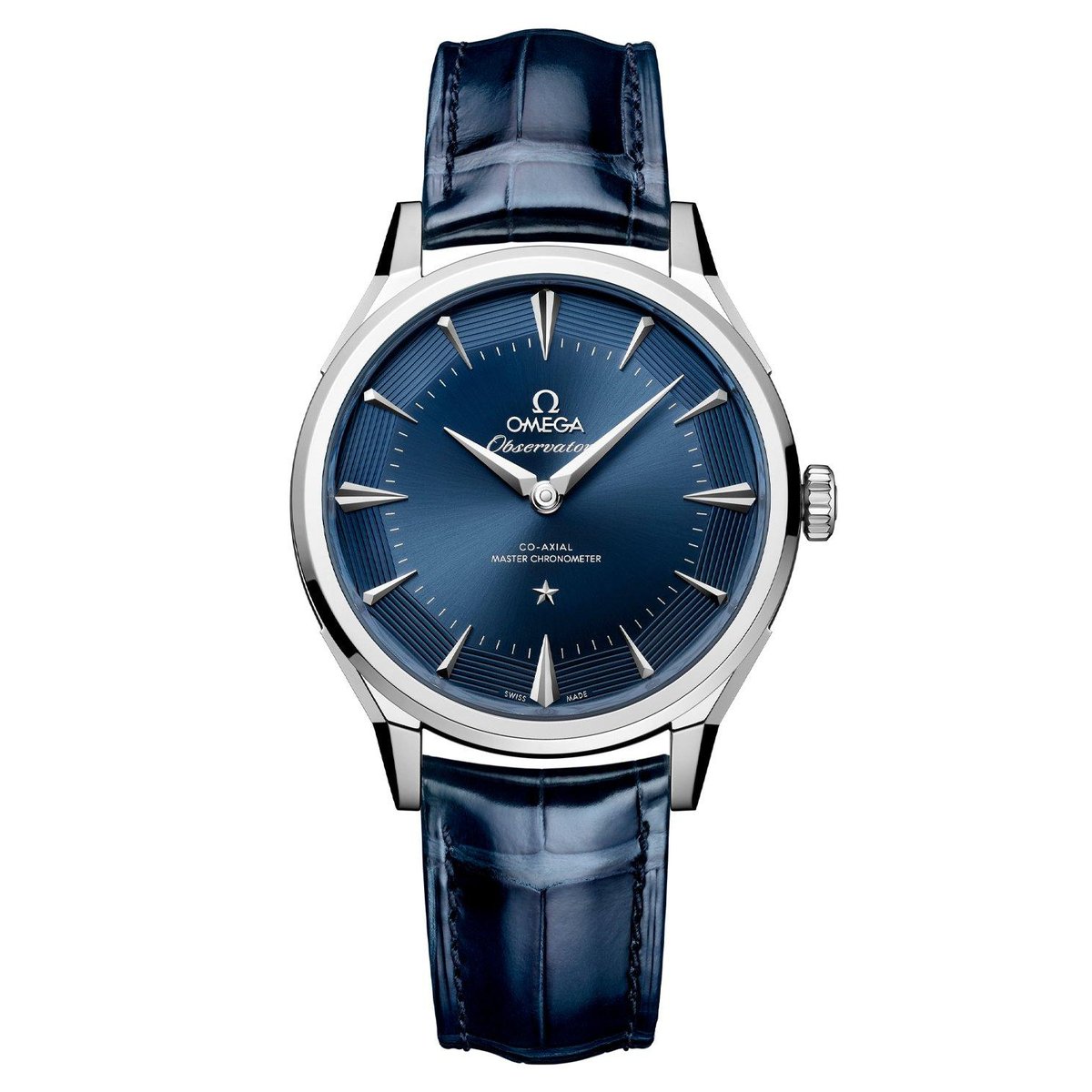
Unveiling the Enduring Legacy of Omega's Star-Emblazoned Chronometer.
In the annals of horological achievement, few timepieces command the reverence and admiration bestowed upon the Omega Constellation Observatory. More than just a watch, it is a testament to Omega's relentless pursuit of precision, a horological standard-bearer that defined an era of mechanical excellence. Its very name, 'Constellation,' evokes celestial aspiration, a fitting moniker for a watch series that consistently outperformed its peers in observatory trials.
This particular iteration, often identified by the iconic observatory medallion on its caseback, represents the pinnacle of Omega's mid-20th-century chronometry. It is a watch born from an era when mechanical precision was paramount, a period where manufacturers vied for supremacy in accuracy, with observatory certifications serving as the ultimate arbiter of quality. For the discerning collector, the Constellation Observatory is not merely a vintage acquisition; it is a tangible connection to a golden age of watchmaking, a segment of history worn on the wrist.
Manufacture History: Forging a Legacy of Precision
Founded by Louis Brandt in 1848, Omega quickly established itself as a pioneer in precision watchmaking, laying the groundwork for a legacy defined by innovation and chronometric excellence. The brand's commitment to accuracy was not merely theoretical; it was proven repeatedly in the rigorous observatory competitions of the 20th century, where Omega movements consistently broke records and garnered accolades. This pursuit of precision culminated in the launch of the Constellation line in 1952. Conceived as Omega's flagship chronometer, the Constellation was designed to showcase the brand's superior technical prowess and unwavering dedication to the highest standards of timekeeping. The iconic observatory medallion, depicting the Geneva Observatory with eight stars representing Omega's eight chronometric records, became the enduring symbol of this commitment, a visual promise of certified excellence.
Movement: The Heart of a Chronometer – Caliber 564
At the very core of many revered Omega Constellation Observatory models beats the Caliber 564, a movement that exemplifies Omega's engineering acumen from its golden era. This automatic movement is a marvel of mid-century Swiss horology, renowned for its robustness, reliability, and exceptional chronometric performance. Operating at a frequency of 19,800 vibrations per hour, the Caliber 564 features 24 jewels, ensuring smooth operation and longevity for its intricate gear train. It boasts a commendable power reserve of approximately 50 hours, a practical duration for daily wear.
What truly sets the Caliber 564 apart, beyond its COSC chronometer certification, is its sophisticated architecture and thoughtful finishing. The movement is characterized by its distinctive copper-plated finish, a visual signature of Omega's high-grade calibers from this period. Its full balance bridge ensures stability, while the swan-neck fine adjustment mechanism allows for incredibly precise regulation, a critical factor in achieving chronometer standards. A particularly ingenious complication is its quick-set date mechanism, operated by repeatedly pulling the crown outwards, allowing for rapid date changes without having to cycle through 24 hours. This blend of technical sophistication, chronometric integrity, and user-friendly functionality underscores why the Caliber 564 remains one of the most respected and sought-after vintage Omega movements, a true testament to in-house manufacturing excellence.
Specifications: Timeless Form and Function
The Omega Constellation Observatory, while varying subtly across its numerous references, generally adheres to a classic and elegant design language. The cases, often crafted from stainless steel, gold-capped stainless steel, or solid gold, exhibit refined curves and thoughtful proportions. While specific dimensions can vary for individual references, these watches typically present as understated and gracefully sized, a hallmark of mid-20th-century design. The crystal protecting the dial is invariably acrylic, a material characteristic of vintage watches, offering a warm, distortion-free view of the dial while being easily polishable to remove minor scratches.
The dials themselves are often the celebrated 'pie-pan' style, named for their faceted, downward-sloping edges that create a captivating play of light and shadow, adding depth and character. Applied hour markers, often baton-shaped or faceted, complement the dauphine or baton hands, many of which originally featured luminous material, typically Tritium, which now exhibits a charming patina. The Constellation Observatory was predominantly offered on a finely crafted leather strap, secured by a simple yet elegant pin buckle, emphasizing its dressier inclinations, though period-correct bracelets were also available.
Wrist Feel: An Extension of Elegance
The Omega Constellation Observatory, with its typically modest case dimensions, offers a profoundly comfortable and unobtrusive presence on the wrist. Its balanced proportions ensure it sits elegantly, neither feeling cumbersome nor insignificant. The gentle curve of the lugs, a characteristic of its era, allows it to conform seamlessly to the wrist's anatomy, making it an ideal companion for extended wear. Its weight, often in stainless steel or gold-capped variants, provides a reassuring solidity without ever becoming burdensome, a testament to thoughtful design and meticulous construction. This is a watch that integrates with the wearer, becoming an extension rather than a statement, a subtle yet potent expression of horological appreciation.
Accuracy: A Chronometer's Promise Fulfilled
As a certified chronometer from an era when such designations were hard-won, the Omega Constellation Observatory, particularly those housing the Caliber 564, consistently delivered exceptional real-world accuracy. When properly serviced and regulated, these movements are capable of maintaining timekeeping within COSC specifications, typically performing within -4/+6 seconds per day. Owners can expect reliable, precise performance, a testament to Omega's commitment to chronometry that made these watches benchmarks in their time. Day-to-day, a well-maintained Constellation Observatory will serve as a faithful and accurate timekeeping instrument, embodying the very essence of its observatory-tested heritage.
Occasions and Presence: Versatility with Understated Sophistication
The Omega Constellation Observatory is a remarkably versatile timepiece, effortlessly transitioning across various social contexts. Its inherent elegance makes it an impeccable choice for formal events, where its refined design and historical gravitas speak volumes without ostentation. Yet, its robust chronometer movement and practical wearability also lend themselves perfectly to daily wear, adding a touch of classic sophistication to any casual or business ensemble. It is an exemplary dress watch, embodying the timeless aesthetic of mid-century design. While not a sport watch in the modern sense, its sturdy construction allows it to be a reliable companion for everyday activities, making it a true daily driver for the discerning individual.
On the wrist, the Constellation Observatory projects a refined and understated presence, earning a 3 out of 5 rating. It doesn't shout for attention but rather draws the eye with its quiet confidence and sophisticated elegance. Its vintage charm and iconic design, particularly the pie-pan dial and observatory medallion, are instantly recognizable to those who appreciate fine horology, signaling a wearer with an educated and discerning taste.
Reference Variants: A Constellation of Choices
The Omega Constellation Observatory line encompasses a rich tapestry of references, each offering subtle variations that cater to diverse tastes. The 168.005 is a quintessential example, often found in stainless steel, featuring the iconic 'pie-pan' dial, and typically powered by the robust Caliber 564. For those who prefer a touch of warmth, the 168.010 often comes in gold-capped or solid gold cases, frequently paired with a matching gold 'pie-pan' dial, also housing the Caliber 564. Earlier references like the 14393, typically equipped with a Caliber 561, showcase a slightly more angular case design while retaining the classic pie-pan dial, offering a glimpse into the Constellation's evolutionary journey.
The Constellation Lineage: Past and Present
The Omega Constellation Observatory stands as a foundational pillar within Omega's broader Constellation family. Its design philosophy and chronometric aspirations laid the groundwork for subsequent generations, including the sleek Omega Constellation 'C-Shape' of the late 1960s and 1970s, which introduced a more integrated and modernist aesthetic, and the highly distinctive Omega Constellation 'Manhattan' with its iconic 'claws' that defined the line through the quartz crisis and into the modern era. These later models, while evolving in design, nonetheless carry the torch of precision and elegance first ignited by the Observatory series.
Beyond the Constellation, Omega's enduring legacy is built upon other iconic collections. The Omega Speedmaster Professional, forever linked to lunar exploration, represents the brand's adventurous spirit. The Omega Seamaster Diver 300M showcases its prowess in robust tool watches for aquatic environments. And the elegant Omega De Ville Trésor continues the tradition of refined dress watches with modern horological advancements. Each line, while distinct, is united by Omega's overarching commitment to quality and innovation.
Similar Watches: Peers in Precision and Elegance
For collectors exploring timepieces of similar caliber and historical significance, several models from other esteemed manufactures present compelling parallels. The Rolex Datejust (Vintage) from the same era offers a comparable blend of iconic design, robust automatic chronometer movements, and everyday wearability, making it a direct competitor in the luxury daily-wear segment. Grand Seiko's 44GS (Vintage) exemplifies a similar pursuit of high-accuracy chronometry and distinctive, sharp-edged case finishing, showcasing a Japanese interpretation of precision from the mid-20th century. For those prioritizing sheer elegance and exquisite movement finishing, a vintage Patek Philippe Calatrava shares a timeless dress watch aesthetic and an unparalleled heritage of haute horlogerie, albeit at a significantly different price point.
Homages: Echoes of a Classic
While direct homages to the specific Omega Constellation Observatory are less common due to its distinct vintage aesthetic, watches that capture a similar spirit of elegant, versatile chronometry at a more accessible price point do exist. The now-discontinued Seiko SARB033/035, often lauded as a 'baby Grand Seiko,' offered a similar blend of elegant dress/sport design and a high-quality in-house automatic movement, making it a compelling alternative for those seeking a refined everyday watch without the vintage premium. Though not a direct copy, its spirit of understated excellence resonates with the Constellation Observatory's appeal.
Investment Value: A Stable Star in the Collector's Sky
The Omega Constellation Observatory holds a stable and respected position in the vintage watch market. While its original MSRP is not directly comparable to today's values, pre-owned examples typically range from $1,500-$5,000+, depending heavily on condition, reference rarity, and dial configuration. The trend for these historically significant chronometers is generally stable, with well-preserved examples showing modest appreciation over time. For collectors, the Constellation Observatory represents a solid hold; its historical significance, chronometric pedigree, and enduring design ensure continued collector interest, though dramatic, rapid appreciation is unlikely. Notable examples, especially those with rare dials, pristine pie-pan configurations, or in exceptional, unpolished condition, have fetched higher prices at specialized auctions, reflecting their particular collector appeal and scarcity.
Service Interval: Preserving a Legacy
For vintage timepieces like the Omega Constellation Observatory, consistent care is paramount to their longevity. While no contemporary factory service interval applies, it is generally recommended that these watches undergo a full service every 5-7 years. This ensures the lubrication remains fresh, worn components are replaced, and the movement continues to perform optimally. Given the age and specific requirements of these calibers, it is highly advisable to seek a competent independent watchmaker specializing in vintage Omega movements. Their expertise ensures correct parts sourcing (often New Old Stock or carefully restored components) and a sympathetic approach to maintaining the watch's originality, rather than resorting to universal replacements. While precise costs vary significantly based on the watchmaker and extent of work, investing in proper servicing is crucial for preserving the watch's value and functionality for generations to come.
Price Range and Verdict: Value in History
With a pre-owned price range typically spanning $1,500-$5,000+, the Omega Constellation Observatory offers a compelling proposition. This price range secures a piece of horological history, offering exceptional chronometric performance and timeless design, representing solid value for the discerning collector. It is an investment not just in a timepiece, but in a segment of watchmaking heritage that continues to resonate with sophistication and technical excellence.
Pros and Cons: A Balanced Perspective
Pros:
- Exceptional chronometric performance, a hallmark of its observatory-tested heritage.
- Iconic and historically significant design, instantly recognizable to enthusiasts.
- Robust and serviceable in-house movement, built for longevity.
- Timeless elegance and versatility, suitable for a wide range of occasions.
Cons:
- Vintage water resistance limitations, requiring caution around moisture.
- Acrylic crystal susceptible to scratches, though easily polished.
- Finding unmolested examples in pristine condition can be challenging.
Final Verdict: A Star That Continues to Shine
The Omega Constellation Observatory is more than a mere timepiece; it is a horological benchmark, a tangible piece of Omega's storied past. Its blend of chronometric precision, enduring design, and robust in-house movement makes it a compelling choice for both seasoned collectors and those seeking to acquire a truly significant vintage watch. This is a watch that rewards careful stewardship with decades of reliable performance and understated elegance, a true star in Omega's constellation.