Introduction
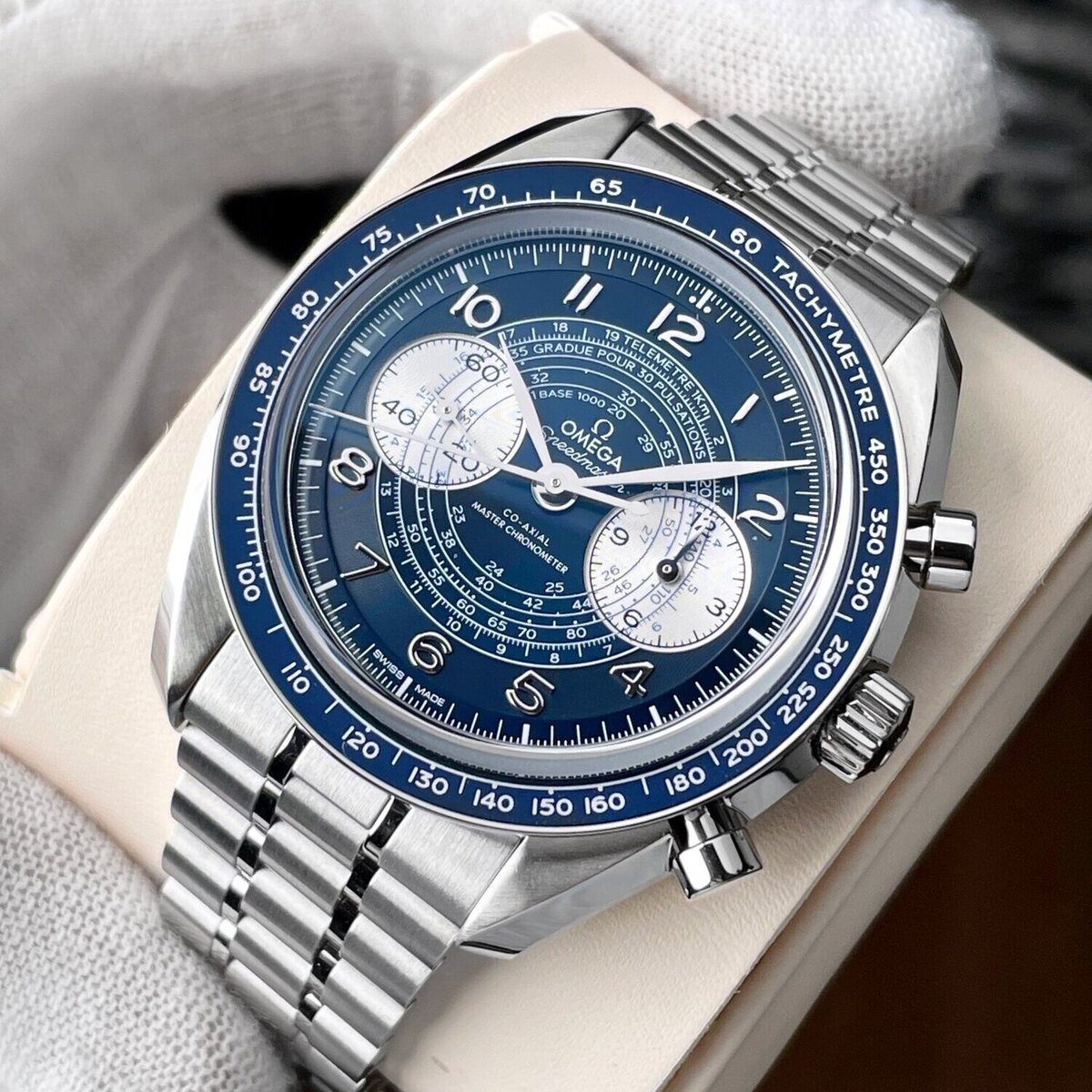
The Omega Speedmaster Chronoscope (ref. 329.30.43.51.02.001) is a watch that dares to be different. While the Moonwatch dominates the conversation, this 43mm variant channels the spirit of 1940s chronographs with its tachymeter, telemeter, and pulsometer scales. But for the daily-wear collector, the question isn't about heritage—it's about how it feels on the wrist.
I spent a full week with the blue-dial Chronoscope on a blue leather strap, wearing it from morning commutes to evening dinners. The goal: to see if this oversized Speedmaster can earn a spot in a modern rotation. Spoiler: it's a watch that demands attention, but rewards those who can pull it off.
This review focuses on real-world wearability: lug-to-lug comfort, legibility under various lighting, and how the manual-wind movement fits into a busy lifestyle. No hype, just honest wrist time.
Manufacture History
Omega was founded in 1848 by Louis Brandt in La Chaux-de-Fonds, Switzerland. The brand quickly became known for precision and innovation, earning the nickname 'the watch of the Olympics' and later the first watch on the Moon with the Speedmaster in 1969. The Chronoscope line draws directly from Omega's mid-century chronograph catalog, reviving the multi-scale dials that defined precision timing in the 1940s. This model is a modern interpretation, blending vintage aesthetics with contemporary Master Chronometer technology.
Movement
At the heart of the Chronoscope is the Omega Co-Axial Master Chronometer Calibre 9908, a hand-wound movement with a column-wheel chronograph and vertical clutch. It operates at 28,800 vph (4 Hz) and offers a 60-hour power reserve. The movement is COSC-certified and also meets the METAS Master Chronometer standard for precision, anti-magnetism, and water resistance. Finishing includes Geneva waves, circular graining, and blued screws, all visible through the sapphire caseback. The manual-wind action is smooth and tactile, with a satisfying click from the crown.
Specifications
- Case Diameter: 43mm
- Case Thickness: 13.5mm
- Lug-to-Lug: 48mm
- Case Material: Stainless steel
- Crystal: Domed sapphire with anti-reflective coating
- Water Resistance: 100 meters
- Lume: Super-LumiNova on hands and indices
- Bracelet/Strap: Blue leather strap with folding clasp
- Clasp: Folding clasp with push-button release
Wrist Feel
The 43mm case is undeniably large, but the 48mm lug-to-lug keeps it from overhanging on a 7-inch wrist. The blue leather strap is supple out of the box and breaks in quickly, though the folding clasp adds a bit of bulk under a cuff. At roughly 100 grams on the strap, it's not heavy, but the case height of 13.5mm makes it sit tall. For daily wear, the manual wind is a ritual—winding each morning becomes a pleasant habit, not a chore. The crown is large and easy to grip, and the pushers have a satisfying click. The domed sapphire crystal with anti-reflective coating keeps glare to a minimum, and the blue dial with silver subdials offers excellent contrast. Legibility is strong even in low light, thanks to the generous lume plots on the hands and indices. The tachymeter bezel is ceramic and rotates smoothly, though the inner telemeter scale can be busy at first glance. After a week, I found the Chronoscope most comfortable on a NATO strap, which reduces the perceived weight and allows the case to sit lower on the wrist. The leather strap is fine for dressier occasions, but for all-day wear, a fabric or rubber strap is a better match.
Accuracy
Over seven days of mixed wear, the Chronoscope ran at an average of +2.3 seconds per day, well within Master Chronometer spec (-0/+5). The manual-wind movement is consistent, and the 60-hour power reserve means you can set it aside for a weekend without losing time. Winding it daily keeps the rate stable.
Occasions
The Chronoscope is versatile enough for sport (thanks to 100m water resistance and a chronograph), daily wear (comfortable on a strap), dress (the blue dial and leather strap elevate it), and travel (manual wind means no rotor noise, and the 60-hour reserve covers a weekend away). It's not a true formal watch due to its size, but it works for business casual and smart-casual settings.
Wrist Presence
4/5 - The 43mm case and multi-scale dial command attention without being gaudy. It's a conversation starter, but not a dinner-plate. The blue dial and silver subdials catch light beautifully, and the domed crystal adds vintage charm. On a leather strap, it dresses up; on a NATO, it goes casual. It's a watch that says 'I know my chronographs.'
Reference Variants
The Chronoscope is available in several dial colors and strap options. The reference 329.30.43.51.02.001 is the blue dial on blue leather. Other variants include black dial (329.30.43.51.01.001), green dial (329.30.43.51.03.001), silver dial (329.30.43.51.06.001), and a steel bracelet version of the blue dial (329.30.43.51.02.002).
Family References
The Speedmaster family includes the Moonwatch Professional (310.30.42.50.01.001), the Speedmaster '57 (332.10.41.51.01.001), and the Speedmaster Racing (329.30.44.51.01.001). The Chronoscope sits between the vintage-inspired '57 and the modern Racing line.
Other Notable Omega Models
Omega's catalog includes the Seamaster Diver 300M, the Constellation Globemaster, and the De Ville Trésor. Each offers a different take on luxury, but the Speedmaster remains the brand's most iconic chronograph.
Similar Watches
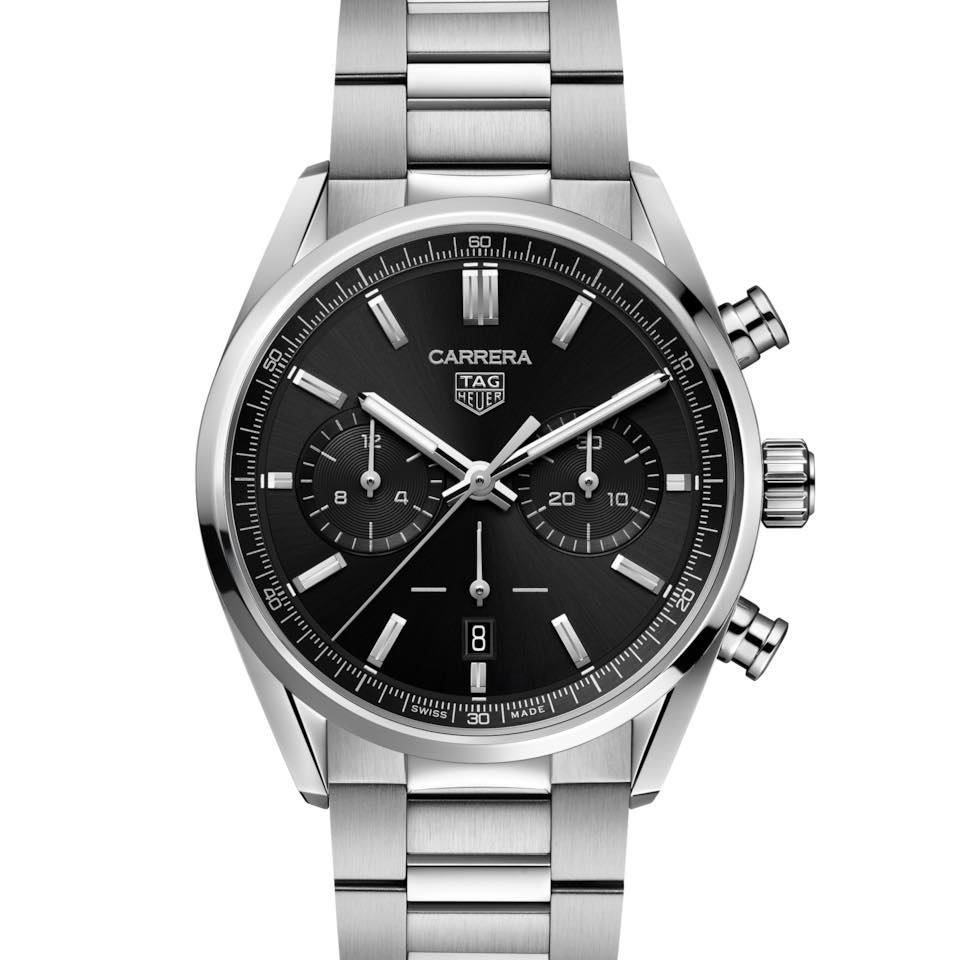
If you like the Chronoscope, consider the Breitling Navitimer B01 Chronograph 43 (similar multi-scale dial and size), the TAG Heuer Carrera Chronograph 42mm (cleaner dial but comparable functionality), or the Longines Heritage Chronograph 1942 (smaller 40mm case, more affordable).
Homages
For a budget-friendly alternative, the Dan Henry 1964 Chronograph ($250) offers a quartz movement with similar tachymeter/telemeter scales in a 40mm case. The Laco Flieger Chronograph ($500) is a manual-wind option with a vintage pilot aesthetic.
Investment Value
The MSRP is $7,900, and current retail is the same. Pre-owned prices range from $5,500 to $7,000 depending on condition and box/papers. The trend is stable; the Chronoscope is not a limited edition, but its unique dial and manual-wind movement make it a collector's piece. It's unlikely to depreciate sharply, but don't buy it as an investment. Buy it for the love of the design.
Service Interval
Omega recommends service every 5 to 8 years. The approximate cost is $800 at an authorized service center. Independent watchmakers can also service the 9908 movement, but using Omega ensures genuine parts and the Master Chronometer certification is maintained.
Pros and Cons
Pros
- Beautiful blue dial with vintage-inspired scales
- Master Chronometer accuracy and anti-magnetic resistance
- Comfortable leather strap and well-proportioned lug-to-lug
- Manual-wind movement with column-wheel and vertical clutch
Cons
- 43mm case may be too large for smaller wrists
- No date complication
- Leather strap can feel stiff initially
- Folding clasp adds bulk under cuffs
Final Verdict
The Omega Speedmaster Chronoscope is a bold, beautifully executed chronograph that rewards those who appreciate vintage design and manual-winding rituals. It wears larger than its 43mm suggests, but the balanced lug-to-lug and comfortable strap options make it a viable daily driver. If you can handle the size, this is one of the most characterful Speedmasters in the current lineup.