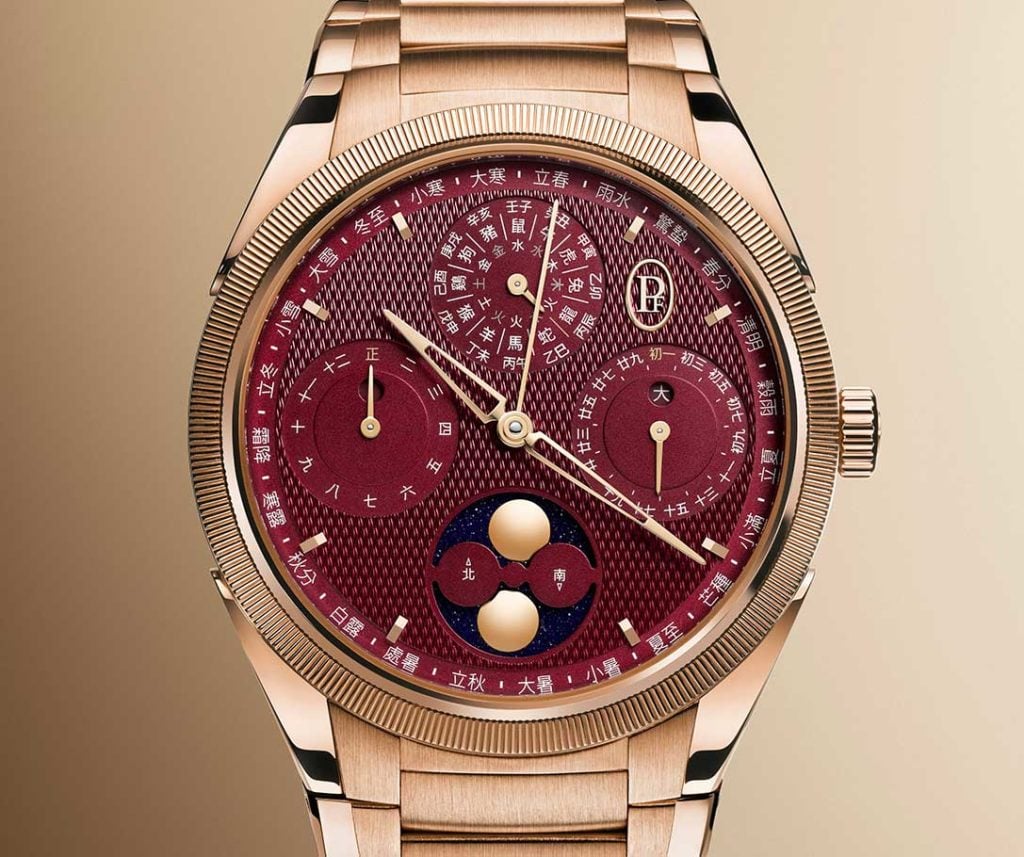
Parmigiani Fleurier Tonda PF Split-Seconds Chronograph Review
By Rina Park, Watch Trend Spotter at Vivir.com
Introduction
There are watches that shout, and watches that whisper. The Parmigiani Fleurier Tonda PF Split-Seconds Chronograph (ref. pfh916-2010002-200182-EN) belongs firmly in the second camp—until you flip it over or press the pusher at 4 o'clock. Then it speaks in a language only the initiated understand: two column wheels, a rattrapante mechanism, and a level of hand-finishing that would make a Patek collector do a double take.
Parmigiani Fleurier has spent the last few years quietly repositioning itself from 'watchmaker's watchmaker' to a genuine player in the integrated sports watch arena. The Tonda PF line, launched in 2021, was the turning point. Now, with the split-seconds chronograph, the brand is flexing its haute horlogerie muscles without abandoning the sleek, almost minimalist aesthetic that made the Tonda PF a hit among collectors tired of waiting lists for Nautilus and Royal Oak.
This reference—steel case, blue guilloché dial, integrated bracelet—is the entry point to a complication that usually lives in platinum and costs six figures. It's a statement piece for the trust-fund baby who reads Hodinkee, not just Instagram captions. And it's a reminder that Parmigiani Fleurier, founded by a man who restored Breguet pocket watches for the Patek Philippe Museum, has the pedigree to back up the price tag.
Manufacture History
Founded in 1996 by Michel Parmigiani, a master watchmaker and restorer, with backing from the Sandoz Family Foundation, Parmigiani Fleurier built its reputation on restoring historical automata and pocket watches before launching its own manufacture in Fleurier, Switzerland. The brand's early years were defined by commissions for high-end complications and the Bugatti partnership, but the Tonda PF collection represents the modern, integrated-bracelet expression of that heritage. Every movement is in-house, and the design language nods to 1970s sports watches without copying them—a rare feat in a market full of homages.
Movement
At the heart of the Tonda PF Split-Seconds Chronograph is the Calibre PF361, a fully integrated manual-winding split-seconds chronograph with two column wheels and a vertical clutch. The architecture is modern but the finishing is old-school: hand-applied Côtes de Genève, black-polished steel parts, and anglage that rivals any Geneva Seal movement. The high beat rate of 5 Hz (36,000 vph) ensures smooth chronograph seconds and precise split timing. Power reserve is 65 hours, and the movement contains 35 jewels. It is not COSC-certified, but Parmigiani adjusts each movement in five positions for accuracy.
Specifications
- Case diameter: 42mm
- Case thickness: 12.5mm
- Lug-to-lug: 48mm
- Case material: Stainless steel
- Crystal: Sapphire
- Water resistance: 100m
- Lume: Super-LumiNova X1
- Bracelet/strap: Integrated steel bracelet
- Clasp type: Folding deployant
Wrist Feel
On the wrist, the Tonda PF Split-Seconds wears smaller than its 42mm diameter suggests, thanks to the short, sharply downturned lugs and the integrated bracelet that flows seamlessly from the case. The steel version is substantial but not heavy—around 150 grams with all links—and the 12.5mm thickness slides under a shirt cuff without drama. The bracelet's H-link design is comfortable, with no sharp edges, and the deployant clasp sits flat. Balance is excellent: the manual movement keeps the center of gravity low, so the watch never feels top-heavy. It's a daily wearer for someone who doesn't mind winding it every morning.
Accuracy
Expect real-world accuracy within -2 to +4 seconds per day, typical for a well-regulated high-beat movement. The PF361 is not COSC-certified, but Parmigiani adjusts each movement in five positions. Over a week of wear, you'll likely see a cumulative drift of under 15 seconds. The split-seconds mechanism does not affect timekeeping when idle, and the chronograph's vertical clutch means no amplitude drop when running.
Occasions
This watch is versatile enough for daily wear, sport, dress, and travel. The 100m water resistance and robust steel case make it suitable for active use, while the refined dial and bracelet allow it to pair with a suit. It's the rare high complication that doesn't need to be babied.
Wrist Presence
4/5. It's not a loud watch—no gold, no diamonds, no oversized crown—but the blue guilloché dial catches light beautifully, and the split-seconds pusher at 4 o'clock is a subtle tell. To the uninitiated, it's a nice steel sports watch. To a collector, it's a flex. The 42mm size gives it enough presence without being obnoxious.
Reference Variants
- PFC916-2010001-100182: Platinum case and bracelet, sand grey guilloché dial, significantly heavier and more expensive. Limited production.
- PFC916-2010002-200182: Steel case, blue guilloché dial, steel bracelet. The reference reviewed here, most accessible version.
Family References
- Tonda PF Micro-Rotor (steel, 40mm)
- Tonda PF Chronograph (steel, 42mm, automatic)
- Tonda PF GMT Rattrapante (steel, 40mm)
- Tonda PF Annual Calendar (steel, 42mm)
Other Models by Parmigiani Fleurier
- Toric Chronograph
- Tonda GT Chronograph
- Kalpa Piccola
- Bugatti Type 390
Similar Watches
- Patek Philippe Ref. 5370P Split-Seconds Chronograph: The platinum benchmark for split-seconds, but at 5x the price and with a more classical case.
- A. Lange & Söhne Double Split: German rival with a flyback split-seconds and a more traditional dial layout.
- Vacheron Constantin Traditionnelle Split-Seconds Chronograph: Geneva elegance with a similar complication, but dressier and less sporty.
- Breguet Classique Chronograph 5287: Another high-end split-seconds, but with Breguet's signature coin-edge case and guilloché.
Homages
- Furlan Marri Chronograph: Not a split-seconds, but captures the vintage integrated-bracelet chronograph aesthetic at a fraction of the cost. Around $500.
- Baltic Bicompax Chronograph: Another affordable chronograph with a similar sporty-dressy vibe, though no rattrapante. Around $600.
Investment Value
MSRP is $48,000, and current retail is the same. Pre-owned examples are trading in the $35,000-$45,000 range, indicating mild depreciation but stability. The trend is stable, with potential for appreciation as Parmigiani's profile grows. Buy at retail if you can get an allocation; the split-seconds is produced in small numbers. No major auction history for this specific reference yet, but early Tonda PF models have appeared at Phillips and Christie's with results near retail.
Service Interval
Recommended service every 5 years, with an approximate cost of $1,200. Service through Parmigiani Fleurier or a certified independent watchmaker familiar with high-complication movements. Turnaround time is typically 8-12 weeks.
Price Range and Verdict
The price range is $45,000-$50,000. For a trust-fund-baby buyer, this is a value play in the split-seconds world. You get 90% of the Patek experience for 20% of the price, with a more modern design and no waiting list drama.
Pros and Cons
Pros:
- In-house split-seconds chronograph with two column wheels and vertical clutch
- Integrated steel bracelet with excellent finishing and comfort
- Under-the-radar luxury that avoids hype and waiting lists
- High-beat 5 Hz movement with 65-hour power reserve
- Versatile design works for daily, sport, and dress
Cons:
- Manual winding may deter some buyers used to automatics
- Brand recognition still low outside collector circles
- Steel case at this price point may feel steep for non-enthusiasts
- Limited service network compared to Patek or Rolex
Final Verdict
The Parmigiani Fleurier Tonda PF Split-Seconds Chronograph is a masterclass in quiet luxury. It delivers a true haute horlogerie complication in a wearable, modern package that doesn't scream for attention. For the collector who values substance over status, this is one of the smartest buys in the six-figure-adjacent space.