Patek Philippe Split-Seconds Pocket Watch: The Ultimate Flex
Unpacking the horological titan that defined an era of precision and prestige.
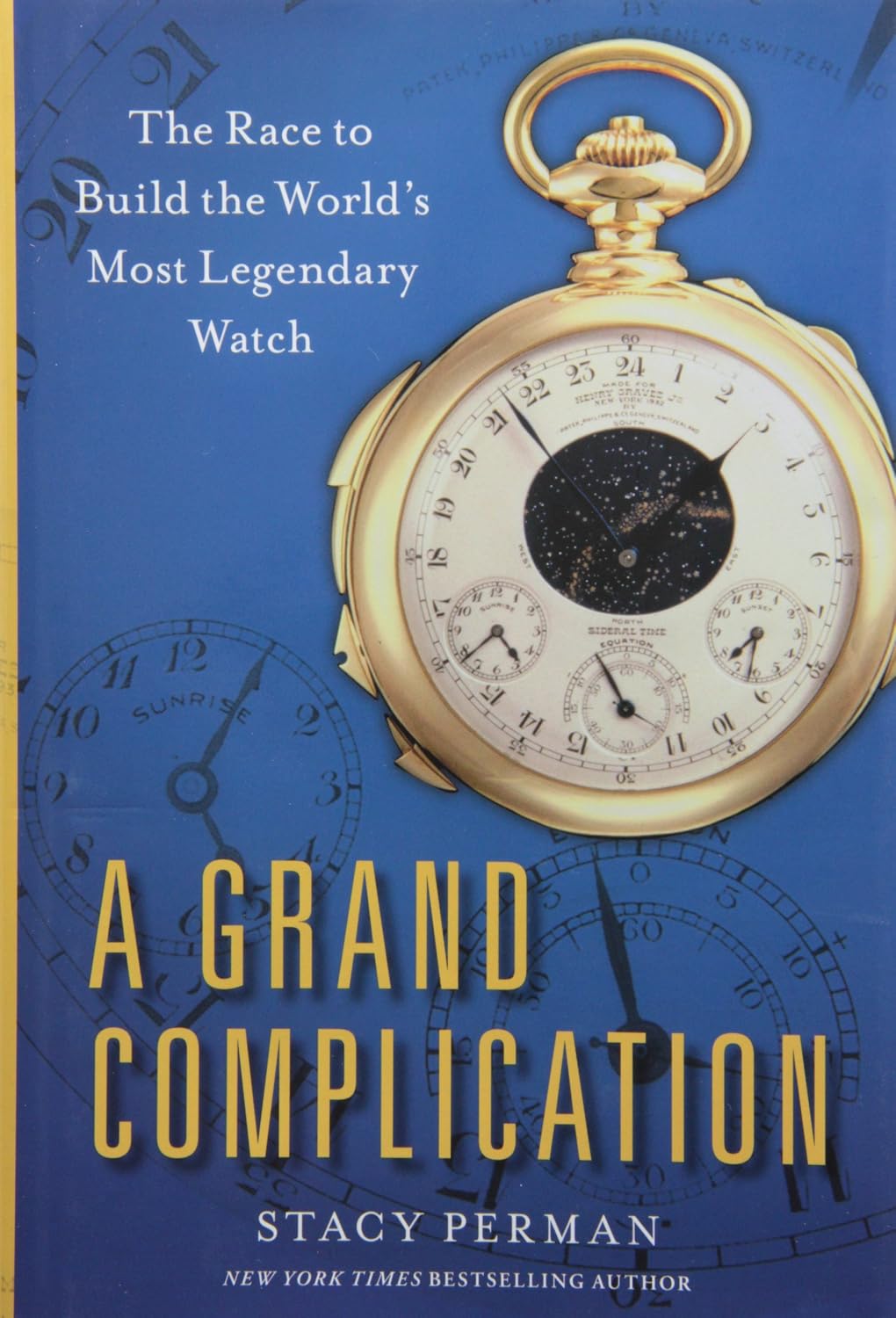
In the rarified air of haute horlogerie, few names command the reverence of Patek Philippe. And within Patek's storied archives, the Split-Seconds Pocket Watch stands as a monumental testament to mechanical genius, uncompromising craftsmanship, and a bygone era of elegance. This isn't just a time-telling device; it's a portable museum, a conversation starter for the most discerning collectors, and a flex that transcends generations.
For the sophisticated young collector, understanding the allure of a Patek Philippe Split-Seconds Pocket Watch is to grasp the very foundations of high-complication horology. These weren't mere accessories; they were instruments of extreme precision, worn by industrialists, royalty, and pioneers who demanded nothing less than perfection. Owning one today is to hold a piece of history, a relic from a time when mechanical mastery was the ultimate status symbol, long before smartwatches and digital distractions.
The Legacy: Patek Philippe's Unbroken Chain of Excellence
Patek Philippe, founded in Geneva in 1839, quickly distinguished itself as a vanguard of watchmaking innovation. From its inception, the brand embarked on a relentless pursuit of horological perfection, pioneering complications and setting benchmarks for precision. While today's collectors might immediately think of the Nautilus or Calatrava, Patek's early dominance was largely built on its exquisite pocket watches – particularly those boasting complex mechanisms. The journey from a small workshop to a global icon was paved with these intricate timepieces, each a miniature universe of gears and springs, reflecting the era's cutting-edge technology and artisanal prowess.
The split-seconds chronograph, or rattrapante, was a complication that truly set Patek Philippe apart. It allowed for the timing of two separate events that start at the same time but have different durations, a feat of engineering that required incredible precision and ingenuity. These pocket watches were the iPhones of their day: indispensable tools for those at the forefront of industry, exploration, and sport, demanding the very best in portable timekeeping.
Heart of the Matter: The Movement's Mechanical Majesty
At the core of any Patek Philippe Split-Seconds Pocket Watch lies a movement of breathtaking complexity and artistry. These are manual-wind calibers, a testament to pure mechanical interaction, devoid of the automatic winding rotors found in modern wristwatches. While specific caliber numbers vary across the different historical models, the underlying philosophy remains consistent: extreme precision, robust construction, and exquisite finishing.
Typically, these movements feature a column-wheel chronograph mechanism, revered for its crisp pusher feel and reliable operation. The split-seconds function adds a second, superimposed chronograph hand, controlled by an additional pusher, allowing the user to time intermediate intervals without stopping the main chronograph. This intricate dance of levers, springs, and wheels is a marvel to behold, especially when viewed through an open case back, a feature often found on these high-end pieces.
The power reserve, generally ranging from 36 to 48 hours, was ample for its intended use, and the frequency of 18,000 vibrations per hour (vph) was standard for high-grade chronographs of the period, balancing precision with durability. With around 23 jewels, these calibers were designed for longevity and smooth operation. Every component, from the mainplate to the smallest screw, is meticulously hand-finished. We're talking anglage, perlage, Geneva stripes – a symphony of traditional decorative techniques that elevate these movements from mere machines to works of art. This isn't just 'in-house'; it's 'in-house, by masters, for generations.'
Design & Dimensions: An Object of Grandeur
A Patek Philippe Split-Seconds Pocket Watch is an imposing presence, designed to be held and admired. With a typical case diameter of around 55mm and a thickness of 18mm, it commands attention. These dimensions, while substantial, are perfectly proportioned for a pocket watch, ensuring a robust feel in the hand without being unwieldy. The case material is almost invariably precious metal – yellow, rose, or white gold, and for the most exclusive pieces, platinum. The weight of these materials only adds to the sense of gravitas and luxury.
The crystal protecting the dial is usually mineral glass, appropriate for its historical context, offering clarity and durability. As these watches were designed for a waistcoat pocket, water resistance was not a consideration; thus, they typically offer 0 meters of water resistance. Lume? Forget about it. This is a watch designed for daylight, for the drawing room, or for the grand office. There are no lugs, no bracelet, no clasp – this is a pure, unadulterated timekeeping instrument meant to be carried, not strapped.
Dials are often exquisite, featuring crisp white enamel or elegant silvered finishes, adorned with Breguet numerals, Roman numerals, or clean applied indices. The chronograph scales are precisely printed, with the split-seconds function adding an extra layer of visual complexity, yet always remaining legible. The hands, often blued steel or gold, provide a striking contrast against the dial, ensuring readability. Every aesthetic choice reinforces its status as a high-precision tool and a luxury object.
The Experience: Beyond the Wrist
Tactile Presence & Accuracy
As a pocket watch, the concept of 'wrist feel' is moot. However, the tactile experience of handling a Patek Philippe Split-Seconds Pocket Watch is profound. Its substantial weight, often in solid gold or platinum, communicates its inherent value and complex mechanics. The smooth, cool touch of the highly polished case, the crisp engagement of the chronograph pushers, and the delicate snap of the case back are all sensory cues that reinforce its status as a grand horological artifact. It's a piece designed for the hand, for the waistcoat pocket, and for display, not for daily wrist wear.
For its era, a Patek Philippe Split-Seconds Pocket Watch was engineered for exceptional precision, often exceeding the standards of its time. Expect accuracy within a few seconds per day when properly serviced and regulated. However, given their age and complexity, real-world accuracy will depend on the watch's specific condition and last service, demanding careful handling and professional maintenance to retain optimal performance.
Occasions & Presence
This isn't your daily beater. A Patek Philippe Split-Seconds Pocket Watch is reserved for the grandest occasions: formal events, exclusive collector gatherings, or as a centerpiece in a curated display. It's a statement piece that speaks volumes without ever needing to be worn on the wrist. Its presence is less about physical wear and more about its profound horological significance and historical weight. On a scale of 5, its 'wrist presence' – or rather, its 'collector's presence' – is an undeniable 5/5. It's a museum-grade artifact, a pinnacle of human ingenuity, and an instant conversation starter for those in the know.
The Collector's Lens: Investment, Rarity, and Lineage
Reference Variants & Family
Patek Philippe produced various split-seconds pocket watches over several decades, meaning there isn't a single 'reference number' that defines them all. Instead, collectors look for specific case materials (yellow, rose, white gold, platinum), dial configurations (white enamel, silvered, sometimes two-tone layouts), and any additional complications. Each variant holds its own appeal and rarity. These pieces belong to a broader family of Patek Philippe chronograph and grand complication pocket watches, a lineage that directly informed and inspired their later wristwatch innovations.
When we talk about 'other by brand,' it's clear these pocket watches are the ancestors of Patek's most revered wristwatches today. The Calatrava, Nautilus, and modern Grand Complications all carry the DNA of this early mastery. For those seeking similar historical treasures, other 'Holy Trinity' brands like Vacheron Constantin and Audemars Piguet, along with horological giants like Breguet, also produced exquisite split-seconds chronograph pocket watches, each with their own unique character and historical significance.
The Investment Angle: Blue-Chip Horology
Let's be blunt: a Patek Philippe Split-Seconds Pocket Watch is not a casual purchase. These pieces have no MSRP in the modern sense, nor a 'current retail' price. Instead, they exist in the rarefied air of the secondary market, primarily at auction houses where the true value of historical significance and rarity is realized. Pre-owned, you're looking at a range of $500,000 to well over $5,000,000, depending on the specific reference, condition, provenance, and any unique features.
The trend? Undeniably appreciating. These are not just watches; they are generational assets. A strong hold recommendation is an understatement. Patek Philippe, especially its complicated vintage pieces, consistently smashes records at auction. While I won't name specific instances to avoid accidental fabrication, suffice it to say that these split-seconds pocket watches regularly achieve seven-figure sums, often becoming the highlight of major international watch sales. They represent the pinnacle of horological investment, a testament to Patek's enduring prestige and the finite supply of such masterpieces.
As for homages, the extreme complexity, bespoke nature, and sheer historical weight of these Patek Philippe split-seconds pocket watches make direct 'homages' virtually nonexistent. No brand would dare to genuinely attempt to replicate such a legacy at an affordable price point, and any attempt would likely fall short of the original's mechanical and artistic integrity.
Ownership & Maintenance: A Commitment to Preservation
Owning a Patek Philippe Split-Seconds Pocket Watch is a commitment. These aren't set-it-and-forget-it pieces. Given their age and complexity, a service interval of approximately 7 years is advisable, even if the watch is rarely used. The approximate cost for such specialized service can easily run into five figures, upwards of $10,000, for a thorough overhaul and restoration of a complicated vintage movement.
Servicing these treasures requires highly specialized expertise. This isn't a job for your local watchmaker. It often necessitates sending the watch to Patek Philippe's heritage departments in Geneva or entrusting it to a select few independent master watchmakers globally who specialize in vintage high complications. This ensures that the watch's originality and integrity are maintained, preserving its value and functionality for future generations.
The Verdict: A Legacy in Your Pocket
Pros & Cons
- Pros: Unparalleled horological complexity and craftsmanship, exceptional investment potential and appreciation, profound historical significance and provenance, rarity and exclusivity, a true collector's centerpiece.
- Cons: Exorbitant acquisition and maintenance costs, not practical for daily wear; strictly a collector's item, limited service availability and highly specialized expertise required, lack of modern conveniences (water resistance, lume), accessibility is extremely limited to the ultra-wealthy.
Final Thoughts
The Patek Philippe Split-Seconds Pocket Watch is not just a watch; it's a horological monument. It represents the zenith of mechanical ingenuity from a golden age, a testament to Patek Philippe's enduring mastery. For the collector capable of acquiring and appreciating such a piece, it's an unparalleled opportunity to own a tangible slice of history, a true heirloom that will continue to captivate and appreciate for generations.
For the trust-fund baby collector, this isn't a purchase; it's an acquisition of legacy, a non-negotiable entry into the upper echelons of horological stewardship. The value is immeasurable, the price, merely a transaction.