Manufacture History
Piaget was founded in 1874 by Georges Piaget in the Swiss village of La Côte-aux-Fées. Initially a movement manufacturer, the company supplied ébauches to major maisons before pivoting to luxury watchmaking and jewelry in the mid-20th century. Piaget became synonymous with ultra-thin movements, setting records with calibers like the 9P (1957) and 12P (1960). The Polo line was launched in 1979, named after the sport of kings, and quickly became a symbol of jet-set glamour. The modern Polo Skeleton, introduced in 2016, reimagines the collection with a transparent, architectural aesthetic that showcases Piaget’s mastery of thinness. Today, Piaget remains a pillar of the Richemont group, producing some of the thinnest mechanical watches in the world.
Movement
At the heart of the G0A47014 beats the Caliber 1200S, a skeletonized version of Piaget’s legendary 1200P ultra-thin automatic movement. Measuring just 2.4mm in thickness, it is one of the thinnest automatic skeleton movements ever produced. The movement is hand-finished with Geneva stripes, beveled bridges, and a circular-grained mainplate. The openworked oscillating weight is also skeletonized to maintain the transparent effect. The 1200S operates at 28,800 vph (4 Hz) and offers a 40-hour power reserve. It has 26 jewels and is wound by a unidirectional rotor. While not COSC-certified, the movement is adjusted to six positions and delivers reliable timekeeping. The finishing is exquisite, with every visible surface decorated by hand. This is a movement that rewards close inspection—the kind of detail that makes watch collectors swoon.
Specifications
- Case Diameter: 42mm
- Case Thickness: 6.5mm
- Lug-to-Lug: 48mm
- Case Material: 18k rose gold
- Crystal: Sapphire (box-shaped, with anti-reflective coating)
- Water Resistance: 30m (splash-proof only)
- Lume: None
- Bracelet/Strap: Black alligator leather with rose gold pin buckle (deployant clasp optional)
- Clasp: Deployant (rose gold)
Wrist Feel
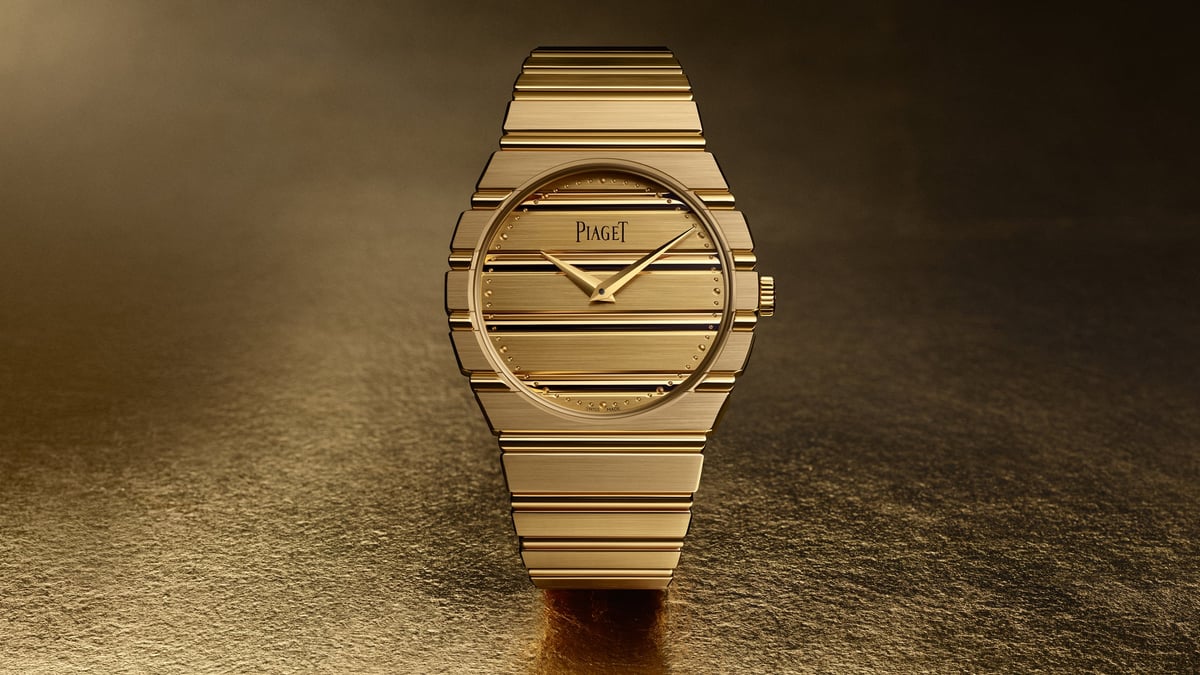
On the wrist, the Piaget Polo Skeleton is a revelation. The 42mm case wears surprisingly compact thanks to the ultra-thin profile—just 6.5mm thick. It slides effortlessly under a dress shirt cuff, yet the cushion shape gives it a distinct presence. The rose gold case has a warm, almost liquid sheen, and the weight is substantial enough to feel luxurious without being cumbersome. The alligator strap is supple from day one, and the deployant clasp secures the watch with a satisfying click. The skeletonized dial creates a play of light and shadow that changes with every angle, making the watch feel alive. It’s not a tool watch; it’s a piece of jewelry that happens to tell time. For daily wear, it requires a certain level of care—30m water resistance means no swimming—but for the collector who rotates between a Royal Oak and a Calatrava, the Polo Skeleton fits perfectly as the dressy-casual option. The balance is excellent, and the thinness means it never snags on clothing. It’s the kind of watch you forget you’re wearing—until you catch a glimpse of the movement and remember why you bought it.
Accuracy
While not COSC-certified, the Caliber 1200S typically performs within -4 to +6 seconds per day in real-world conditions. The ultra-thin construction can be sensitive to extreme temperature changes, but under normal wear, it maintains excellent timekeeping. For a skeleton watch where aesthetics are paramount, this level of accuracy is more than acceptable. Expect to lose or gain a few seconds daily, but nothing that would disrupt your schedule. If you’re a stickler for precision, a quick regulation at a Piaget service center will bring it to near-chronometer standards.
Occasions
The Piaget Polo Skeleton is versatile within its limits. It shines at formal events—black-tie galas, weddings, opera premieres—where its thin profile and skeletonized beauty can be appreciated. It also works as a daily dress watch for the office or a dinner date. For travel, it’s a great companion for city trips where you won’t be swimming or hiking. Avoid wearing it to the beach, gym, or any activity involving water. It’s a watch for the refined moments in life.
Wrist Presence
4/5 – The Piaget Polo Skeleton commands attention without shouting. Its openworked dial and rose gold case catch the light in a way that draws the eye, but the thin profile keeps it from being ostentatious. It’s a watch that will be noticed by those in the know—a subtle flex that speaks volumes about the wearer’s taste. On a crowded wrist, it stands out as a piece of art rather than a tool.
Reference Variants
- G0A47015 – White gold case, same skeleton dial, alligator strap. A cooler, more contemporary alternative.
- G0A47016 – Rose gold case with diamond-set bezel (60 brilliant-cut diamonds). Adds high-jewelry flair.
Family References
- Piaget Polo S (steel, ref. G0A45001)
- Piaget Polo Chronograph (ref. G0A44001)
- Piaget Polo Date (ref. G0A43001)
Other Notable Piaget Models
- Piaget Altiplano Ultimate Concept (world’s thinnest mechanical watch)
- Piaget Limelight Gala (iconic jewelry watch)
- Piaget Possession (rotating ring design)
Similar Watches
- Patek Philippe Calatrava Skeleton (ref. 5180/1R) – Another ultra-thin skeleton in rose gold, but with a round case and a more traditional aesthetic.
- Vacheron Constantin Overseas Skeleton (ref. 4300V/120G-B945) – A sportier take on the skeleton concept with an integrated bracelet and 150m water resistance.
- Bulgari Octo Finissimo Skeleton (ref. 103089) – The thinnest skeleton watch on the market, with a titanium case and a more industrial design.
Homages
None. The Piaget Polo Skeleton is a unique design that has not been widely copied by homage brands due to the complexity of the ultra-thin skeleton movement.
Investment Value
MSRP: $55,000
Current Retail: $55,000
Pre-Owned Range: $30,000–$45,000
Trend: Depreciating
Hold Recommendation: The Piaget Polo Skeleton is not a strong investment piece; it loses value significantly after purchase. However, for the collector who values artistry and exclusivity, it offers immense personal satisfaction. Buy it because you love it, not because you expect a return.
Auction History: No major auction history. Rarely appears at auction, and when it does, it typically sells below retail.
Service Interval
Interval: Every 5 years
Approximate Cost: $800
Authorized Only: Yes – the ultra-thin movement requires specialized expertise.
Notes: Piaget has service centers in major cities worldwide. Expect a turnaround time of 4–6 weeks.
Pros and Cons
Pros
- Ultra-thin profile (6.5mm) makes it incredibly comfortable
- Exquisite skeleton movement with hand-finishing
- Distinctive cushion-shaped case with strong brand heritage
Cons
- 30m water resistance limits daily wear
- High retail price with significant depreciation
- Not COSC-certified, accuracy is adequate but not exceptional
Final Verdict
The Piaget Polo Skeleton ref. G0A47014 is a masterpiece of horological art that prioritizes beauty over brawn. It’s not for everyone—the low water resistance and high price tag will deter many. But for the collector who appreciates ultra-thin movements, skeletonization, and the quiet luxury of a brand that doesn’t need to shout, this watch is a triumph. Wear it with a linen suit at a summer gala, or with a cashmere sweater at a private dinner. It will never feel out of place, and it will always spark conversation among those who know.