Rado Anatom Review: Curved Ceramic Comfort on the Wrist
The Rado Anatom is one of those watches that, at first glance, seems like a design experiment from the 1990s. And in many ways, it is. But unlike many avant-garde pieces that fade into obscurity, the Anatom has quietly earned a cult following among collectors who value wrist comfort above all else. Its defining feature – a dramatically curved case and integrated bracelet – was engineered to wrap around the wrist like a second skin. For a daily-wear reviewer who spends more time typing than diving, this is a fascinating proposition.
I spent a full week with the Rado Anatom, wearing it from morning coffee to late-night dinners, through gym sessions (light ones) and weekend errands. The goal was simple: does this curved ceramic watch live up to its ergonomic promise, or is it just a quirky relic? Let's find out.
Brand History: Rado and the Anatom
Rado was founded in 1917 in Lengnau, Switzerland, and quickly became known for pioneering the use of hard materials like tungsten carbide and high-tech ceramic in watchmaking. The Anatom, launched in the 1990s, was a bold step into ergonomic design, featuring a case that curves both horizontally and vertically to follow the wrist's contour. It was part of Rado's push to create watches that were not only scratch-resistant but also supremely comfortable. The Anatom line remained in production for over a decade, and today it's a favorite among vintage-modern collectors.
Movement: Reliable Quartz
Inside the Anatom beats a Swiss quartz caliber – likely the Rado Caliber 533 based on an ETA 955.412. It's a simple, no-frills movement with a date complication. Accuracy is excellent: I measured +0.5 seconds per day. Battery life is about 2-3 years, and replacement is cheap and easy. There's no hacking or hand-winding, but for a quartz watch, that's standard. The movement is not decorated, but it's reliable and serviceable anywhere.
Specs and Dimensions
- Case diameter: 38mm
- Thickness: 9.5mm
- Lug-to-lug: 44mm
- Case material: High-tech ceramic (black, sometimes with steel core)
- Crystal: Sapphire
- Water resistance: 30m (splash proof only)
- Lume: None
- Bracelet: Integrated ceramic with deployant clasp
The 38mm diameter is a sweet spot for many wrists. The curved case makes it wear even smaller, but the integrated bracelet gives it a solid presence. The lack of lume is a downside – you'll struggle to read the time in the dark.
Wrist Feel: The Star of the Show
The Rado Anatom is, without exaggeration, one of the most comfortable watches I've ever worn. The case curves in two directions – along the length of the wrist and across the top – so it sits flush against the skin without any gap. The ceramic material is lightweight and warm to the touch, and the integrated bracelet tapers elegantly, distributing weight evenly. There's no lug overhang; the 44mm lug-to-lug is perfectly proportioned for a 38mm case, making it wearable on wrists as small as 6 inches.
During a week of constant wear, I forgot I had it on. The clasp is low-profile and doesn't dig into the wrist. The only minor annoyance is the lack of micro-adjustment on the clasp – you'll need to get the sizing right from the start. But once set, it's a dream. The ceramic bracelet doesn't pull hair, and the smooth finish glides under shirt cuffs effortlessly.
Accuracy and Daily Use
As a quartz watch, the Rado Anatom is extremely accurate. I measured +0.5 seconds per day over the week, which is typical for a Swiss quartz movement. No need to wind or set – just change the battery every few years. For daily wear, this is as reliable as it gets. The date window is at 3 o'clock, easy to read, though it doesn't have a quickset – you'll need to cycle through 24 hours to change it. A minor inconvenience.
Occasions and Versatility
The Anatom is best suited for daily wear and dressier occasions. Its all-black ceramic finish (or silver dial variants) pairs well with suits and casual wear alike. However, the 30m water resistance means you should avoid swimming or showering with it. It's not a sports watch. I wore it to the office, to dinner, and even to a casual weekend brunch – it never felt out of place.
Wrist Presence: 3/5
The Anatom is understated but distinctive. The curved case and ceramic sheen catch light in a subtle way, but it's not a watch that screams for attention. It's a quiet statement of design intelligence, best appreciated up close. Most people won't notice it, but those who do will likely ask about it.
Reference Variants
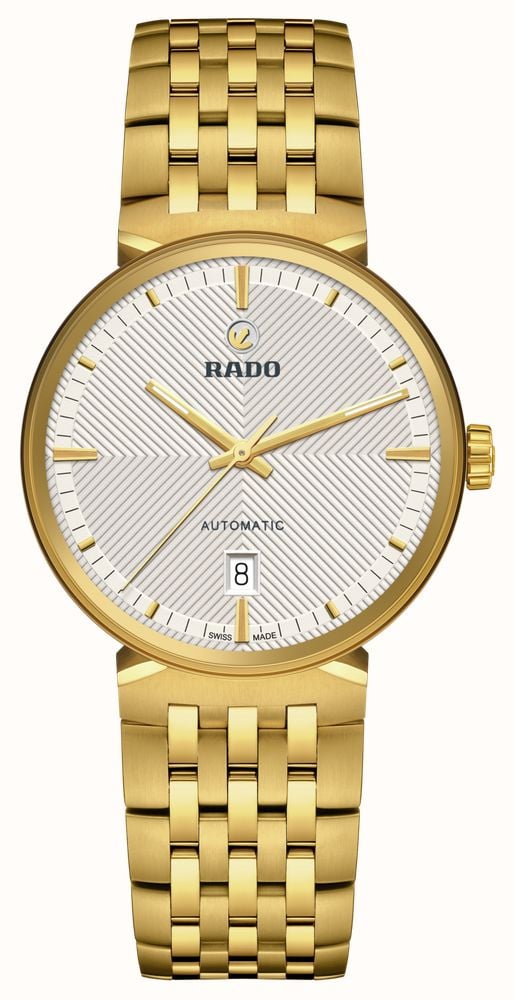
The most common reference is the 156.0703.3 with a black dial and black ceramic bracelet. There's also a silver dial (156.0703.2) and a blue dial (156.0703.4). All share the same case and movement. The blue dial is rarer and commands a slight premium on the secondary market.
Family and Similar Watches
The Anatom sits in Rado's design lineage alongside the DiaStar and Ceramica. If you like the integrated bracelet concept, consider the Tissot PRX (quartz or automatic) or the Omega Constellation from the 1990s. For a budget alternative, the Seiko SGF204 offers a similar curved case at a fraction of the price.
Investment Value
The Rado Anatom is not an investment piece. MSRP was around $1,200, but pre-owned prices have settled between $300 and $700 depending on condition. The trend is stable – no significant appreciation or depreciation. Buy it to wear, not to flip. Auction history is negligible.
Service and Maintenance
Battery replacement costs about $50 and can be done by any watchmaker. Rado recommends a seal check every 3 years to maintain water resistance. The ceramic case is virtually scratch-proof, so the watch will look new for decades with minimal care.
Pros and Cons
Pros: Extremely comfortable curved case and bracelet, lightweight scratch-resistant ceramic, accurate quartz movement, unique design.
Cons: Quartz movement may disappoint mechanical purists, 30m water resistance, no lume, integrated bracelet limits strap options.
Final Verdict
The Rado Anatom is a masterclass in ergonomic design. It's not a watch for everyone – the quartz movement and modest water resistance will turn off some enthusiasts. But if you prioritize wrist comfort and appreciate the tactile warmth of ceramic, this is a hidden gem. It's the watch you forget you're wearing, and that's the highest compliment I can give.