Yves Saint Laurent Opium Pour Homme Collector Edition
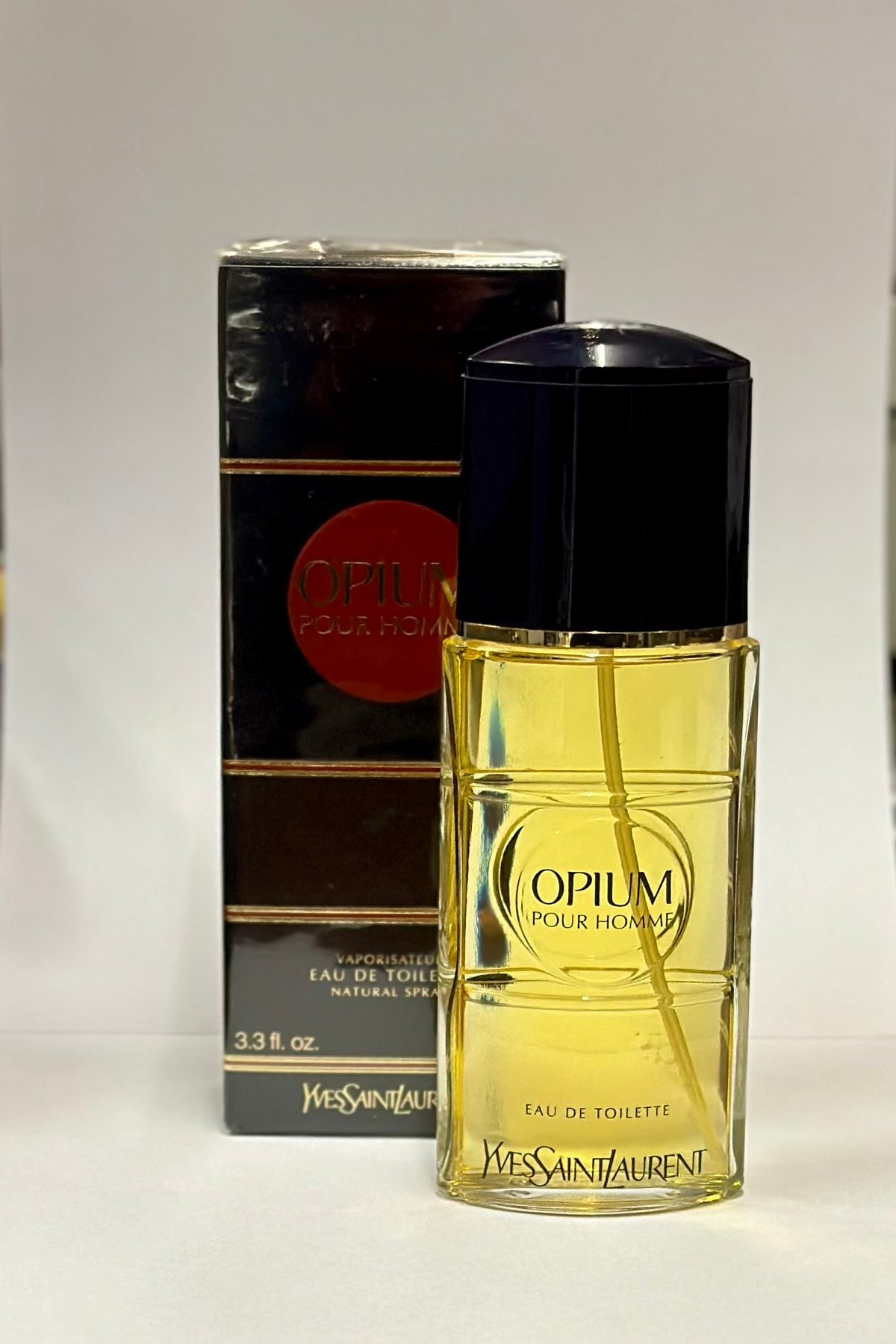
The name 'Opium' is not merely a label; it is a manifesto. Since its incendiary 1977 debut for women, the Opium line has represented the pinnacle of the daring, voluptuous Oriental genre. In 1995, Yves Saint Laurent, under the masterful hand of perfumer Jacques Cavallier Belletrud, extended this opulent universe to the masculine domain with Opium Pour Homme. This review concerns the various 'Collector's Edition' iterations (notably 2008, 2013, 2014, 2015), which are primarily distinguished by their exquisite, often lacquered, flacon designs rather than a reformulation of the juice within. These editions enshrine a scent that remains a benchmark of 1990s perfumery: a bold, spicy-woody oriental that rejects subtlety in favor of a warm, enveloping, and deeply sophisticated character.
To analyze Opium Pour Homme is to analyze a specific moment in olfactory history—a time when men's fragrance dared to be unapologetically rich, complex, and seductive. It moves beyond fresh aquatics into a territory of warmth and mystery. The Collector's Editions serve as physical testaments to the fragrance's enduring cult status, celebrating a formula that masterfully intertwines the licorice-like sharpness of star anise with the creamy, resinous depth of vanilla and balsam. It is a fragrance of chiaroscuro, painting a portrait of light and shadow on the skin.
As a Fragrance Analyst, I approach this composition not as a mere consumer product, but as an olfactory text. Its structure, its choice of notes—particularly the then-novel use of galanga (a relative of ginger)—and its place within the YSL canon offer a rich field for scholarly dissection. This review will deconstruct its anatomy, heritage, and the precise sensory journey it offers.
Longevity
0.0
Projection
0.0
Sillage
0.0
Varies widely by edition and availability
Accords
Oriental
Spicy
Woody
Vanilla
Amber
Fruity
Soft Spicy
Warm Spicy
Anise
Powdery
Notes Pyramid
Top
Star AniseBlack Currant
Heart
PepperGalanga
Base
Bourbon VanillaTolu BalsamAtlas Cedar
Performance Dashboard
⏱️ Longevity
7-10+ hours
📢 Projection
Strong initial projection that becomes more intimate after the mid-stage. It is not an overwhelming room-filler, but its presence is confidently felt in personal space.
💨 Sillage
Moderate. It creates a noticeable aura for the first 3-4 hours before settling closer to the skin as a personal scent bubble.
When to Wear
🌸SpringOK
☀️SummerAvoid
🍂FallBest
❄️WinterBest
📌 Evening Wear🎩 Formal Events📌 Intimate Gatherings📌 Cold Weather Leisure
Pros & Cons
- ✅ Unique and sophisticated scent profile
- ✅ Excellent longevity and quality materials
- ✅ Timeless, classic masculine design
- ✅ Warm, comforting dry-down
- ❌ Can be too bold or dated for some modern tastes
- ❌ Not suitable for hot weather or office environments (if over-applied)
- ❌ Star anise top note may be polarizing
Price & Value
Varies widely by edition and availability
“For devotees of classic orientals, the value is high given its compositional integrity and performance. On the secondary market, Collector's Editions command a premium for packaging, not juice.”
📜 Reformulation History
No significant batch variations reported for the core EDP/EDT formula within the Collector Edition runs. The primary variable is the decorative bottle, not the fragrance concentrate.
The Family
Opium Pour Homme Eau de Parfum
Yves Saint Laurent
Opium Pour Homme Eau d'Orient
Yves Saint Laurent
Opium Pour Homme Collector's Edition 2008
Opium Pour Homme Collector's Edition 2013
Opium Pour Homme Collector's Edition 2014
Opium Pour Homme Collector's Edition 2015
Explore More
🔍 Similar Fragrances
💡 Clone Alternatives
No direct, high-quality clones of this specific profile are widely recognized.
❤️ You May Also Enjoy
🧪 Layering Ideas
- Layer with a clean, ambery skin scent (e.g., Molecule 01) to amplify its woody base.
- A light touch of a citrus-forward cologne (e.g., Atelier Cologne Orange Sanguine) on pulse points can brighten the opening.
🏆 Final Verdict
Yves Saint Laurent Opium Pour Homme, in its Collector Edition guises, is far more than a limited bottle; it is the preservation of an olfactory masterpiece. Jacques Cavallier Belletrud's composition is a scholarly study in contrast: the sharp against the soft, the spicy against the sweet, the transient against the eternal. It remains a definitive, bravely opulent oriental for men—a scent for those who communicate in whispers of vanilla, anise, and cedar, rather than shouts. A necessary reference in any comprehensive understanding of late-20th-century perfumery.
More fragrances we love
Sponsored picks

Also worth your attention: watches
Sponsored picks
You may also like
Yves Saint LaurentOpium Pour HommeOrientalSpicyVanillaCollector EditionJacques Cavallier Belletrud