Acqua di Parma Fragrance review
Acqua di Parma Profumo 2008 Review: A Scholarly Analysis
François Demachy's masterful chypre-floral for the discerning connoisseur

In this review
Acqua di Parma Profumo, launched in 2008, represents a bold departure from the house's signature citrus cologne heritage. While the brand is synonymous with the sun-drenched simplicity of Colonia, Profumo delves into the shadowy, resinous depths of a classic chypre. This is not a fragrance for the faint of heart; it is a statement of refined taste, a homage to the grand floral-aldehydic tradition of the mid-20th century, reinterpreted through a modern lens.
Created by the esteemed François Demachy, then the in-house perfumer at Dior, Profumo is a study in contrasts: luminous top notes give way to a dark, mossy base, while a bouquet of white and yellow flowers is anchored by amber and labdanum. The Parfum concentration, the subject of this review, amplifies every facet, offering a richer, more intimate experience than the Eau de Parfum. It is a fragrance that demands attention, yet rewards patience with an evolving narrative that unfolds over hours.
In the context of Acqua di Parma's portfolio, Profumo stands as an outlier—a sophisticated, almost brooding composition that challenges the house's sunny reputation. It is a fragrance for the evening, for autumn leaves, for the quiet confidence of a woman who knows her own mind. This review will dissect its accords, notes, and performance, placing it within the broader landscape of luxury perfumery.
Accords
Notes Pyramid
Scent Journey
The first spray is a burst of radiant ylang-ylang, its tropical, slightly green sweetness tempered by the sharp, citrusy sparkle of bergamot. Peony adds a watery, petal-like freshness that lifts the composition, creating an initial impression of luminous, almost aldehydic florals. This phase lasts about 15–30 minutes, setting the stage for the heart.
As the top notes recede, the heart reveals a lush, opulent floral core. Jasmine sambac lends a heady, indolic richness, while rose absolute provides a velvety, honeyed depth. French labdanum introduces a leathery, ambered warmth, and the amber itself begins to emerge—a sweet, resinous glow that binds the florals together. This phase is the fragrance's emotional center, lasting 1–2 hours, and is where the chypre structure becomes apparent.
The base is a masterclass in classic chypre construction. Oakmoss provides a dry, earthy, slightly bitter foundation, while patchouli adds a dark, woody complexity. Sandalwood offers a creamy, milky smoothness, vetiver contributes a smoky, rooty edge, and musk ties everything together with a soft, animalic warmth. The drydown is long-lasting, evolving over 4–6 hours into a skin-hugging, intimate scent that retains its elegance.
Performance Dashboard
6–8 hours on skin, with a subtle presence lingering on clothing for up to 12 hours. The Parfum concentration ensures a slower evaporation rate, making it a reliable choice for full-day wear.
Moderate projection, projecting about 1–2 feet initially. After the heart notes fade, it becomes a close-to-skin scent, ideal for intimate settings.
Moderate sillage—noticeable within an arm's length for the first two hours, then settling into a more personal aura. It does not announce itself loudly but leaves a memorable trail.
When to Wear
Pros & Cons
- Exceptional longevity and moderate sillage for a chypre
- Rich, complex composition that evolves beautifully
- High-quality natural ingredients (ylang-ylang, jasmine, oakmoss)
- Timeless elegance suitable for formal occasions
- Parfum concentration offers a more intimate, luxurious experience
- May feel dated or heavy to those accustomed to modern fresh scents
- Oakmoss and patchouli can be polarizing
- Price point is high ($150–$250 for 100ml)
- Limited versatility—best for cooler weather and evening wear
Price & Value
“Good value for those who appreciate classic chypre perfumery, but a significant investment for casual wear.”
Reformulation History
No significant batch variations reported; the formula has remained consistent since its 2008 launch.
Who It's For
Ideal For
- Women who appreciate classic chypre and floral-aldehydic fragrances
- Connoisseurs of vintage-style perfumery
- Those seeking a sophisticated, non-gourmand amber-floral
- Mature audiences (30+) who value elegance over trendiness
Not Recommended For
- Fans of light, aquatic, or fruity scents
- Those who dislike strong oakmoss or patchouli
- Younger wearers seeking a playful or sweet signature
- Individuals sensitive to strong florals or animalic notes
Explore More
Similar Fragrances
 Dune
Dior
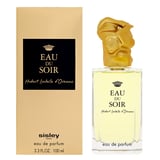 Eau du Soir
Sisley
 Lyric Woman
Amouage
 Miss Dior
Dior
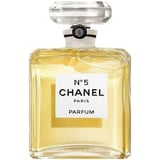 Chanel No 5 Parfum
Chanel
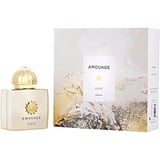 Gold Woman
Amouage
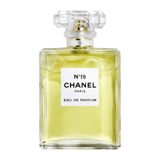 Chanel N°19
Chanel
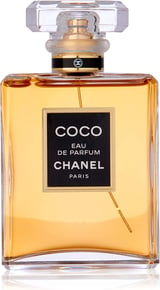 Coco Eau de Parfum
Chanel
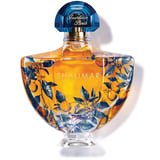 Shalimar Eau de Parfum
Guerlain
 Vol de Nuit
Guerlain
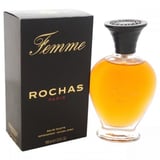 Femme Rochas
Rochas
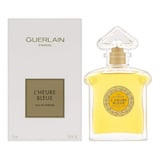 L'Heure Bleue Eau de Parfum
Guerlain
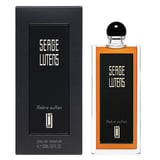 Ambre Sultan
Serge Lutens
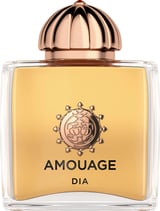 Dia Woman
Amouage
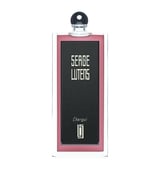 Chergui
Serge Lutens
You May Also Enjoy
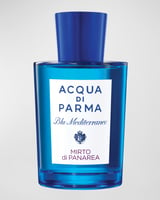 Mirto di Panarea Eau de Toilette
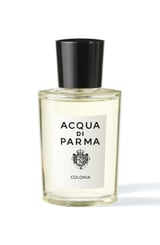 Colonia (1916)
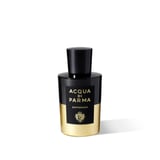 Signatures of the Sun Collection
 Blu Mediterraneo line (e.g., Fico di Amalfi)
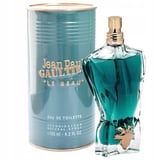 Colonia
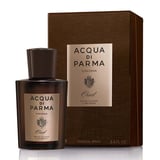 Colonia Oud
Layering Ideas
- Layer with a simple vanilla or tonka bean body oil to soften the oakmoss and add a touch of sweetness.
- Combine with Acqua di Parma Colonia for a citrusy top lift that modernizes the chypre base.
- Use a musk-based lotion to enhance the base's animalic warmth without altering the floral heart.