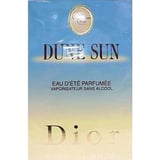
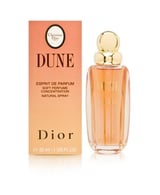
Dior Dune (Original EDT/EDP)
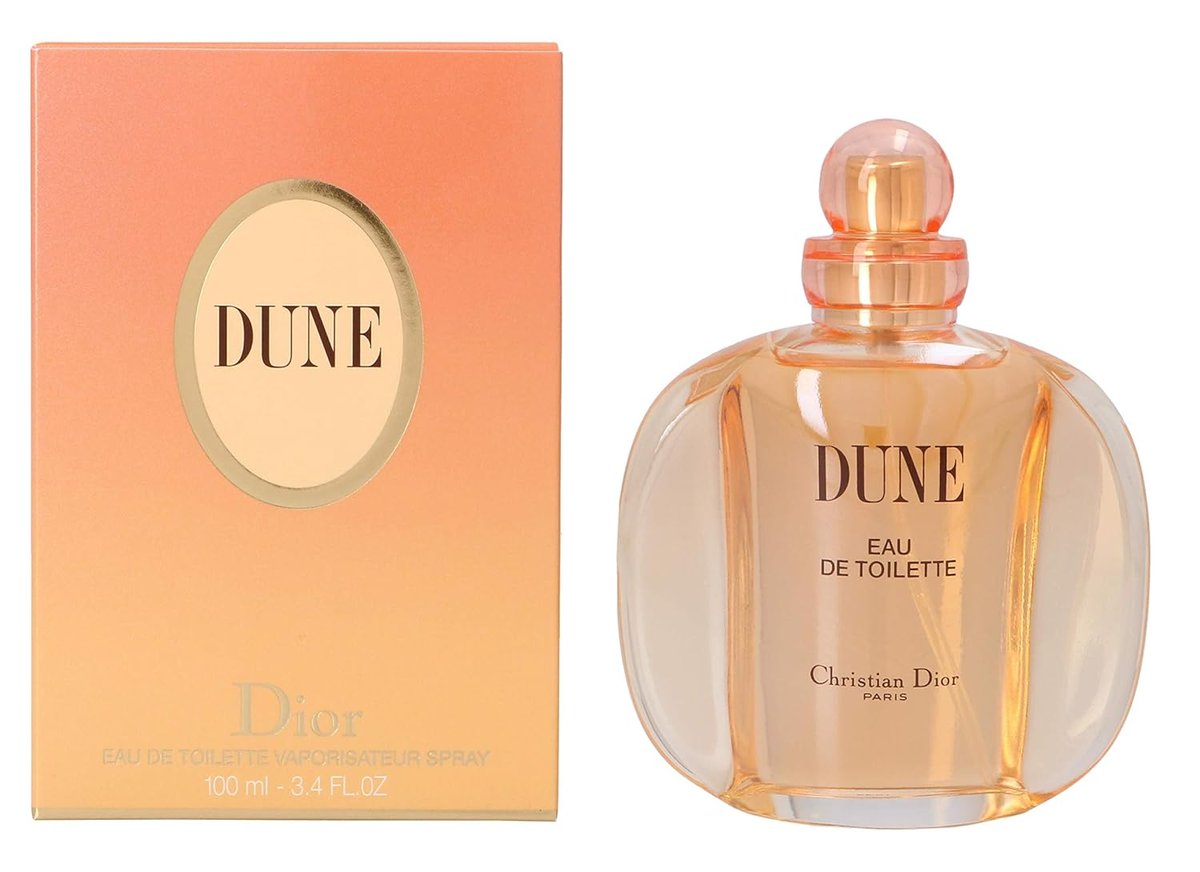
Dior Dune: The Desert Mirage of Modern Perfumery

A scholarly dissection of the 1991 woody-amber masterpiece that redefined femininity with its abstract, mineral elegance.

By Dr. Laurent Beaumont, Fragrance Analyst & Historian · · Updated

Laurent holds a PhD in olfactory chemistry from Université de Versailles. He writes about composition, materials sourcing, and the lineage of perfumery houses.

In the annals of perfumery, few fragrances capture the spirit of an era as poignantly as Dior Dune. Launched in 1991, it arrived at a cultural inflection point—the excess of the 1980s was giving way to a more introspective, naturalistic aesthetic. Dune eschewed the loud, shoulder-pad florals and syrupy orientals that dominated the previous decade, offering instead a scent that was abstract, mineral, and hauntingly serene. It was not a perfume that shouted; it whispered of distant horizons, warm sands, and the cool breath of an oasis at dusk. Over three decades later, Dune remains a touchstone of artistic perfumery, a composition that challenges the wearer to find beauty in the unconventional. Dune’s genesis lies in the creative ferment of the late 1980s, when Dior sought to reinvent its feminine fragrance portfolio. The house had already made history with Miss Dior and Poison, but the market was shifting. Jean-Louis Sieuzac, who had recently revolutionized men’s fragrance with Fahrenheit, was tasked with creating a women’s scent that would be equally groundbreaking. He envisioned a perfume that smelled of ‘the desert at dawn’—a place of stark contrasts, where cool aldehydes meet warm, resinous woods. To realize this vision, he enlisted the talents of Nejla Barbir and Dominique Ropion, who helped shape the composition into a seamless, multi-faceted whole. The result was Dune, a fragrance that defied easy categorization and became an instant classic. What makes Dune so remarkable is its ability to evoke a landscape without resorting to literal interpretation. There is no ‘sand’ note, no obvious cactus flower; instead, the perfumers used a masterful interplay of dry woods, balsamic resins, and airy aldehydes to create an olfactory illusion. The scent is at once warm and cool, sweet and dry, floral and mineral. It is this tension that gives Dune its enduring allure, making it as relevant today as it was in 1991. In this review, we will explore the composition in depth, tracing its evolution from the first sparkling spritz to the final, skin-hugging drydown, and examine its place in the pantheon of great perfumes.
4.0 Overall
Longevity
0.0
Projection
0.0
Sillage
0.0
$20 - $150
🌸Spring☀️Summer🍂Fall❄️Winter

Accords

woody amber balsamic warm spicy powdery citrus sweet white floral floral aldehydic

Notes Pyramid

Top
Brazilian RosewoodAldehydesMandarin OrangeBergamotPeony
Heart
LilyYlang-YlangWallflowerJasmineRose
Base
AmberSandalwoodBenzoinOakmossVanillaPatchouliMusk

Performance Dashboard

⏱️ Longevity

6-8 hours

📢 Projection

Moderate; it projects politely for the first 2-3 hours before settling into a more intimate skin scent.

💨 Sillage

Moderate; Dune creates a subtle but noticeable aura around the wearer, never overwhelming.

When to Wear

🌸SpringOK
☀️SummerBest
🍂FallBest
❄️WinterBest
📌 day wear💼 office🎩 formal events🌙 evening

Community Verdict

⭐ Overall
4.0
⏱️ Longevity
4.0
💨 Sillage
3.8
💰 Value
4.1
💌 Compliment Factor 0.0/5

7/10. Dune is not a compliment magnet in the conventional sense; it does not scream for attention. However, those who notice it are often intrigued and compelled to ask what it is. Its uniqueness makes it memorable, and it tends to draw thoughtful, appreciative comments rather than casual praise.

Pros & Cons

  • ✅ A masterpiece of abstract, artistic perfumery
  • ✅ Unique mineral-woody character unlike any other mainstream fragrance
  • ✅ Excellent versatility across seasons and occasions
  • ✅ Good longevity with a refined, non-intrusive presence
  • ✅ Affordable price point for a designer classic
  • ❌ Polarizing; the aldehydic-mineral accord can be challenging for some
  • ❌ Moderate projection may disappoint those seeking a stronger statement
  • ❌ Reformulations have softened the oakmoss and depth of the vintage version

Price & Value

$20 - $150

“Exceptional value. A 100ml EDT can often be found for under $50, making this iconic piece of perfume history accessible to all. Even the higher-end concentrations offer a fair price for the artistry involved.”

📜 Reformulation History

Significant batch variations exist, primarily between the original 1991 formulation and post-IFRA reformulations. Vintage Dune (recognizable by its deeper amber juice and ‘Esprit de Parfum’ concentration) features a richer, more pronounced oakmoss and a denser, more complex base. Modern versions are lighter, with a more transparent floral heart and a softer, less animalic drydown. Collectors often seek out early bottles for their superior depth and longevity.

The Family
Explore More

🔍 Similar Fragrances

❤️ You May Also Enjoy

Serge Lutens Feminité du Bois
L'Artisan Parfumeur Passage d'Enfer
Hermès Eau des Merveilles

🧪 Layering Ideas

🏆 Final Verdict

Dior Dune is a triumph of olfactory imagination, a fragrance that paints a landscape with scent. It remains as daring and relevant today as it was in 1991, a testament to the power of abstraction in perfumery. For those who seek a signature that is elegant, intellectual, and utterly unique, Dune is an essential journey.

More fragrances we love

Sponsored picks

Also worth your attention: watches

Sponsored picks
DiorDunewoody amberclassic perfume1990s fragranceJean-Louis SieuzacDominique Ropionmineral perfumedesert scentvintage perfume