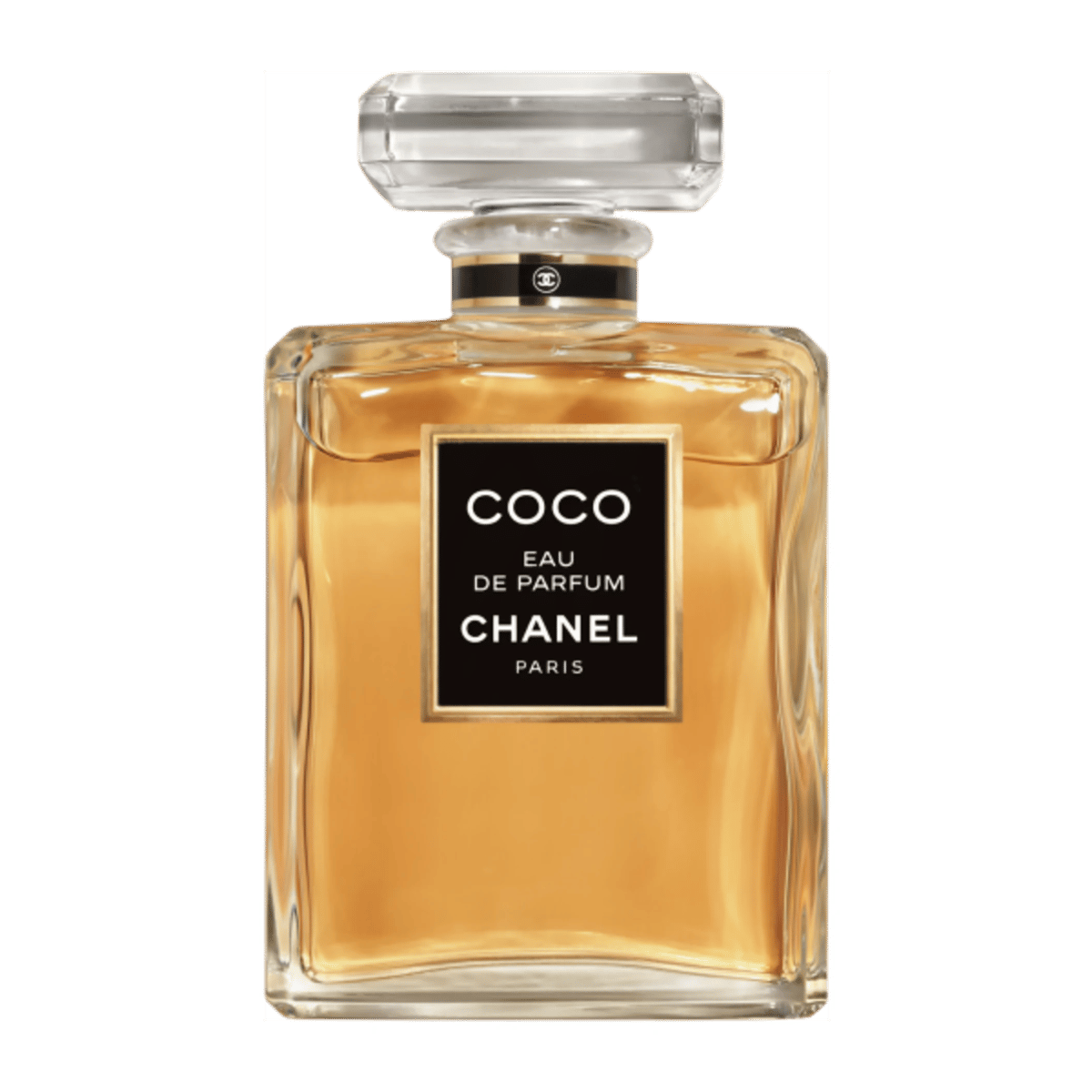
Chanel Coco
In this review
Accords
Notes Pyramid
Scent Journey
The first 0-30 minutes are a burst of spiced fruit and rose: mandarin and peach give a brief, almost candied lift before coriander and clove clamp down hard. It reads rich, slightly dusty, and unmistakably vintage in the best sense — think velvet, not sugar.
From roughly 1-2 hours, the heart takes over and Coco becomes a true floral-spice oriental. Bulgarian rose and orange blossom bloom under a heavy clove-and-mimosa veil, with a powdery, honeyed texture that recalls classic French perfumery. This is the most 'perfumey' phase and the most polarizing.
At 4+ hours and beyond, the base settles into amber, labdanum, opoponax and sandalwood, softened by tonka bean and vanilla. The animalic civet note — a synthetic reconstruction in modern batches — gives the sweetness a lived-in, skin-adjacent warmth that keeps Coco from ever turning dessert-like.
Performance Dashboard
8+ hours on skin, and often well into the next morning on fabric. Coco is a genuine all-day commitment.
Strong for the first several hours, then settles into a dense, enveloping aura close to the body.
Heavy. This is a fragrance that fills a room and leaves a trail; two to three sprays is genuinely enough.
When to Wear
Pros & Cons
- ✅ Exceptional longevity and a genuine room-filling presence
- ✅ Complex, evolving composition that rewards repeat wearings
- ✅ Timeless classic that has outlived every trend cycle it has passed through
- ✅ Excellent value per wear given the concentration and projection
- ❌ Heavy and polarizing — not a safe blind buy or office default
- ❌ The powdery clove-and-rose heart reads dated to some noses
- ❌ Modern batches are widely reported to be smoother and less animalic than vintage
- ❌ Easy to over-spray; two sprays is the practical ceiling
Price & Value
“Strong value. Per-wear cost is genuinely low, and unlike many modern releases, you are not paying luxury prices for a fragrance that disappears in three hours.”
Reformulation History
Enthusiasts widely report that older bottles — particularly pre-2010s EDP and the discontinued Parfum — feel deeper, more animalic and more resinous, with a fuller clove-and-rose opening. Modern batches are generally described as smoother, slightly sweeter and cleaner in the base, with the civet note rendered as a synthetic reconstruction rather than the animal-derived material used historically. These are community observations rather than official statements, and differences are typically gradual rather than dramatic.
Who It's For
Ideal For
- Fragrance lovers who prefer dense, spicy ambers over fresh or aquatic scents
- Anyone building a cold-weather signature with real presence
- Collectors of classic French orientals and 1980s perfumery
- Evening and occasion wearers who want one spray to do the work of five
Not Recommended For
- Those who prefer light, clean, office-safe skin scents
- People sensitive to clove, powder, or animalic warmth
- Hot-climate daily wearers who need something breathable
- Anyone who dislikes being noticed for their fragrance
The Family
 Coco Noir
Chanel
Coco Noir
Chanel
 Coco Mademoiselle
Chanel
Coco Mademoiselle
Chanel
 Coco Mademoiselle l'Eau Privée
Chanel
Coco Mademoiselle l'Eau Privée
Chanel
Explore More
Similar Fragrances
Coco Noir
Chanel
 Ysatis
Givenchy
Ysatis
Givenchy
 Shalimar
Guerlain
Shalimar
Guerlain
Clone Alternatives
You May Also Enjoy
Shalimar
Guerlain
 No 5
No 5
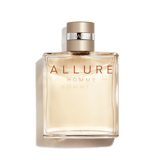 Allure Homme Eau de Toilette
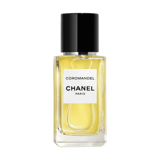 Coromandel (Les Exclusifs de Chanel)
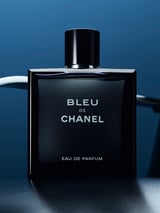 Blue de Chanel Eau de Parfum
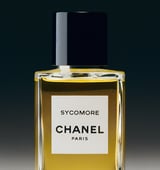 Sycomore EDP
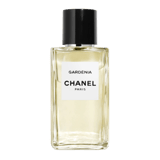 Gardenia (Les Exclusifs de Chanel)
Layering Ideas
- Layer a single spray of Coco over an unscented vanilla or tonka body cream to soften the clove and lengthen the amber drydown.
- Pair with a rose-forward hair mist or rose soliflore in the same family to amplify the Bulgarian rose heart without adding sweetness.
- For a colder, more modern read, combine one spray of Coco with one spray of a dry sandalwood or vetiver fragrance — the woody base bridges them cleanly.
- Avoid layering with fresh aquatics or citrus-forward colognes; Coco's density will simply swallow them.