Diptyque Fragrance review
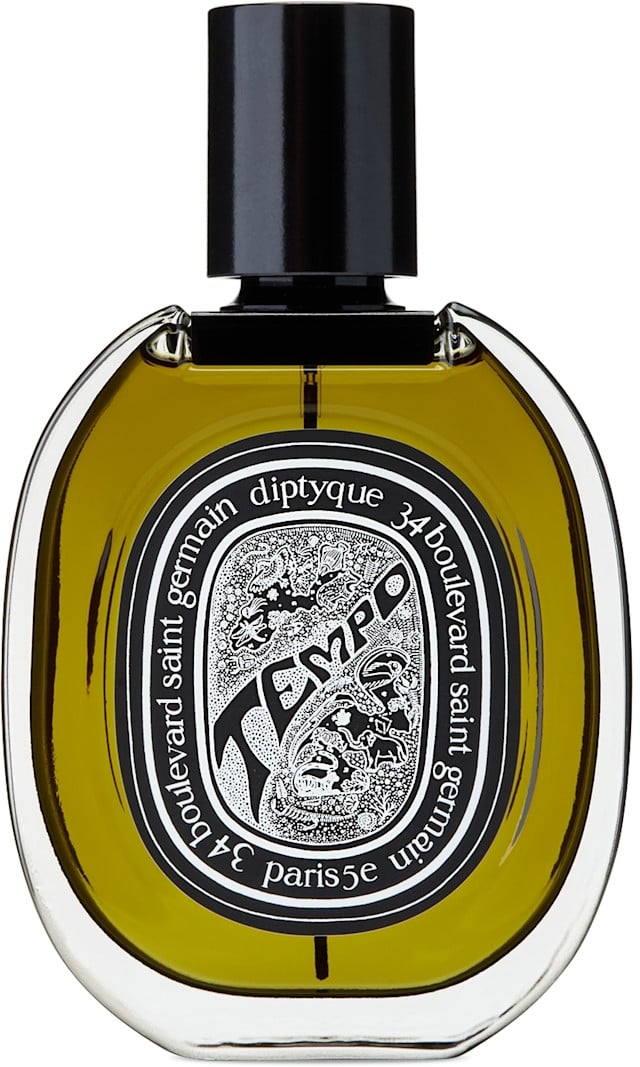
Diptyque Tempo Eau de Parfum — Diptyque Tempo Review: A Patchouli in Three Movements
Olivier Pescheux's 2018 meditation on patchouli — earthy, green, and quietly luminous.
In this review
Accords
Notes Pyramid
Scent Journey
The first thirty minutes are drier and brighter than the patchouli billing suggests. Bergamot arrives with its usual bitter-clean citrus edge, sharpened by a pink pepper that reads more as texture than as heat — a fine, peppery static rather than a spice. Almost immediately the patchouli rises beneath it, but in its most translucent register: woody, faintly camphoraceous, with a green shimmer that keeps the composition from ever feeling heavy.
Between roughly one and two hours the fragrance turns herbal. Clary sage contributes a tea-like, slightly ambery grassiness, while mate absolute — the note that gives Tempo much of its personality — introduces a bitter, hay-and-tobacco nuance that reads almost like a green tea infusion. Violet leaf supplies the cool, dewy, faintly metallic-cucumber facet that accounts for the ozonic accord in the profile, lending the heart an unexpected freshness.
From four hours onward Tempo settles into its base: patchouli in its earthier, woodier aspect, softened rather than sweetened, with a balsamic warmth that rounds the edges. The camphoraceous bite recedes and what remains is a quiet, slightly dusty wood with a green residue. Projection drops noticeably here — the fragrance becomes a skin scent well before it disappears entirely, typically somewhere between the sixth and eighth hour.
Performance Dashboard
Six to eight hours on skin in most reports, with the final two to three hours sitting very close to the body. Not a marathon, but respectable for an EDP built on a relatively transparent patchouli.
Moderate for the first hour, then close-to-skin. This is a deliberate compositional choice rather than a weakness — the fragrance is designed to be worn, not announced.
Moderate. Tempo leaves a discreet trail rather than a cloud; it is noticed on entry and then largely by those who come close.
When to Wear
Pros & Cons
- A genuinely transparent, green-lit reading of patchouli that sidesteps the material's musty reputation
- The mate and clary sage heart gives the composition an unusual herbal-tea character that distinguishes it from the rose-patchouli and amber-patchouli clichés
- Quiet enough for an office and refined enough for evening wear — an unusually wide wearability envelope
- Genuinely unisex; the floral-violet and herbal facets balance the woody base without tipping either way
- Well-constructed and clearly made from quality materials, with the three-extract patchouli concept audible in the glass
- Moderate projection and a close-to-skin final third will frustrate wearers who expect an EDP to perform
- Patchouli remains the headline; those who dislike the note in any form will not be converted
- At $190 for 75 ml it sits in the upper band of the house's pricing for a composition of deliberately modest ambition
- The drydown is arguably the least interesting passage — the herbal originality of the heart fades into a fairly conventional woody-earth base
Price & Value
“Fair value within its category, poor value if measured purely by performance metrics. Tempo asks you to pay for restraint, material quality and a specific idea rather than for longevity or projection, and that is a trade the buyer should make consciously.”
Reformulation History
No significant batch variations reported. Diptyque maintains a consistent supply chain for its standard line, and Tempo has not attracted the reformulation discourse that surrounds older or more heavily regulated compositions. As with any natural-material-heavy fragrance, minor lot-to-lot variation in the patchouli oils is possible but not a documented concern among wearers.
Who It's For
Ideal For
- Confirmed patchouli lovers seeking a clean, green interpretation
- Wearers who prefer woody-earthy compositions to sweet or gourmand ones
- Anyone looking for a unisex woody scent that is genuinely office-appropriate
- Collectors of restrained, material-focused niche compositions
Not Recommended For
- Those who associate patchouli with musty, heavy 1970s styles and want nothing to do with the note
- Wearers who prioritise projection and compliment volume over subtlety
- Anyone expecting a sweet, ambery or gourmand base
- Shoppers seeking maximum novelty per dollar — Tempo is a refinement, not a surprise
Explore More
Similar Fragrances
 Coromandel
 L'Instant de Guerlain pour Homme EDP
 Psychedelique
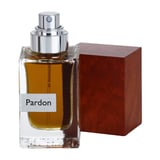 Pardon
You May Also Enjoy
 Eau Duelle
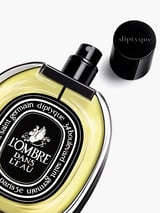 L'Ombre dans l'Eau
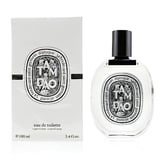 Tam Dao
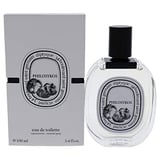 Philosykos
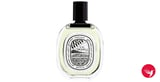 Eau Moheli
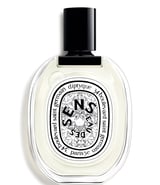 Eau de Sens
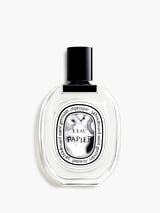 L'Eau Papier
Layering Ideas
- Layer with Diptyque Eau Rose to recreate the classic rose-patchouli accord in a lighter, greener register — the violet leaf in Tempo bridges naturally to the rose.
- Layer with Philosykos for a fig-and-earth composition; the milky green fig softens Tempo's camphoraceous edge and pushes it toward late summer.
- Layer with Eau Duelle on the wrists only, for a warm vanilla-patchouli base in cold weather — a small quantity is enough, as the vanilla will dominate the drydown.
- A single spray of a sharp citrus cologne over the top will restore the bergamot brightness of the opening later in the day without disturbing the heart.